India’s New Rural Jobs Scheme Faces Fiscal Pressure on States
NewsIndia's New Rural Jobs Scheme Faces Fiscal Pressure on States
The VB-G-RAM-G initiative aims to boost employment but raises fiscal concerns for states.
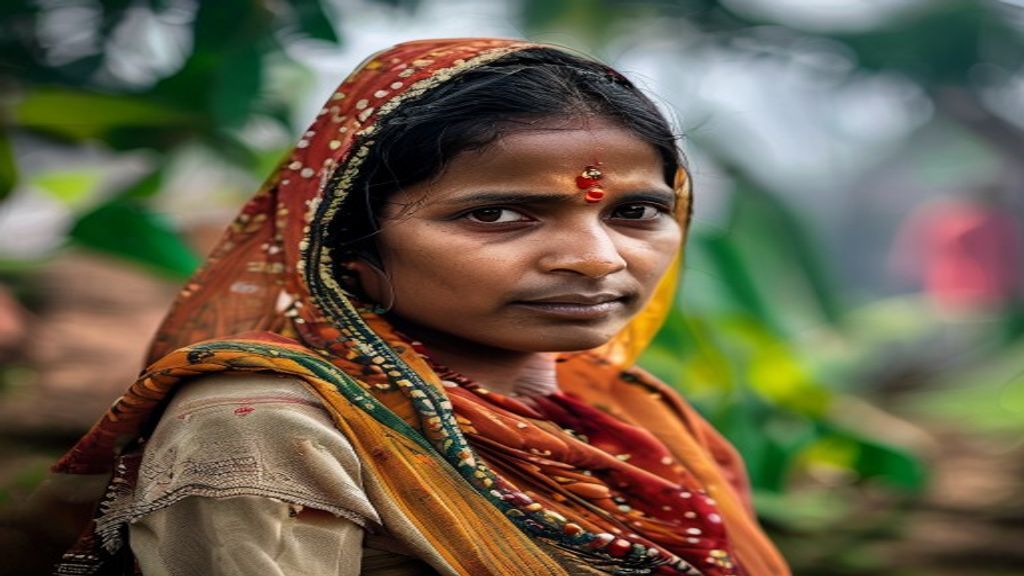
The Indian government has launched a new rural jobs scheme called VB-G-RAM-G, aimed at enhancing employment opportunities in rural areas. This initiative, announced recently, seeks to address the growing need for job creation in India's villages, particularly in the wake of economic challenges. However, experts warn that the implementation of this rural jobs scheme may place significant fiscal pressure on state governments.
Overview of the VB-G-RAM-G Initiative
The VB-G-RAM-G initiative is designed to provide sustainable employment to rural populations across India. It focuses on creating job opportunities through various projects, including infrastructure development and agricultural support. The scheme aims to empower rural communities by offering them stable income sources, thereby reducing poverty levels.
Furthermore, the government plans to allocate substantial funds to ensure the success of this rural jobs scheme. This funding will be crucial for states to implement the program effectively. However, the financial burden on state budgets raises concerns about the long-term sustainability of the initiative.
Potential Benefits of the Rural Jobs Scheme
The rural jobs scheme has the potential to transform the economic landscape of rural India. By creating job opportunities, it can lead to increased disposable income for families, which in turn stimulates local economies. Moreover, the initiative encourages skill development among rural workers, making them more employable in diverse sectors.
In addition, the VB-G-RAM-G initiative can help bridge the urban-rural divide. As rural areas receive more investment and job opportunities, migration to urban centers may decrease. This shift can alleviate some of the pressures on urban infrastructure and services.
Fiscal Challenges for State Governments
Despite the promising aspects of the rural jobs scheme, state governments are concerned about the fiscal implications. The funding required for the initiative may strain already tight budgets. Many states are grappling with financial deficits, and the additional burden of this scheme could exacerbate their fiscal challenges.
Moreover, states may need to allocate resources from other essential services, such as education and healthcare, to support the rural jobs scheme. This trade-off raises questions about the overall impact on state economies and the welfare of their citizens.
Implementation Strategies for Success
To ensure the success of the rural jobs scheme, effective implementation strategies are essential. States must develop clear plans that outline how they will utilize the allocated funds. This includes identifying priority areas for job creation and establishing partnerships with local organizations.
Furthermore, monitoring and evaluation mechanisms should be put in place to assess the impact of the scheme. Regular assessments can help identify challenges and areas for improvement, ensuring that the rural jobs scheme meets its objectives.
Stakeholder Involvement and Community Engagement
Engaging local communities and stakeholders is vital for the success of the rural jobs scheme. By involving community members in the planning and execution phases, the initiative can better address the specific needs of rural populations. This participatory approach fosters ownership and accountability, leading to more effective outcomes.
Additionally, collaboration with non-governmental organizations (NGOs) and private sector partners can enhance the scheme's reach and effectiveness. These stakeholders can provide valuable insights and resources, further strengthening the initiative's impact on rural employment.
Future Outlook for Rural Employment in India
Looking ahead, the rural jobs scheme represents a significant step towards improving employment opportunities in rural India. If implemented effectively, it can lead to lasting economic benefits for rural communities. However, addressing the fiscal pressures on state governments will be crucial for the scheme's sustainability.
As the government moves forward with the VB-G-RAM-G initiative, ongoing dialogue with state officials and stakeholders will be essential. By working together, they can navigate the challenges and maximize the potential of this rural jobs scheme, ultimately contributing to a more prosperous future for India's rural population.
Source: News Feed

