New Rural Employment Scheme Enhances Water Security Initiatives
NewsNew Rural Employment Scheme Enhances Water Security Initiatives
The VB-G RAM G initiative targets water security and climate resilience in rural areas.
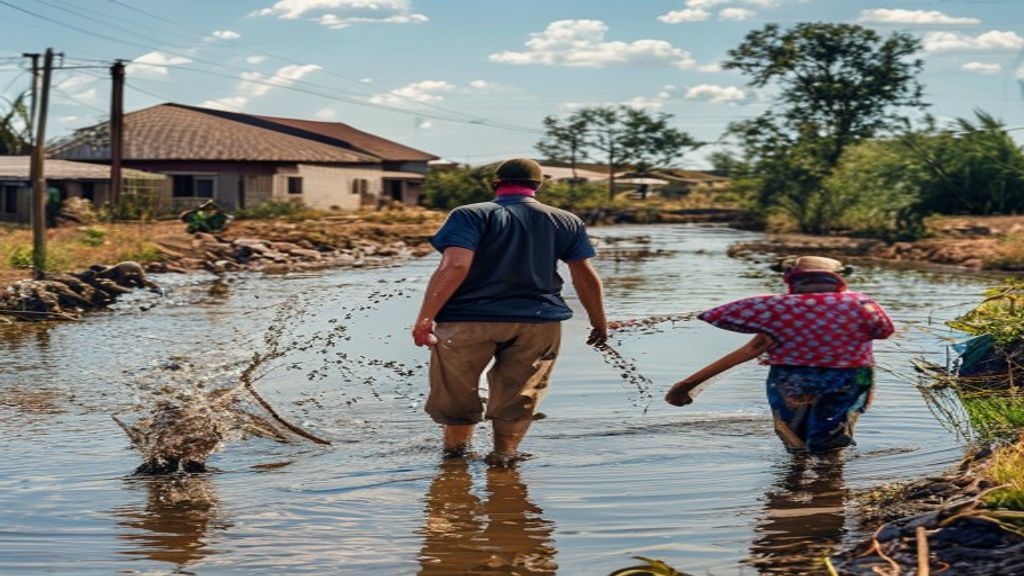
The new rural employment scheme, known as VB-G RAM G, focuses on enhancing water security and disaster mitigation efforts across rural areas. Launched to combat potential El Niño-triggered rainfall deficiencies, this initiative empowers gram panchayats to undertake essential projects aimed at disaster preparedness and addressing climate change challenges. By prioritizing water conservation, the scheme aims to generate employment while strengthening rural infrastructure.
Objectives of the Rural Employment Scheme
The primary objective of the rural employment scheme is to bolster water security in regions vulnerable to climate fluctuations. This initiative encourages local governments to implement projects that enhance water conservation and management. Furthermore, it aims to create job opportunities in rural areas, thereby improving livelihoods and fostering economic stability.
In addition to addressing immediate water security needs, the rural employment scheme also focuses on long-term disaster preparedness. By equipping communities with the tools and resources necessary to manage water resources effectively, the initiative seeks to mitigate the impacts of climate change. This proactive approach is essential for regions that frequently experience rainfall deficits.
Implementation Strategies for Water Security
To effectively implement the rural employment scheme, gram panchayats will identify and prioritize projects that enhance water security. These projects may include the construction of check dams, rainwater harvesting systems, and the restoration of traditional water bodies. As a result, communities can better manage their water resources and reduce vulnerability to climate-related disasters.
Moreover, the scheme encourages collaboration among various stakeholders, including local governments, non-governmental organizations, and community members. This collaborative approach ensures that projects are tailored to meet the specific needs of each region. By fostering partnerships, the rural employment scheme can maximize its impact on water security and employment generation.
Addressing Climate Change Challenges
The rural employment scheme also plays a crucial role in addressing the challenges posed by climate change. With increasing instances of erratic weather patterns, rural communities must adapt to these changes. The initiative provides the necessary framework for communities to develop strategies that enhance resilience against climate-related risks.
In addition, the scheme emphasizes the importance of sustainable practices in water management. By promoting eco-friendly techniques, such as rainwater harvesting and efficient irrigation methods, the rural employment scheme aims to create a more sustainable future for rural areas. This focus on sustainability not only benefits the environment but also supports the livelihoods of those who depend on agriculture.
Employment Generation through Water Security Projects
One of the significant benefits of the rural employment scheme is its potential to generate employment opportunities. By engaging local communities in water security projects, the initiative creates jobs that contribute to both economic growth and environmental sustainability. This dual focus is essential for fostering resilience in rural areas.
Furthermore, the scheme encourages skill development among participants. As individuals engage in various projects, they acquire valuable skills related to water management and conservation. These skills can lead to further employment opportunities in related fields, enhancing the overall economic prospects of rural communities.
The Role of State Governments
State governments play a vital role in the successful implementation of the rural employment scheme. They are responsible for identifying regions most affected by rainfall deficits and prioritizing projects that align with the scheme's objectives. Additionally, state governments must allocate resources effectively to ensure that projects are completed on time and within budget.
Moreover, state governments can facilitate training programs to equip local communities with the necessary skills for project implementation. By investing in human capital, states can enhance the effectiveness of the rural employment scheme and ensure its long-term success. This collaborative effort between state and local governments is crucial for achieving the scheme's goals.
Future Prospects for Rural Employment and Water Security
Looking ahead, the rural employment scheme presents significant opportunities for improving water security and generating employment in rural areas. As communities engage in projects that enhance their resilience to climate change, they will also contribute to the overall sustainability of their environments. This initiative not only addresses immediate needs but also lays the groundwork for a more secure and prosperous future.
In addition, the ongoing evaluation of the scheme's impact will be essential for refining its strategies and ensuring its effectiveness. By continuously assessing the outcomes of various projects, stakeholders can make informed decisions that enhance the scheme's overall success. The rural employment scheme represents a critical step toward achieving sustainable development in rural areas, ultimately benefiting both the environment and local economies.
Source: News Feed

