Kharge Demands Amit Shah Resignation Over Police Action Against St
NewsKharge Demands Amit Shah Resignation Over Police Action Against Students
Congress leader Kharge accuses Amit Shah of vendetta through FIRs against protesting students.
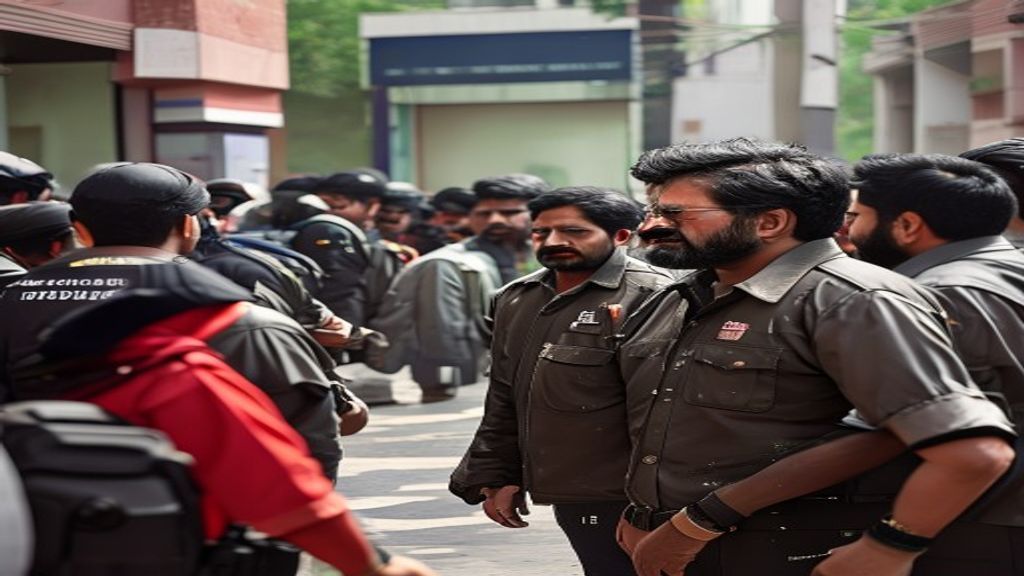
Congress leader Mallikarjun Kharge has called for the resignation of Union Home Minister Amit Shah due to recent police action against students protesting in various parts of India. This demand comes in light of the government's decision to file FIRs against students involved in peaceful demonstrations. The incidents have raised concerns about the treatment of students and the right to protest in the country.
The police action against students has sparked widespread outrage. Students across India have taken to the streets to voice their dissent against government policies. Kharge emphasized that the filing of FIRs against students is a clear act of vendetta by the government. He stated that such actions undermine democracy and the fundamental rights of citizens, particularly the youth.
Background of the Protests
The protests began in response to several controversial policies implemented by the government. Students have expressed their dissatisfaction with issues ranging from educational reforms to job opportunities. As a result, many have organized rallies and sit-ins to demand accountability and change. The police action against students has intensified the situation, leading to further unrest.
Furthermore, the government's heavy-handed approach has drawn criticism from various political leaders and human rights organizations. Many argue that the use of force against peaceful protesters is unjustifiable. The situation has escalated, prompting calls for a thorough investigation into the police's conduct during these protests.
Kharge's Accusations Against Amit Shah
Kharge's accusations against Amit Shah highlight the growing tension between the opposition and the ruling party. He claims that the government's actions are aimed at silencing dissent and instilling fear among students. By filing FIRs, the government seeks to intimidate those who dare to speak out against its policies.
In addition, Kharge pointed out that such tactics are reminiscent of authoritarian regimes. He urged the government to respect the democratic rights of citizens, particularly students who are the future of the nation. The Congress party stands firmly against any form of repression and will continue to support the students in their fight for justice.
Impact on Student Activism
The police action against students has significant implications for student activism in India. Many young people are now questioning the effectiveness of peaceful protests in the face of government repression. This situation may lead to a shift in tactics among student groups, potentially resulting in more radical forms of protest.
Moreover, the fear of police action could deter students from participating in future demonstrations. However, many activists remain resolute, believing that their voices must be heard. The current climate may also galvanize support from other sectors of society, uniting various groups against perceived injustices.
Government's Response to Protests
The government's response to the protests has been characterized by a mix of denial and deflection. Officials have claimed that the police action is necessary to maintain law and order. However, critics argue that this justification fails to address the underlying issues driving the protests.
Additionally, the government has attempted to portray the protests as the work of a few disgruntled individuals rather than a widespread movement. This narrative seeks to undermine the legitimacy of the students' grievances. As a result, many believe that the government is more focused on maintaining its image than addressing the concerns of the youth.
The Role of Social Media
Social media has played a crucial role in mobilizing support for the students. Platforms like Twitter and Facebook have allowed activists to share their experiences and organize protests more effectively. This digital landscape has become a battleground for narratives surrounding the police action against students.
Furthermore, social media has enabled students to connect with like-minded individuals across the country. This connectivity fosters solidarity and amplifies their message. As a result, the movement has gained traction, attracting attention from national and international media outlets.
Future of Student Protests in India
The future of student protests in India remains uncertain. While the current police action against students has created a climate of fear, it has also ignited a sense of urgency among young people. Many are determined to continue their fight for justice and accountability.
As the situation evolves, it will be essential to monitor how the government responds to ongoing protests. The actions taken by both students and authorities will shape the landscape of activism in India for years to come. The resilience of the student body may ultimately influence the direction of the country's democratic processes.
Source: