Opposition Demands Action as PM Modi, Amit Shah Silent on NEET Pro
NewsOpposition Demands Action as PM Modi, Amit Shah Silent on NEET Protests
Political tensions rise as opposition questions government silence on student unrest over NEET exam integrity.
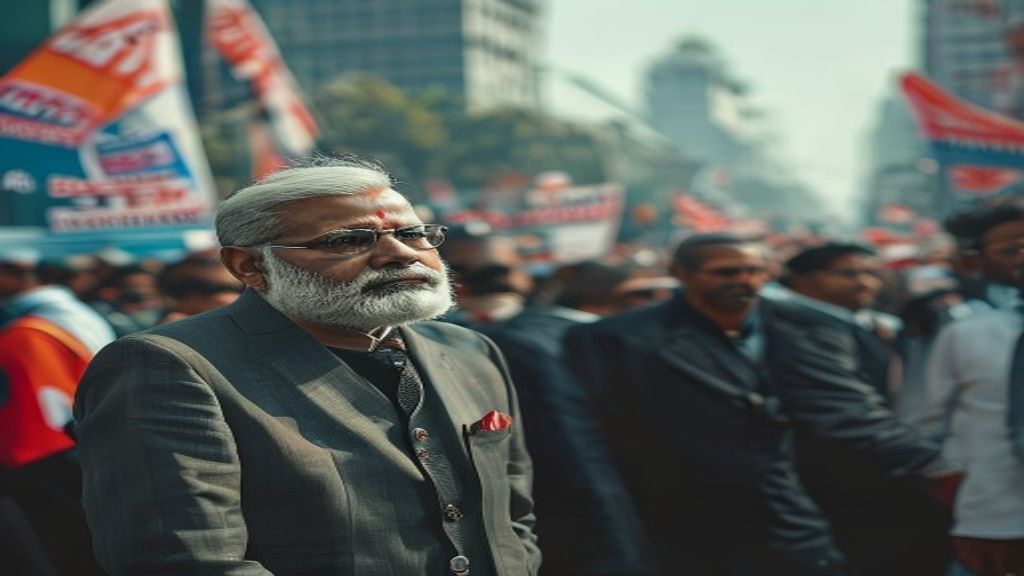
A political storm erupted in the Rajya Sabha as opposition leader Mallikarjun Kharge criticized Prime Minister Modi and Home Minister Amit Shah for their silence regarding the ongoing NEET protests. These protests have raised significant concerns about the integrity of the NEET exam and the government's accountability to the students. The absence of a response from key government figures has intensified calls for action and reform.
Political Reactions to NEET Protests
The NEET protests have sparked a heated debate among political parties. Opposition MPs have voiced their frustration over the government's lack of communication and action. They argue that the silence from PM Modi and Amit Shah reflects a disregard for the students' grievances. Furthermore, Kharge emphasized that his remarks were aimed at promoting accountability, not inciting violence. This clarification aimed to quell any misconceptions about the opposition's stance.
In addition, the effectiveness of the newly proposed anti-paper leak bill has come under scrutiny. Opposition members questioned whether this legislation would adequately address the issues surrounding exam integrity. They argue that without tangible reforms, the NEET exam will continue to face challenges, leading to further unrest among students.
Calls for Scrapping the NEET Exam
Several political parties have joined forces in demanding the government scrap the NEET exam altogether. They argue that the exam has become a source of stress and anxiety for students, leading to widespread protests. The opposition believes that the current system fails to serve the best interests of aspiring medical students. As a result, they are advocating for a more transparent and fair assessment process.
Moreover, the protests highlight a broader issue of student rights and representation. Many students feel that their voices are not being heard in the decision-making processes that affect their futures. This sentiment has fueled the ongoing demonstrations, with students calling for a reevaluation of the NEET exam's structure and implementation.
The Role of Student Activism
Student activism has played a crucial role in bringing attention to the NEET protests. Young activists have organized rallies and campaigns to raise awareness about the issues surrounding the exam. Their efforts have garnered significant media coverage, amplifying their message and demands. Furthermore, social media platforms have become vital tools for mobilizing support and sharing information about the protests.
As a result, the government faces increasing pressure to respond to these concerns. The activism surrounding the NEET protests reflects a growing trend of youth engagement in political matters. Students are determined to advocate for their rights and demand accountability from their leaders.
Government's Response to Protests
Despite the mounting pressure, the government has remained largely silent on the NEET protests. This lack of communication has led to frustration among students and opposition parties alike. Many are questioning the government's commitment to addressing the concerns raised by the protesters. Furthermore, the absence of a clear strategy to tackle the issues surrounding the NEET exam has left many feeling disillusioned.
In addition, the government's silence raises questions about its approach to student welfare. Critics argue that a proactive stance is necessary to ensure that students feel supported and heard. The ongoing protests serve as a reminder of the importance of engaging with the youth and addressing their concerns.
Future Implications of NEET Protests
The NEET protests may have long-lasting implications for the education system in India. As students continue to voice their concerns, the government may be compelled to reconsider its policies regarding medical entrance exams. Furthermore, the protests could lead to a broader dialogue about educational reforms and the need for a more inclusive approach to student assessments.
Moreover, the outcome of these protests could set a precedent for future student activism. If the government responds positively to the demands, it may encourage more students to engage in advocacy efforts. Conversely, a lack of action could lead to increased discontent and further unrest among the student population.
The NEET protests represent a critical moment in the intersection of education and politics in India. As the situation unfolds, the actions taken by the government will be closely monitored by both supporters and critics alike. The future of the NEET exam and student rights hangs in the balance, making it a pivotal issue for the nation.
Source: