Indian Diplomat Protests Misrepresentation of Jammu and Kashmir
NewsIndian Diplomat Protests Misrepresentation of Jammu and Kashmir
Indian diplomat raises concerns over Kashmir map at Dhaka seminar, asserting India's claim.
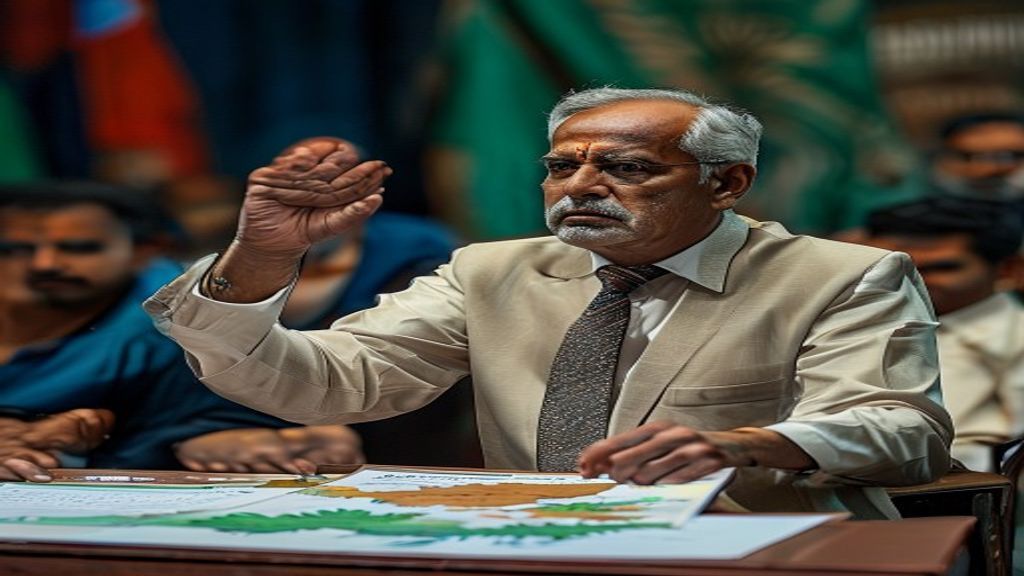
India recently lodged a formal protest at a seminar in Dhaka after a map displayed Jammu and Kashmir as part of Pakistan. An Indian diplomat promptly objected during the presentation, emphasizing that Jammu and Kashmir is an integral part of India. This incident occurred during a seminar organized by the Bangladesh Institute of International and Strategic Studies, highlighting ongoing tensions regarding territorial claims in South Asia.
Diplomatic Tensions Over Jammu and Kashmir
The representation of Jammu and Kashmir in international forums often sparks diplomatic tensions. During the seminar in Dhaka, the Indian diplomat's objections underscored India's longstanding position on the region. The former ambassador who presented the map claimed it was for representational purposes only, but this explanation did little to assuage Indian concerns.
Furthermore, the portrayal of Jammu and Kashmir as part of Pakistan in such a prominent setting raises questions about the accuracy of information shared in international discussions. India maintains that Jammu and Kashmir is a vital part of its territory, and any misrepresentation can lead to misunderstandings and further diplomatic friction.
The Role of International Seminars
International seminars play a crucial role in shaping perceptions and fostering dialogue among nations. However, the accuracy of the information presented is paramount. In this case, the seminar organized by the Bangladesh Institute of International and Strategic Studies aimed to discuss various geopolitical issues. Yet, the inclusion of a misleading map detracted from the seminar's credibility.
As a result, the Indian diplomat's immediate response highlights the importance of vigilance in international discourse. Accurate representation of territorial claims is essential for maintaining diplomatic relations and fostering mutual understanding among nations.
Historical Context of Jammu and Kashmir
The historical context of Jammu and Kashmir is complex and deeply rooted in the subcontinent's history. Following the partition of India in 1947, the region has been a focal point of conflict between India and Pakistan. Both nations claim the territory, leading to several wars and ongoing disputes.
In addition, the status of Jammu and Kashmir has evolved over the years, with various political and military developments influencing its current situation. The Indian government continues to assert its claim over the region, emphasizing its integral role in the nation's sovereignty.
Implications of Misrepresentation
Misrepresentation of Jammu and Kashmir in international forums can have significant implications. It can influence public opinion, affect diplomatic relations, and even impact policy decisions. When a map inaccurately depicts the region, it can perpetuate misunderstandings and fuel tensions between India and Pakistan.
Moreover, such incidents can embolden separatist movements within the region, complicating the already delicate situation. Therefore, it is crucial for international organizations and seminar hosts to ensure that accurate information is presented to avoid exacerbating existing conflicts.
The Importance of Accurate Representation
Accurate representation of Jammu and Kashmir is vital for fostering constructive dialogue. Diplomatic engagements should prioritize factual information to build trust and understanding among nations. The recent incident in Dhaka serves as a reminder of the need for careful consideration of how territorial issues are portrayed in international discussions.
Furthermore, countries must work collaboratively to ensure that their narratives are accurately represented. This approach can help mitigate tensions and promote a more peaceful resolution to the ongoing disputes surrounding Jammu and Kashmir.
Future of Jammu and Kashmir in International Discourse
The future of Jammu and Kashmir in international discourse remains uncertain. As geopolitical dynamics evolve, the region will likely continue to be a point of contention. However, the emphasis on accurate representation can pave the way for more productive discussions.
In addition, as nations engage in dialogue about Jammu and Kashmir, it is essential to consider the perspectives of all stakeholders involved. This inclusive approach can lead to a better understanding of the complexities surrounding the region and contribute to more effective diplomatic efforts.
Source: News Feed

