How India’s Biggest Cities Get Their Water Supply Efficiently
NewsHow India's Biggest Cities Get Their Water Supply Efficiently
Discover the intricate journey of water from source to tap in major Indian cities.
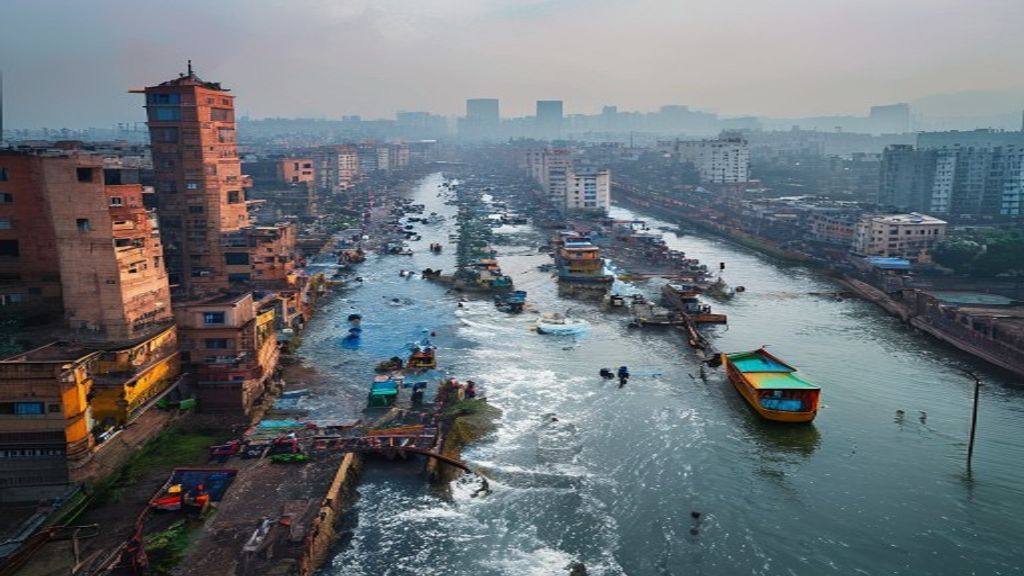
India's water supply system is a complex network that ensures millions of residents in major cities have access to clean drinking water. This intricate journey begins at various sources, including rivers, lakes, and reservoirs, and involves multiple stages of treatment and distribution. Understanding how India's water supply reaches urban areas is crucial, especially as cities face increasing demand and challenges related to water scarcity.
The Sources of India's Water Supply
India's water supply primarily relies on surface water sources such as rivers and lakes. Major rivers like the Ganges, Yamuna, and Brahmaputra serve as vital lifelines for cities. These rivers are supplemented by numerous reservoirs that collect rainwater during the monsoon season. Furthermore, groundwater also plays a significant role, especially in regions where surface water is scarce.
In addition to natural sources, many cities have begun to invest in desalination plants to convert seawater into potable water. This innovation is particularly important for coastal cities facing freshwater shortages. As a result, the combination of surface water, groundwater, and desalination contributes to a more resilient water supply system.
Treatment Processes in Water Supply
Once water is sourced, it undergoes rigorous treatment processes to ensure safety and quality. Water treatment plants utilize various methods, including filtration, chlorination, and sedimentation. These processes remove contaminants and pathogens, making the water safe for consumption.
Moreover, advanced technologies such as reverse osmosis are increasingly being adopted in urban areas. This method effectively removes dissolved solids and impurities, enhancing the overall quality of the water supply. As cities grow, the demand for high-quality treated water continues to rise, prompting further investments in treatment facilities.
Distribution Networks for Urban Water Supply
After treatment, the next step in India's water supply journey is distribution. Cities have extensive networks of pipelines that transport water from treatment plants to households and businesses. These pipelines are often buried underground to prevent contamination and protect the water supply.
However, maintaining these distribution networks poses significant challenges. Aging infrastructure, leaks, and illegal connections can lead to water loss and reduced supply. Consequently, many cities are implementing smart water management systems to monitor usage and detect leaks in real-time. This proactive approach helps ensure a more reliable water supply for residents.
Challenges Facing India's Water Supply
Despite advancements, India's water supply faces numerous challenges. Rapid urbanization has led to increased demand, often outpacing supply capabilities. Additionally, climate change impacts, such as erratic rainfall patterns and prolonged droughts, threaten the availability of water sources.
Furthermore, pollution from industrial and agricultural activities contaminates rivers and lakes, complicating the treatment process. As a result, cities must adopt sustainable practices to protect water sources and ensure long-term availability. This includes promoting water conservation and investing in wastewater treatment and recycling.
Innovations in Water Supply Management
To address these challenges, innovative solutions are emerging in India's water supply management. Smart technologies, such as IoT sensors and data analytics, are being integrated into water systems. These technologies enable better monitoring of water quality and usage patterns, leading to more efficient management.
Additionally, rainwater harvesting systems are gaining popularity in urban areas. These systems capture and store rainwater for later use, reducing reliance on traditional sources. As a result, cities can enhance their water supply resilience while promoting sustainable practices among residents.
The Future of India's Water Supply
Looking ahead, the future of India's water supply will depend on strategic planning and investment. Policymakers must prioritize sustainable water management practices to ensure that urban populations have access to clean water. This includes enhancing infrastructure, improving treatment processes, and protecting natural water sources.
Moreover, public awareness campaigns can educate citizens about the importance of water conservation. By fostering a culture of responsible water use, cities can work towards a more sustainable and secure water supply for generations to come. As India's urban centers continue to grow, a robust and efficient water supply system will be essential for their development and prosperity.
Source: News Feed

