India’s Solar Power Challenge: Managing Excess Energy Supply
NewsIndia's Solar Power Challenge: Managing Excess Energy Supply
As solar energy generation soars, India faces hurdles in energy management and storage solutions.
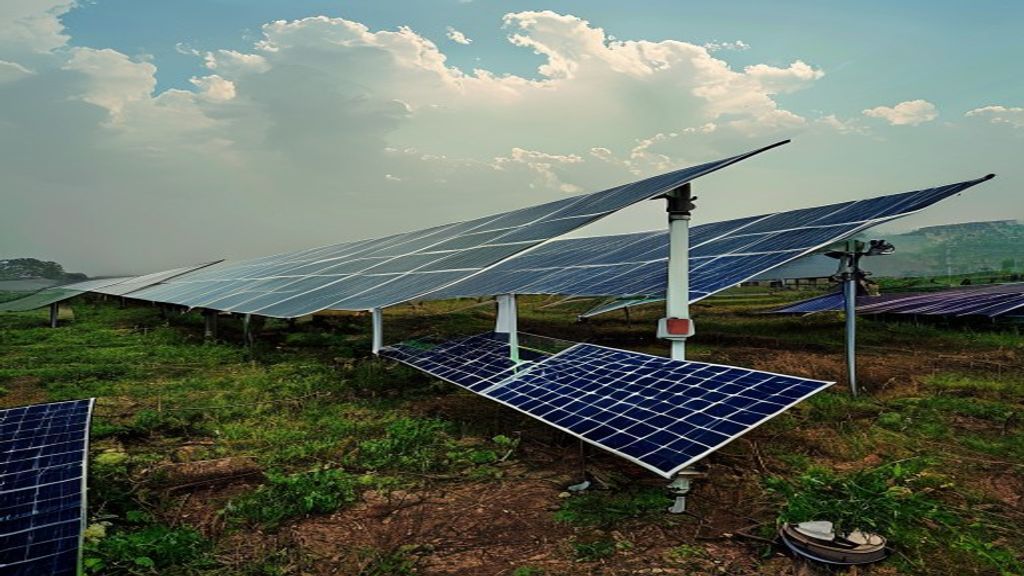
India's solar power sector has witnessed remarkable growth, becoming a leader in renewable energy generation. However, the country now faces a significant challenge: managing the excess energy produced. This issue arises as solar energy generation continues to increase, leading to questions about how to effectively utilize this surplus power.
The Rise of India's Solar Power
India has made substantial investments in solar energy, aiming to achieve 100 GW of solar capacity by 2022. This ambitious goal has been met with enthusiasm, resulting in a rapid increase in solar installations across the nation. As of 2023, India has surpassed its target, generating over 150 GW of solar power. This growth positions India as one of the top countries in solar energy production globally.
Furthermore, the government has implemented various policies to encourage solar adoption, including subsidies and incentives for both residential and commercial installations. As a result, solar energy has become a viable alternative to traditional fossil fuels, contributing to a cleaner environment and reduced carbon emissions.
Challenges in Energy Management
Despite the impressive growth in solar power generation, India faces significant challenges in energy management. The primary issue is the mismatch between energy production and consumption. Solar energy generation peaks during the day, while demand often surges in the evening. This discrepancy leads to an oversupply of energy during daylight hours and potential shortages later in the day.
In addition, the existing grid infrastructure struggles to accommodate the influx of solar energy. Many regions experience difficulties in integrating renewable energy sources into the grid, resulting in energy wastage. Consequently, India must invest in modernizing its grid systems to handle the growing volume of solar power effectively.
Energy Storage Solutions
To address the challenges of managing excess solar power, energy storage solutions are essential. Battery storage technology has emerged as a promising option, allowing for the capture and storage of surplus energy generated during peak sunlight hours. This stored energy can then be utilized during periods of high demand or low generation.
Moreover, advancements in battery technology have led to reduced costs and improved efficiency. As a result, more businesses and households are considering battery storage systems as part of their solar energy solutions. In addition, government initiatives aimed at promoting energy storage can further accelerate adoption across the country.
Policy and Regulatory Framework
The Indian government plays a crucial role in shaping the future of solar power management. Policymakers must create a regulatory framework that encourages investment in energy storage and grid modernization. This includes establishing clear guidelines for integrating renewable energy into the existing grid and incentivizing private sector participation.
Furthermore, collaboration between government agencies, private companies, and research institutions can drive innovation in energy management technologies. By fostering a supportive environment, India can enhance its solar power capabilities and ensure a sustainable energy future.
The Future of India's Solar Power
Looking ahead, India's solar power sector is poised for continued growth. However, addressing the challenges of energy management will be critical to maximizing the benefits of solar energy. By investing in advanced technologies and infrastructure, India can transform its energy landscape.
In addition, public awareness and education about solar energy and energy management practices will play a vital role. As more individuals and businesses understand the importance of efficient energy use, the demand for innovative solutions will increase.
Conclusion: A Path Forward
India's solar power journey has been remarkable, but the challenges of managing excess energy require immediate attention. By focusing on energy storage solutions, modernizing the grid, and creating supportive policies, India can harness the full potential of its solar resources. The future of India's solar power depends on proactive measures to ensure a balanced and sustainable energy system.
Source: