Faster Clearance for Imported Food Items in India Announced
NewsFaster Clearance for Imported Food Items in India Announced
New measures by the Food Safety Authority aim to expedite food imports while ensuring safety standards are met.
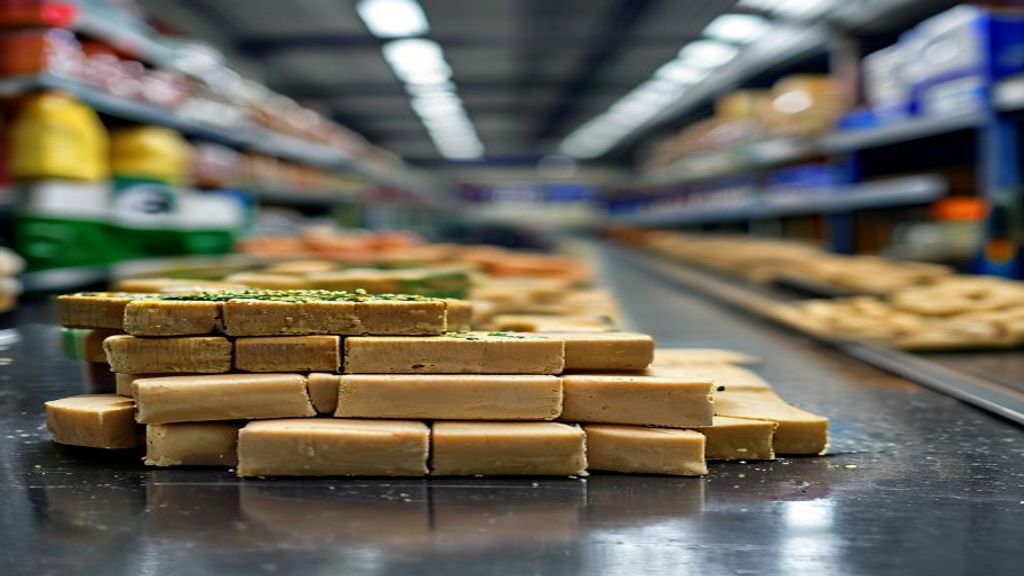
The Food Safety and Standards Authority of India (FSSAI) has announced a significant update to its procedures for imported food items. This new initiative allows for simultaneous inspection and testing of food products, effectively reducing delays at ports. The changes aim to streamline the import clearance process, ensuring that imported food items reach consumers more quickly while still adhering to safety regulations.
Streamlined Import Clearance Process
The FSSAI's updated import clearance process for imported food items is designed to enhance efficiency. By allowing inspections and testing to occur concurrently, the authority aims to minimize the time food products spend in customs. This is particularly crucial for perishable goods, which can suffer quality degradation during prolonged clearance times.
Furthermore, the new system ensures that all safety checks remain intact. Final clearance for imported food items will only be granted once all applicable fees are paid. This balance between speed and safety is essential for maintaining public health standards while facilitating trade.
Benefits of the New Measures
The recent changes in the import clearance process offer several benefits for businesses and consumers alike. For importers, the reduction in clearance time can lead to lower operational costs and improved cash flow. Faster access to imported food items means that businesses can respond more swiftly to market demands.
In addition, consumers will benefit from a more consistent supply of imported food items. With quicker clearance, products will be fresher upon arrival, enhancing the overall quality available in the market. This improvement is particularly important for items that have a limited shelf life, such as fruits, vegetables, and dairy products.
Safety Standards Remain a Priority
Despite the expedited process, the FSSAI emphasizes that safety standards for imported food items will not be compromised. The authority has implemented rigorous testing protocols to ensure that all products meet the required health and safety regulations. This commitment to safety is crucial for maintaining consumer trust in imported goods.
Moreover, the FSSAI will continue to monitor compliance with food safety standards. Regular audits and inspections will ensure that importers adhere to the established guidelines. This proactive approach helps to mitigate risks associated with food imports while promoting a safe marketplace.
Impact on Trade and Economy
The streamlined import clearance process for imported food items is expected to have a positive impact on India's trade and economy. By reducing delays, the FSSAI is facilitating smoother operations for businesses engaged in food imports. This efficiency can attract more international suppliers, boosting competition and potentially lowering prices for consumers.
Additionally, the quicker turnaround for imported food items can enhance India's position in the global food trade market. As businesses experience improved logistics, they may expand their offerings, leading to greater diversity in food products available to consumers.
Future Developments in Food Import Regulations
Looking ahead, the FSSAI plans to continue refining its regulations surrounding imported food items. The authority is exploring further technological advancements to enhance the import clearance process. Innovations such as digital tracking systems and automated inspections could further streamline operations.
As these developments unfold, stakeholders in the food import sector will need to stay informed about changes in regulations. Continuous engagement with the FSSAI will be essential for businesses to adapt to new requirements and maintain compliance.
Overall, the FSSAI's initiative to expedite the import clearance process for imported food items marks a significant step forward in enhancing efficiency while prioritizing safety. This balanced approach is set to benefit both consumers and businesses in the long run.
Source: