India and Japan Urge Global Action Against Pakistan-Linked Terrori
NewsIndia and Japan Urge Global Action Against Pakistan-Linked Terrorism
Leaders of India and Japan call for international cooperation to combat terrorism and ensure maritime security.
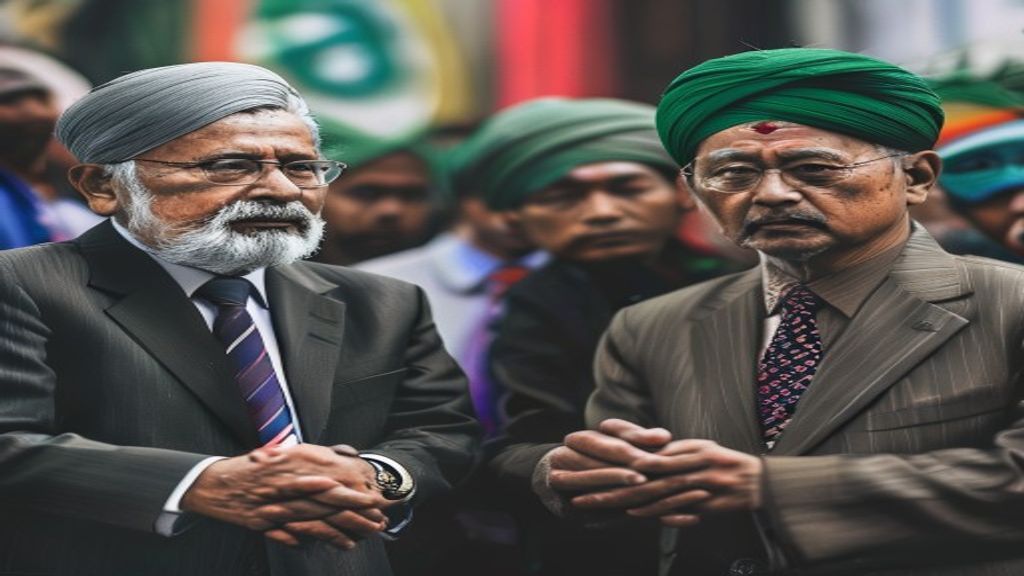
India and Japan have united in their condemnation of Pakistan-linked terrorism, specifically targeting groups like Lashkar-e-Taiba and Jaish-e-Mohammed. This joint stance was articulated during a recent meeting where leaders from both nations emphasized the urgent need for global action against these terror entities. The discussions took place against the backdrop of rising security concerns in the region, particularly regarding maritime stability in the East and South China Seas.
Joint Condemnation of Terrorism
Both India and Japan have expressed deep concern over the persistent threat posed by Pakistan-linked terrorism. The leaders highlighted the necessity for a coordinated international response to combat these extremist groups. By naming Lashkar-e-Taiba and Jaish-e-Mohammed, they underscored the specific organizations that pose significant risks to regional and global security. Furthermore, this condemnation reflects a growing consensus among nations that terrorism must be addressed collectively.
In addition to addressing terrorism, the leaders discussed the broader implications of security in the Indo-Pacific region. They reiterated their commitment to ensuring peace and stability, which is increasingly threatened by unilateral actions in maritime areas. This commitment aligns with their shared vision for a free and open Indo-Pacific, where the rule of law prevails.
Maritime Security Concerns
The discussions between India and Japan also focused on maritime security, particularly in the East and South China Seas. Both nations expressed their opposition to unilateral actions that could escalate tensions in these critical waterways. As a result, they called for adherence to international laws and norms to ensure safe navigation and overflight.
Moreover, the leaders recognized that maritime security is essential for regional trade and economic stability. They emphasized the importance of collaboration among nations to address these challenges effectively. By fostering partnerships, India and Japan aim to create a secure maritime environment that benefits all nations involved.
Commitment to UNSC Reforms
In their joint statement, India and Japan reaffirmed their commitment to reforming the United Nations Security Council (UNSC). They advocated for text-based negotiations to achieve permanent membership for both nations. This reform is seen as crucial for enhancing the effectiveness and legitimacy of the UNSC in addressing global security challenges, including Pakistan-linked terrorism.
Furthermore, the leaders highlighted the need for a more representative UNSC that reflects the current geopolitical realities. By pursuing these reforms, India and Japan aim to strengthen their roles in international decision-making processes, particularly in combating terrorism and promoting peace.
Broader Regional Discussions
The meeting also covered other significant global issues, including the situations in the Middle East and Ukraine. Both leaders acknowledged the interconnectedness of these crises with global security and stability. They emphasized the need for collaborative efforts to address these challenges, which often have far-reaching implications.
In addition, India and Japan expressed their commitment to working together on various fronts, including economic cooperation and cultural exchanges. By strengthening bilateral ties, they aim to create a robust partnership that can effectively tackle regional and global challenges, including terrorism.
Strengthening Bilateral Relations
India and Japan's joint condemnation of Pakistan-linked terrorism marks a pivotal moment in their bilateral relations. By aligning their security interests, both nations are poised to enhance their cooperation in various sectors. This partnership is not only vital for addressing terrorism but also for promoting economic growth and stability in the region.
As a result, India and Japan are likely to engage in more frequent dialogues and collaborative initiatives. These efforts will focus on enhancing security cooperation, sharing intelligence, and conducting joint exercises to counter terrorism effectively. By doing so, they aim to create a safer environment for their citizens and contribute to global peace.
Future Prospects for Cooperation
Looking ahead, the partnership between India and Japan is expected to evolve further. Both nations recognize the importance of a united front against Pakistan-linked terrorism and other security threats. Their commitment to working together will likely inspire other nations to join in the fight against terrorism.
Furthermore, as global dynamics shift, India and Japan's collaboration could serve as a model for other countries facing similar challenges. By fostering a spirit of cooperation and mutual respect, they aim to build a more secure and prosperous future for their citizens and the international community.
Source: