FSSAI Aims to Reduce Import Delays for Fresher Food Supply
NewsFSSAI Aims to Reduce Import Delays for Fresher Food Supply
New measures by FSSAI promise to enhance food freshness and availability for consumers across India.
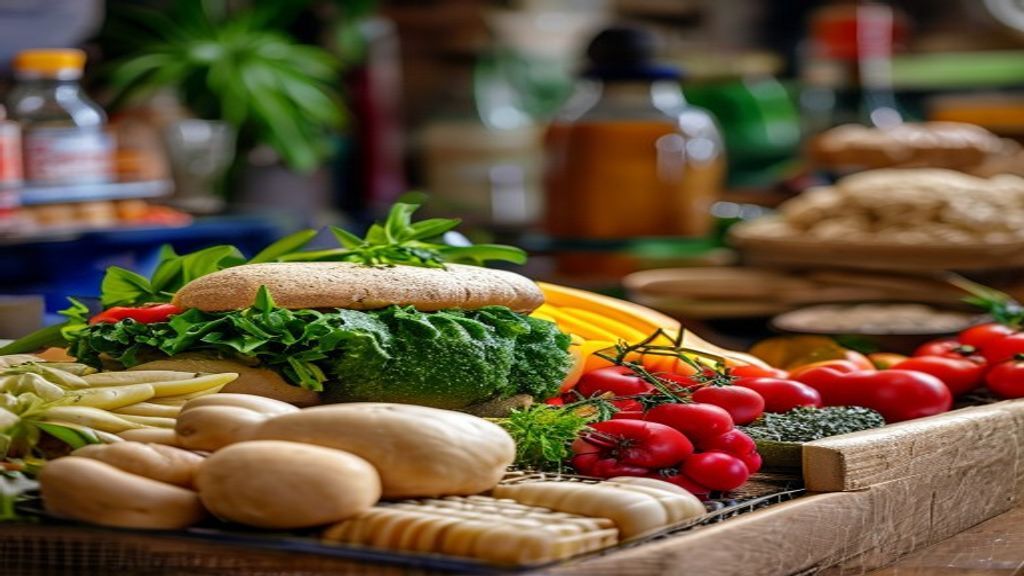
The Food Safety and Standards Authority of India (FSSAI) is taking significant steps to reduce import delays that affect the availability of fresh food products. This initiative aims to streamline the import process, ensuring that consumers receive fresher food options in a timely manner. The FSSAI's new measures are set to impact the food supply chain positively, enhancing the overall quality of food available in the Indian market.
Understanding FSSAI's Role in Food Safety
The FSSAI plays a crucial role in regulating food safety standards in India. It ensures that all food products, including imports, meet specific safety and quality benchmarks. By addressing FSSAI import delays, the authority aims to facilitate quicker clearance of food items at ports. This change is vital for maintaining the freshness of perishable goods, which often suffer from extended wait times during the import process.
Furthermore, the FSSAI's efforts align with the growing demand for high-quality food products among Indian consumers. As awareness about food safety increases, consumers are more inclined to choose fresh and safe food options. The FSSAI's new measures will likely lead to a more efficient import process, benefiting both consumers and businesses alike.
New Measures to Tackle Import Delays
To combat FSSAI import delays, the authority has introduced several new measures. These include enhanced coordination with customs and port authorities to expedite the clearance process. Additionally, the FSSAI is implementing digital solutions to streamline documentation and approval procedures. This shift towards technology aims to reduce human error and speed up the overall import timeline.
As a result, food importers can expect a more predictable and efficient process. This efficiency is crucial for perishable goods, which require swift handling to maintain their quality. The FSSAI's proactive approach is set to transform the landscape of food imports in India.
Impact on Consumers and Businesses
The reduction of FSSAI import delays is expected to have a significant impact on both consumers and businesses. For consumers, this means access to fresher food products, which can enhance their overall dining experience. Fresh fruits, vegetables, and other perishable items will be more readily available, leading to healthier eating habits.
Meanwhile, businesses that rely on imported food products will benefit from reduced costs associated with delays. Importers can minimize losses due to spoilage and waste, ultimately passing on savings to consumers. This positive ripple effect can contribute to a more robust food market in India.
Challenges Ahead for FSSAI
Despite the promising measures, the FSSAI faces several challenges in implementing these changes. One significant hurdle is ensuring that all stakeholders, including importers and customs officials, are adequately trained on the new processes. Without proper training, the risk of delays could persist, undermining the FSSAI's efforts.
In addition, the FSSAI must maintain strict food safety standards while expediting the import process. Balancing efficiency with safety is crucial to prevent any compromise in food quality. The authority is committed to addressing these challenges head-on to ensure the success of its initiatives.
Future of Food Imports in India
Looking ahead, the FSSAI's initiatives to reduce import delays could reshape the future of food imports in India. As the authority continues to refine its processes, consumers can expect a more consistent supply of fresh food products. This shift may also encourage more international suppliers to enter the Indian market, further diversifying the food options available.
Furthermore, the FSSAI's commitment to modernization and efficiency may set a precedent for other regulatory bodies in the country. By adopting similar strategies, these organizations can enhance their operations and better serve the public.
Conclusion: A Positive Step for Food Safety
The FSSAI's efforts to reduce import delays represent a significant advancement in food safety and quality in India. By streamlining processes and leveraging technology, the authority aims to ensure that consumers receive fresher food products without compromising safety. As these initiatives unfold, the positive impact on the food supply chain will likely be felt across the nation.
Source: