El Niño Years Linked to Poor Indian Summer Monsoons
NewsEl Niño Years Linked to Poor Indian Summer Monsoons
Strong El Niño forecast could lead to below-normal rainfall in India this season.
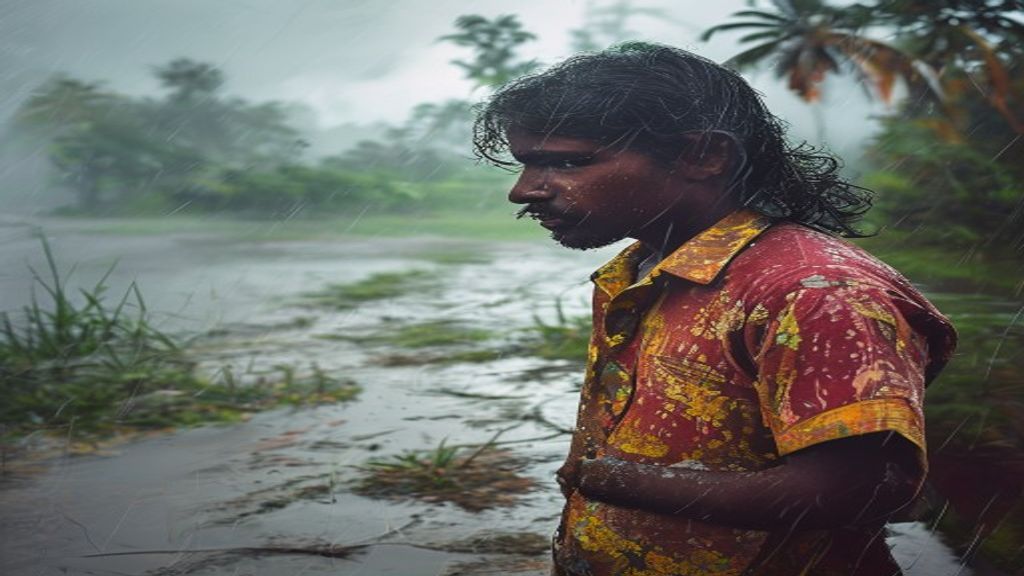
El Niño years have consistently been associated with poor Indian summer monsoons, with approximately 70% of these years experiencing deficient rainfall. Recent forecasts suggest that a strong El Niño is likely to develop in the coming months, raising concerns about the upcoming monsoon season. The India Meteorological Department (IMD) anticipates that this season may see below-normal rainfall, which could have significant implications for agriculture and water supply across the country.
Impact of El Niño on Indian Summer Monsoons
El Niño is a climate phenomenon characterized by the warming of ocean surface temperatures in the central and eastern Pacific. This warming can disrupt typical weather patterns, leading to significant changes in rainfall across various regions, including India. Historical data shows that during El Niño years, the Indian summer monsoons often fail to deliver adequate rainfall, which is crucial for the country's agricultural sector.
Furthermore, the correlation between El Niño and poor Indian summer monsoons has been evident since 1980. Studies indicate that around 70% of El Niño years have resulted in below-normal rainfall, impacting crop yields and water availability. As a result, farmers and policymakers are closely monitoring the situation as the monsoon season approaches.
Current Forecasts for the Upcoming Monsoon Season
The IMD has released its latest forecasts, indicating a strong likelihood of below-normal rainfall during the upcoming Indian summer monsoons. This prediction aligns with the expected development of a strong El Niño, which typically leads to drier conditions in many parts of India.
In addition, the IMD's predictions are critical for farmers who rely on the monsoon rains for planting and harvesting crops. The potential for reduced rainfall could lead to increased anxiety among agricultural communities, especially in regions that are heavily dependent on monsoon rains for irrigation.
Historical Context of El Niño and Monsoon Patterns
Historically, the relationship between El Niño and Indian summer monsoons has been well-documented. During the last four decades, numerous El Niño events have coincided with significant deficits in monsoon rainfall. For instance, years such as 1982, 1997, and 2015 saw drastic reductions in rainfall, leading to drought conditions in various states.
Moreover, the impact of these weather patterns extends beyond agriculture. Water scarcity, food insecurity, and economic challenges often arise in regions affected by poor monsoon seasons. Consequently, understanding the dynamics of El Niño is crucial for effective planning and response strategies.
Agricultural Implications of Below-Normal Rainfall
The anticipated below-normal rainfall during the Indian summer monsoons poses serious risks for agriculture. Crops such as rice, wheat, and pulses are particularly vulnerable to insufficient rainfall. Farmers may face reduced yields, which can lead to increased food prices and economic strain.
Additionally, the agricultural sector's reliance on monsoon rains means that any disruption can have a ripple effect throughout the economy. As a result, stakeholders are urged to prepare for potential challenges by implementing water conservation measures and exploring alternative irrigation methods.
Preparing for the Monsoon Season Amid El Niño
As the monsoon season approaches, it is essential for farmers and local governments to prepare for the potential impacts of a strong El Niño. This preparation includes developing contingency plans for water management and crop selection.
Furthermore, investing in technology and infrastructure can help mitigate the effects of below-normal rainfall. For instance, rainwater harvesting systems and drought-resistant crop varieties can provide farmers with more resilience against changing weather patterns.
In addition, public awareness campaigns can educate communities about the importance of water conservation and sustainable agricultural practices. By fostering a proactive approach, stakeholders can better navigate the challenges posed by El Niño and its impact on Indian summer monsoons.
Source: