Cloudbursts Cause Flash Floods and Road Blockades in J&K
NewsCloudbursts Cause Flash Floods and Road Blockades in J&K
Heavy rainfall leads to flash floods and road closures in Kishtwar and Doda districts, prompting emergency responses.
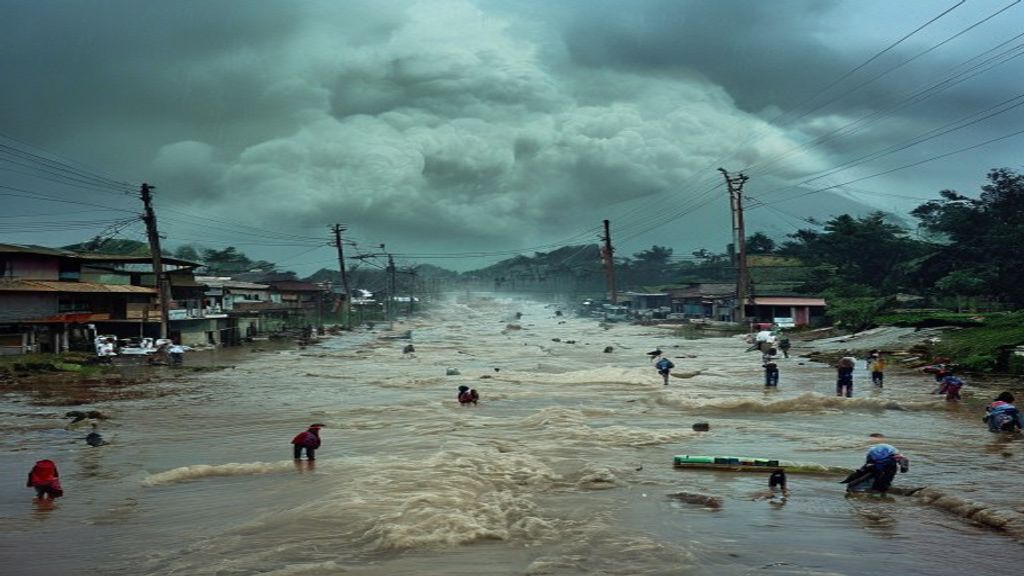
On Tuesday, cloudbursts in Jammu and Kashmir's Kishtwar and Doda districts triggered severe flash floods and landslides. These weather events resulted in significant road blockades, particularly affecting the Kishtwar-Jammu highway. Fortunately, authorities reported no casualties or property damage, but the situation prompted immediate restoration operations and advisories for local residents.
Impact of Cloudbursts in Jammu and Kashmir
The cloudbursts in Jammu and Kashmir have raised concerns among local authorities and residents alike. Flash floods can lead to rapid water accumulation, creating dangerous conditions on roads and in communities. In Kishtwar and Doda, emergency teams have been deployed to assess the situation and provide assistance where needed.
Furthermore, the heavy rainfall has caused landslides, complicating rescue and restoration efforts. Roads that were once accessible are now blocked, making it difficult for emergency services to reach affected areas. As a result, local officials are urging residents to stay vigilant and avoid unnecessary travel until the situation stabilizes.
Emergency Response Measures
In response to the cloudbursts in Jammu and Kashmir, authorities have activated emergency protocols. Teams are working tirelessly to clear blocked roads and restore access to essential services. The Kishtwar-Jammu highway, a vital route for transportation, remains a priority for restoration efforts.
Moreover, advisories have been issued to inform residents about potential risks associated with flash floods. Local authorities are encouraging people to stay indoors and avoid low-lying areas prone to flooding. Emergency teams are on high alert, ready to respond to any further developments.
Weather Forecast and Future Precautions
As the situation unfolds, weather forecasts indicate that additional rainfall may occur in the coming days. This possibility raises concerns about further cloudbursts in Jammu and Kashmir. Residents are advised to stay updated on weather alerts and heed warnings from local authorities.
In addition, community preparedness is crucial during such weather events. Local officials recommend that families have emergency kits ready and establish communication plans in case of severe weather. Being proactive can significantly reduce risks associated with flash floods and landslides.
Historical Context of Cloudbursts in the Region
Cloudbursts are not uncommon in Jammu and Kashmir, particularly during the monsoon season. The region's topography makes it susceptible to sudden and intense rainfall, leading to flash floods. Past incidents have highlighted the need for improved infrastructure and emergency response strategies.
Furthermore, understanding the patterns of cloudbursts can help local authorities better prepare for future events. By analyzing historical data, officials can develop more effective warning systems and response plans. This proactive approach is essential for safeguarding communities in Jammu and Kashmir.
Community Involvement and Awareness
Community involvement plays a vital role in managing the impacts of cloudbursts in Jammu and Kashmir. Local residents are encouraged to participate in awareness programs that educate them about the risks associated with flash floods. Knowledge of emergency procedures can empower individuals to act swiftly during crises.
Moreover, collaboration between government agencies and community organizations can enhance preparedness efforts. By working together, they can develop resources and training programs that equip residents with the skills needed to respond effectively to natural disasters.
Conclusion of Current Events
The recent cloudbursts in Jammu and Kashmir serve as a reminder of the region's vulnerability to extreme weather events. As authorities continue their restoration efforts, the focus remains on ensuring the safety and well-being of residents. Ongoing communication and preparedness will be key in navigating the challenges posed by such natural phenomena.
Source: