Tamil Nadu Deports 50 Bangladeshi Nationals to Bengal for Processi
NewsTamil Nadu Deports 50 Bangladeshi Nationals to Bengal for Processing
Tamil Nadu authorities ensure secure transfer of 50 Bangladeshi nationals for deportation to Bengal.
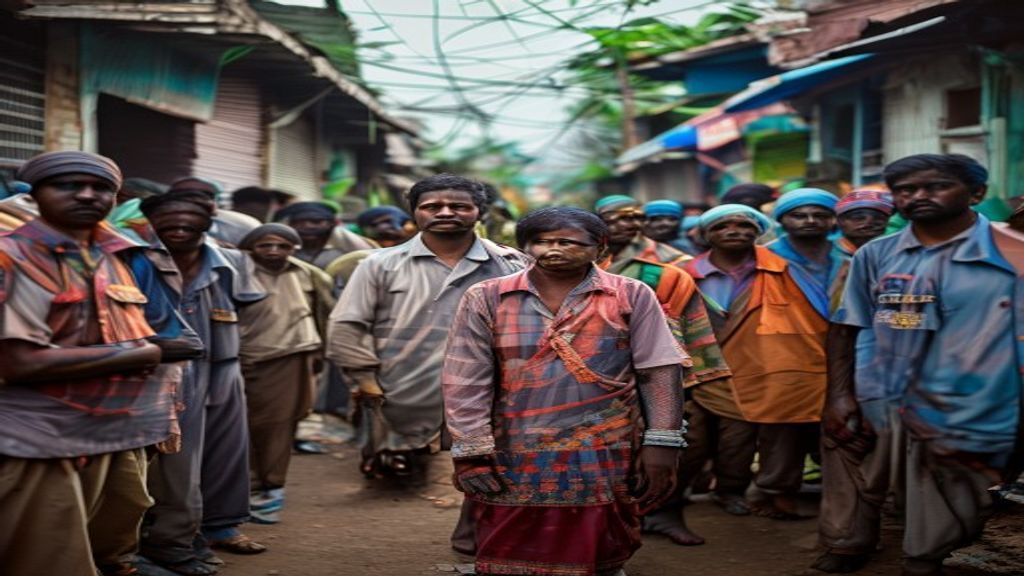
On July 3, Tamil Nadu authorities deported a group of 50 Bangladeshi nationals, consisting of 44 men and six women, to Bengal for processing. This operation took place under strict security measures, highlighting the state's commitment to managing immigration issues effectively. The deportation of these Bangladeshi nationals follows legal orders and reflects ongoing efforts to address unauthorized immigration in the region.
Background of the Deportation
The deportation of Bangladeshi nationals has become a significant issue in Tamil Nadu and across India. Authorities have been increasingly vigilant in identifying and processing individuals who enter the country illegally. The group of 50 individuals had been held at a special detention camp located within the Attur taluk office complex in Salem district. This facility is designed to house individuals awaiting deportation, ensuring their safety and compliance with legal protocols.
Furthermore, the decision to deport these Bangladeshi nationals aligns with national policies aimed at regulating immigration. The Tamil Nadu police coordinated the transfer, ensuring that the individuals were transported securely to Tiruchirappalli. This operation involved three police vans and a significant security presence, underscoring the seriousness of the situation.
Legal Framework for Deportation
The deportation process for Bangladeshi nationals is governed by various laws and regulations. The Indian government has established protocols to handle cases of illegal immigration, which include detention and eventual deportation. These measures are crucial for maintaining national security and upholding the rule of law.
In addition, the legal framework allows for the humane treatment of individuals during the deportation process. Authorities are required to ensure that the rights of the detainees are respected, even as they face deportation. This balance between enforcement and human rights is a critical aspect of the ongoing immigration debate in India.
Security Measures During Deportation
Security measures during the deportation of Bangladeshi nationals are paramount. The Tamil Nadu police implemented strict protocols to ensure the safe transfer of the individuals. This included the use of multiple police vans and a dedicated escort team to monitor the transportation process.
Moreover, the police presence aimed to prevent any potential disturbances during the transfer. By taking these precautions, authorities demonstrated their commitment to conducting the deportation in a safe and orderly manner. Such measures are essential for maintaining public order and ensuring the safety of both the deportees and the general public.
Implications for Future Deportations
The deportation of these 50 Bangladeshi nationals may set a precedent for future immigration enforcement actions in Tamil Nadu. As authorities continue to address unauthorized immigration, similar operations may become more common. This could lead to increased scrutiny of individuals residing in the state without proper documentation.
Furthermore, the successful execution of this deportation highlights the effectiveness of coordination between various law enforcement agencies. As a result, it may encourage further collaboration in handling immigration issues across state lines. The implications of this operation could resonate beyond Tamil Nadu, influencing how other states approach similar challenges.
Community Reactions and Concerns
The deportation of Bangladeshi nationals has sparked various reactions within the community. Some residents support the government's efforts to manage immigration, viewing it as a necessary step for national security. However, others express concerns about the treatment of individuals during the deportation process.
In addition, human rights advocates have raised questions about the conditions in detention camps and the overall deportation process. They emphasize the need for transparency and accountability in handling such sensitive matters. As discussions continue, it is clear that the issue of Bangladeshi nationals deportation will remain a topic of public interest and debate in Tamil Nadu and beyond.
Source: