Ambedkar’s Influence on Roma Empowerment in Hungary’s Schools
NewsAmbedkar's Influence on Roma Empowerment in Hungary's Schools
A Hungarian school inspired by B.R. Ambedkar empowers the Roma community through education and leadership.
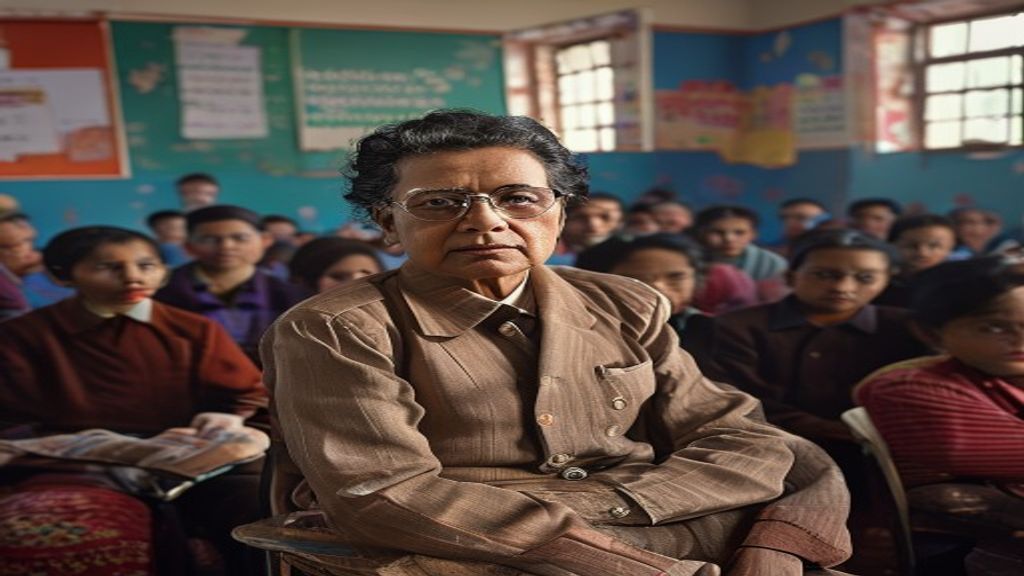
A school in Hungary is making waves by embracing the Ambedkar influence on Roma empowerment. Founded by a dedicated sociologist and Roma activist, this institution serves as a vital resource for the Roma community. It aims to address their historical struggles with oppression while fostering a sense of identity and pride. By translating B.R. Ambedkar's texts and teaching Roma history, the school is creating a new generation of leaders who are committed to uplifting their community.
The initiative began in response to the systemic challenges faced by the Roma people in Hungary. These challenges include social exclusion, discrimination, and limited access to quality education. The school not only provides academic knowledge but also instills the values of empowerment and self-advocacy, reflecting Ambedkar's vision for marginalized communities.
The Role of Education in Roma Empowerment
Education plays a crucial role in the Ambedkar influence on Roma empowerment. The school emphasizes the importance of understanding one's history and culture. By integrating Roma history into the curriculum, students gain a deeper appreciation for their heritage. This knowledge fosters pride and resilience, essential qualities for overcoming societal challenges.
Furthermore, the school encourages critical thinking and leadership skills among its students. Graduates are increasingly stepping into roles as local leaders, advocating for the rights and needs of the Roma community. This shift is significant, as it empowers individuals to challenge stereotypes and fight for equality.
Translating Ambedkar's Ideals
The school's commitment to translating Ambedkar's texts is a cornerstone of its educational approach. These texts provide valuable insights into social justice, equality, and the fight against oppression. By studying Ambedkar's work, students learn about the importance of activism and advocacy.
In addition, the curriculum includes discussions on contemporary issues facing the Roma community. This blend of historical and modern perspectives equips students with the tools needed to navigate and address current challenges. As a result, they become informed advocates for change.
Improving Girls' Education
One of the most notable impacts of the school is its focus on improving girls' education within the Roma community. Historically, Roma girls have faced significant barriers to education, often resulting in lower literacy rates and limited opportunities. The school actively works to dismantle these barriers by promoting gender equality in education.
Moreover, the Ambedkar influence on Roma empowerment extends to encouraging girls to pursue leadership roles. By providing mentorship and support, the school helps young women envision a future where they can lead and inspire others. This initiative is crucial for breaking the cycle of oppression and fostering a more equitable society.
Community Engagement and Support
The school's efforts are not limited to the classroom; they extend into the community as well. Engaging with local leaders and organizations, the school fosters a network of support for Roma families. This collaboration enhances the overall impact of the educational initiatives.
Furthermore, community events and workshops are organized to raise awareness about Roma culture and issues. These events serve as platforms for dialogue and understanding, bridging gaps between the Roma community and the wider society. As a result, the school is not only an educational institution but also a catalyst for social change.
Future Prospects for Roma Leadership
Looking ahead, the Ambedkar influence on Roma empowerment is expected to grow stronger. As more students graduate and take on leadership roles, the potential for positive change within the community increases. The school's model serves as an inspiration for similar initiatives across Hungary and beyond.
In addition, ongoing support from local and international organizations is vital for sustaining these efforts. By investing in Roma education and empowerment, stakeholders can help create a more inclusive society. The legacy of B.R. Ambedkar continues to inspire and guide these transformative efforts, ensuring that the fight for equality and justice remains at the forefront.
Source: