Abhijeet Dipke Critiques PM Modi’s Video on Anti-Paper Leak Bill
NewsAbhijeet Dipke Critiques PM Modi's Video on Anti-Paper Leak Bill
CJP founder Abhijeet Dipke mocks PM Modi's late-night address on exam reforms and integrity.
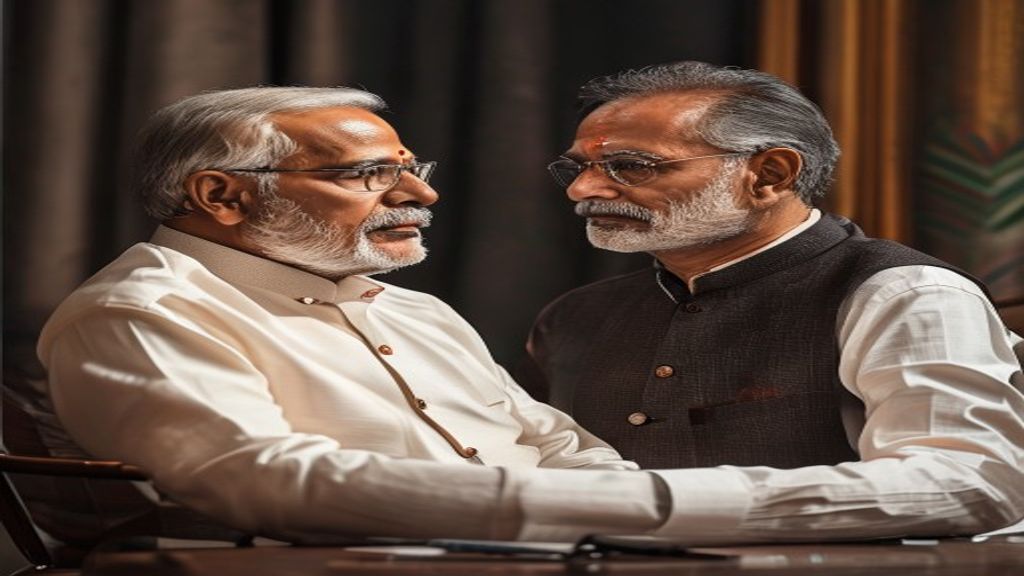
Abhijeet Dipke, the founder of the Citizens for Justice and Peace (CJP), recently criticized Prime Minister Narendra Modi's late-night video message regarding the newly passed anti-paper leak Bill. This legislation aims to enhance the examination system for students across India. Dipke's remarks come in response to Modi's emphasis on the government's commitment to tackling decades of paper leak issues that have plagued educational assessments nationwide.
Abhijeet Dipke's Response to PM Modi
Dipke's criticism centers on the Prime Minister's attempt to address the serious issue of exam integrity. He expressed skepticism about the effectiveness of the new anti-paper leak Bill, questioning whether it would genuinely resolve the longstanding problems associated with examination fraud. Furthermore, Dipke's comments highlight a broader concern regarding the government's ability to implement meaningful reforms in the education sector.
In his critique, Dipke stated that the Prime Minister's assurances seemed disconnected from the reality faced by students and educators. He emphasized that while the government introduces new legislation, the root causes of exam leaks must be addressed comprehensively. This includes improving the overall educational infrastructure and ensuring transparency in the examination process.
The Importance of the Anti-Paper Leak Bill
The anti-paper leak Bill, recently passed by Parliament, aims to create a more reliable examination system. It seeks to implement stringent measures to prevent paper leaks and ensure that students can take exams without the fear of unfair practices. The legislation reflects the government's recognition of the need for reform in the education sector.
Moreover, PM Modi's video highlighted the historical context of paper leaks, which have undermined the credibility of examinations for years. By addressing these issues, the government hopes to restore public trust in the examination system. However, critics like Dipke argue that merely passing a Bill is not enough; effective implementation is crucial for real change.
Technology's Role in Exam Integrity
In his address, PM Modi emphasized the role of technology in ensuring exam integrity. The government plans to leverage advanced technologies to monitor examinations and prevent malpractices. This includes the use of biometric systems and digital surveillance to secure examination centers.
However, Dipke raised concerns about the reliance on technology alone. He pointed out that while technological solutions can enhance security, they cannot replace the need for systemic changes within the educational framework. As a result, a multifaceted approach is necessary to tackle the issue of exam leaks effectively.
Public Reaction to the Criticism
The public response to Dipke's criticism has been mixed. Some individuals support his stance, arguing that the government must be held accountable for its promises. They believe that without genuine efforts to address the underlying issues, the anti-paper leak Bill may not achieve its intended goals.
Conversely, others feel that the government's initiatives should be given a chance to succeed. They argue that the introduction of new legislation is a step in the right direction and that constructive criticism should focus on supporting these efforts rather than undermining them.
Future Implications for Students
The implications of the anti-paper leak Bill are significant for students across India. If successfully implemented, the legislation could lead to a fairer examination process, allowing students to compete on an equal footing. This would not only enhance the quality of education but also improve the overall credibility of academic qualifications.
However, the effectiveness of these reforms will depend on the government's commitment to follow through on its promises. As the debate continues, students and educators alike are watching closely to see how these changes will unfold in the coming months.
The Need for Comprehensive Educational Reform
Ultimately, the discussion surrounding the anti-paper leak Bill highlights the urgent need for comprehensive educational reform in India. While the legislation is a positive step, it must be part of a broader strategy to improve the educational landscape. This includes addressing issues such as teacher training, curriculum development, and equitable access to resources.
As Abhijeet Dipke and others continue to voice their concerns, it is clear that the path to a more reliable examination system requires collaboration between the government, educators, and civil society. Only through collective efforts can the integrity of the examination process be truly secured.
Source: