India Condemns Pakistan for Training Militants Against State
NewsIndia Condemns Pakistan for Training Militants Against State
India criticizes Pakistan's crackdown on protests in PoK, highlighting civilian casualties and state violence.
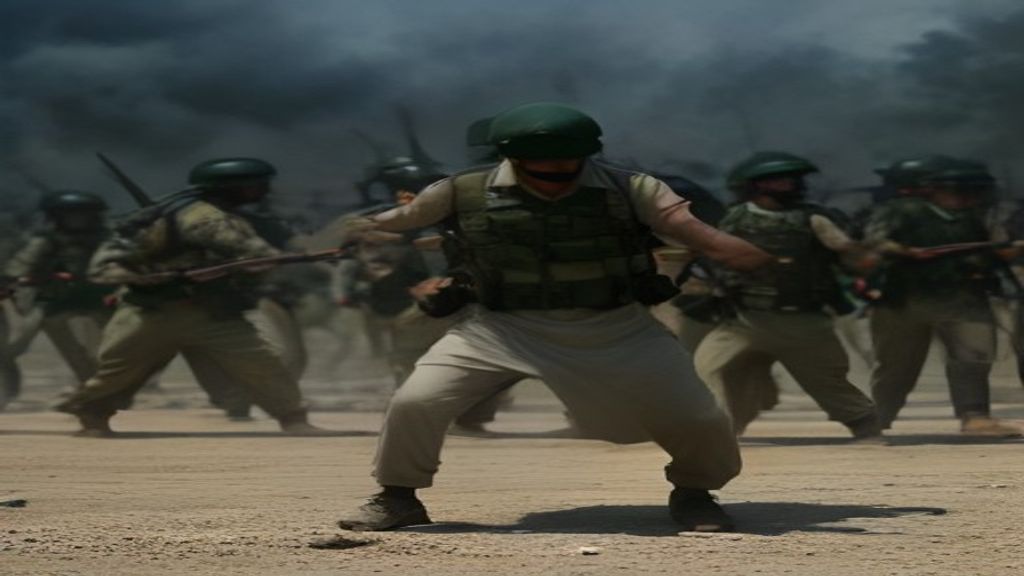
India has strongly condemned Pakistan's admission of training and arming militants who have now turned their guns inward against the state. This statement comes from the Ministry of External Affairs, which also denounced Pakistan's severe crackdown on peaceful protesters in Pakistan-occupied Jammu and Kashmir (PoK). Reports indicate that over forty civilians have tragically lost their lives during this violent suppression, raising serious concerns about human rights violations in the region.
Pakistan's Training of Militants
Pakistan's training of militants has long been a contentious issue in South Asia. The recent acknowledgment by Islamabad that it has armed these groups, which have now turned against the state, raises alarms about the stability of the region. Furthermore, this admission highlights the dangerous implications of state-sponsored militancy, which not only threatens Pakistan but also poses risks to its neighbors, including India.
In addition, the Ministry of External Affairs emphasized that Pakistan's actions reflect a blatant disregard for the welfare of innocent civilians in PoK. The ongoing violence against protesters showcases the government's failure to address the legitimate grievances of its citizens. As a result, the situation in the region continues to deteriorate, leading to increased unrest and instability.
Human Rights Violations in PoK
The crackdown on protests in Pakistan-occupied Jammu and Kashmir has drawn widespread condemnation from various human rights organizations. Eyewitness accounts reveal that security forces have employed excessive force to silence dissent, resulting in numerous civilian casualties. This brutal response to peaceful demonstrations underscores the urgent need for accountability and reform within Pakistan's security apparatus.
Moreover, the international community has expressed concern over the deteriorating human rights situation in PoK. Reports of arbitrary arrests, enforced disappearances, and torture have surfaced, painting a grim picture of life for those who dare to voice their opposition to the government. The ongoing violence not only violates fundamental human rights but also undermines the prospects for peace and stability in the region.
India's Response to Pakistan's Actions
In response to Pakistan's actions, India has reiterated its commitment to supporting the rights of the people in PoK. The Indian government has called for an end to the violence and urged the international community to take notice of the human rights abuses occurring in the region. By highlighting these issues, India aims to bring global attention to the plight of civilians caught in the crossfire of state-sponsored violence.
Furthermore, India has emphasized the importance of dialogue and peaceful resolution to the ongoing conflict. The Indian Ministry of External Affairs has stated that Pakistan must take responsibility for its actions and work towards a peaceful solution that respects the rights and aspirations of the people in PoK. This approach aligns with India's broader strategy of promoting stability and security in South Asia.
The Impact of Militancy on Regional Stability
The rise of militancy in Pakistan, fueled by state-sponsored training, poses significant challenges to regional stability. As these armed groups turn against the state, the potential for increased violence and unrest grows. This situation not only affects Pakistan but also has far-reaching implications for neighboring countries, particularly India.
Moreover, the international community must recognize the interconnectedness of these issues. The training of militants by Pakistan has historically contributed to cross-border terrorism, which threatens the security of the entire region. As a result, addressing the root causes of militancy is essential for achieving lasting peace and stability in South Asia.
The Role of the International Community
The international community plays a crucial role in addressing the challenges posed by Pakistan's training of militants. Countries and organizations must hold Pakistan accountable for its actions and advocate for the protection of human rights in PoK. Increased diplomatic pressure can encourage Pakistan to reconsider its approach to militancy and prioritize the welfare of its citizens.
In addition, global cooperation is vital in combating terrorism and promoting regional stability. By working together, nations can develop comprehensive strategies to address the underlying issues that fuel militancy. This collaborative effort is essential for fostering a secure and peaceful environment in South Asia, benefiting all nations involved.
Future Prospects for Peace in the Region
Looking ahead, the prospects for peace in South Asia depend on the willingness of all parties to engage in constructive dialogue. Pakistan must acknowledge the consequences of its training of militants and take steps to address the grievances of its citizens. Meanwhile, India remains committed to supporting the rights of the people in PoK and advocating for a peaceful resolution to the ongoing conflict.
Furthermore, the international community must remain vigilant and proactive in addressing human rights violations and promoting stability in the region. By fostering an environment conducive to dialogue and cooperation, there is hope for a more peaceful future in South Asia, free from the shadows of militancy and violence.
Source: