Cauvery Authority Orders Karnataka to Release 3,500 Cusecs of Wate
NewsCauvery Authority Orders Karnataka to Release 3,500 Cusecs of Water
Karnataka must comply with the Cauvery Authority's directive to ensure water supply to Tamil Nadu amid drought concerns.
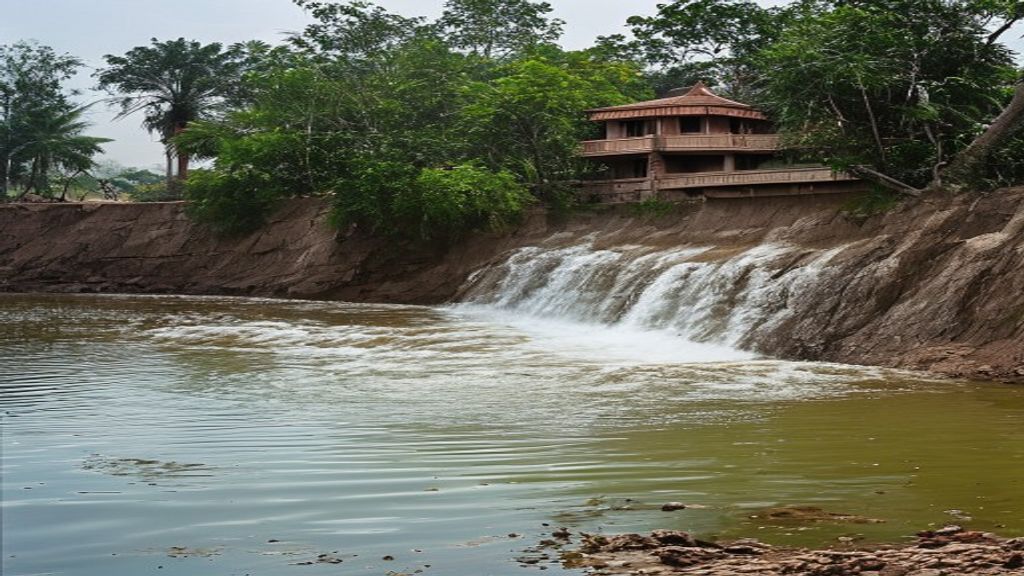
The Cauvery Water Management Authority has mandated Karnataka to release 3,500 cusecs of water daily to Tamil Nadu. This decision, announced recently, requires a total release of 4 TMC (thousand million cubic feet) of water. The order comes in response to ongoing concerns about water availability, particularly as Karnataka faces low reservoir levels and drought conditions.
Karnataka officials expressed their apprehensions regarding the water release, citing significantly lower reservoir levels compared to last year. They argued that the current drought situation makes it challenging to comply with the Cauvery water release directive. However, Tamil Nadu representatives countered this argument, stating that there is sufficient water flow to meet their needs.
Background of the Cauvery Water Dispute
The Cauvery River has been a source of contention between Karnataka and Tamil Nadu for decades. The dispute primarily revolves around the allocation of water resources, especially during dry seasons. The Cauvery Water Management Authority was established to oversee the equitable distribution of water between the two states.
In recent years, the situation has intensified due to changing climate patterns and increasing water demand. As a result, both states have found themselves in a precarious position, often leading to legal battles and political tensions. The latest directive for Cauvery water release aims to alleviate some of these tensions by ensuring that Tamil Nadu receives its allocated share.
Karnataka's Concerns Over Water Levels
Karnataka's appeal against the Cauvery water release order highlights the state's ongoing struggle with water scarcity. Officials reported that reservoir levels are alarmingly low, which raises concerns about agricultural production and drinking water supply. The state has been grappling with drought conditions that have persisted for several months.
Furthermore, the Karnataka government has implemented various measures to conserve water and manage resources effectively. These measures include rainwater harvesting and promoting water-efficient agricultural practices. However, the current situation complicates their efforts, as the state must balance its water needs with the requirements set forth by the Cauvery Water Management Authority.
Tamil Nadu's Argument for Water Release
On the other hand, Tamil Nadu officials argue that the Cauvery water release is essential for their agricultural and domestic needs. They contend that the current flow in the river is adequate to support their requirements. Tamil Nadu's representatives have consistently emphasized the importance of adhering to the Cauvery water release orders to ensure food security and sustain livelihoods.
In addition, Tamil Nadu has been proactive in managing its water resources. The state has invested in infrastructure to improve water storage and distribution. This investment aims to mitigate the impacts of drought and ensure that water is available for all sectors, including agriculture, industry, and households.
Implications of the Order
The order for Cauvery water release carries significant implications for both Karnataka and Tamil Nadu. For Karnataka, complying with the directive may exacerbate its water scarcity issues, potentially affecting agricultural output and drinking water availability. The state must navigate these challenges while adhering to the authority's requirements.
Conversely, for Tamil Nadu, the timely release of water is crucial for maintaining agricultural productivity and supporting its population. The state relies heavily on the Cauvery River for irrigation, especially during the dry season. Therefore, the successful implementation of the water release order is vital for ensuring food security and economic stability in Tamil Nadu.
Future of the Cauvery Water Management
Looking ahead, the Cauvery water release situation underscores the need for a sustainable approach to water management in the region. Both states must collaborate to address the challenges posed by climate change and increasing water demand. Developing joint strategies for water conservation and resource management could help mitigate future disputes.
Moreover, ongoing dialogue between Karnataka and Tamil Nadu is essential for fostering cooperation. Establishing a framework for regular communication can help both states navigate water-sharing agreements more effectively. As the situation evolves, the focus should remain on finding equitable solutions that benefit both parties while ensuring the sustainable use of the Cauvery River's resources.
Source: