Tensions Rise in Rajya Sabha Over Police Action Against Students
NewsTensions Rise in Rajya Sabha Over Police Action Against Students
Kharge and Nadda clash as opposition demands accountability for police actions against student protesters.
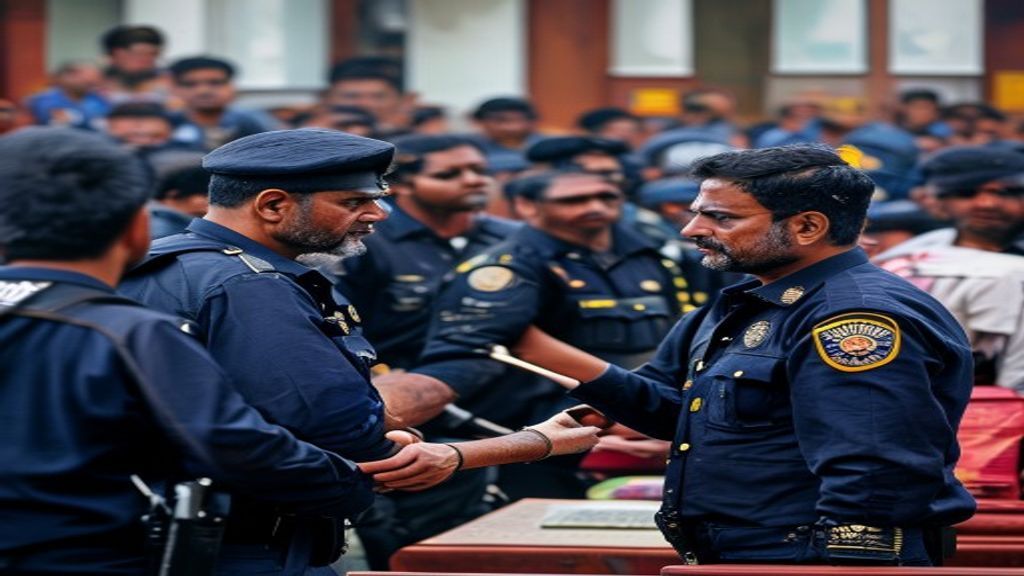
The Rajya Sabha witnessed intense debates on police action against student protesters, igniting a clash between opposition and ruling party leaders. On one side, Mallikarjun Kharge condemned the police's actions, labeling them an assault on democracy. Meanwhile, J.P. Nadda defended the police's response, arguing it was necessary to maintain law and order. This heated exchange highlights the ongoing tensions surrounding the Rajya Sabha police action and its implications for civil rights.
Opposition's Stance on Police Action
The opposition party, led by Kharge, has been vocal in its criticism of the police's handling of student protests. Kharge emphasized that the police action was not just a violation of rights but a direct attack on democratic principles. He called for immediate accountability and urged the government to take responsibility for the actions taken against peaceful demonstrators. This stance reflects a growing concern among opposition leaders regarding the treatment of students and activists in the current political climate.
Furthermore, Kharge's remarks resonated with many who believe that the right to protest is fundamental to democracy. He argued that suppressing dissent undermines the very fabric of a democratic society. The opposition's call for action against police brutality has gained traction, as more voices join the demand for transparency and justice.
Government's Defense of Police Actions
In contrast, J.P. Nadda defended the police's actions as necessary for maintaining public order. He stated that the police acted within their legal rights to prevent unauthorized marches that could disrupt peace. Nadda emphasized that student activists must face consequences when they violate laws designed to protect public safety. His comments reflect the government's stance on balancing civil liberties with the need for law and order.
Moreover, Nadda's defense highlights the complexities involved in managing protests. While the right to protest is protected, the government argues that it must also ensure that such activities do not infringe on the rights of others. This ongoing debate in the Rajya Sabha underscores the challenges faced by lawmakers in addressing the concerns of both protesters and the general public.
Impact of Police Action on Student Activism
The police action against student protesters has sparked a wider conversation about the state of student activism in India. Many students feel that their voices are being stifled, leading to a growing sense of disillusionment. Activists argue that the government's response to protests reflects a broader trend of suppressing dissent. This situation raises critical questions about the future of student activism in the country.
In addition, the impact of these events extends beyond the immediate protests. Students are increasingly concerned about their ability to express dissent without fear of retribution. This climate of fear may discourage future activism, as students weigh the risks of speaking out against government policies. The Rajya Sabha police action has thus become a pivotal moment for student rights and activism in India.
Broader Implications for Democracy
The clash in the Rajya Sabha over police action against students raises significant concerns about the health of democracy in India. Critics argue that the government's approach to dissent could set a dangerous precedent for future protests. If police actions continue to escalate, it may lead to a chilling effect on civil liberties. This situation calls for a careful examination of how democratic principles are upheld in the face of dissent.
Furthermore, the ongoing debates in the Rajya Sabha reflect a broader struggle between the ruling party and opposition forces. As both sides continue to clash over issues of governance and civil rights, the implications for democracy remain profound. The Rajya Sabha police action serves as a critical reminder of the need for dialogue and accountability in a democratic society.
Future of Protests in India
Looking ahead, the future of protests in India may hinge on the outcomes of these debates in the Rajya Sabha. As public sentiment shifts, there is potential for increased activism among students and civil society. The government's response to dissent will likely influence how future protests are organized and perceived.
Moreover, the Rajya Sabha police action could inspire a new generation of activists who are determined to fight for their rights. As students mobilize to advocate for change, the political landscape may evolve in unexpected ways. This dynamic underscores the importance of monitoring developments in the Rajya Sabha and their impact on the broader socio-political environment.
The ongoing clash between Kharge and Nadda in the Rajya Sabha highlights the critical intersection of law enforcement, civil rights, and democratic governance. As these discussions unfold, the implications for student activism and the future of protests in India will continue to be closely watched.
Source: