Supreme Court Orders Bihar to Halt Water Body Filling Projects
NewsSupreme Court Orders Bihar to Halt Water Body Filling Projects
Court warns state against altering historic ponds for beautification efforts
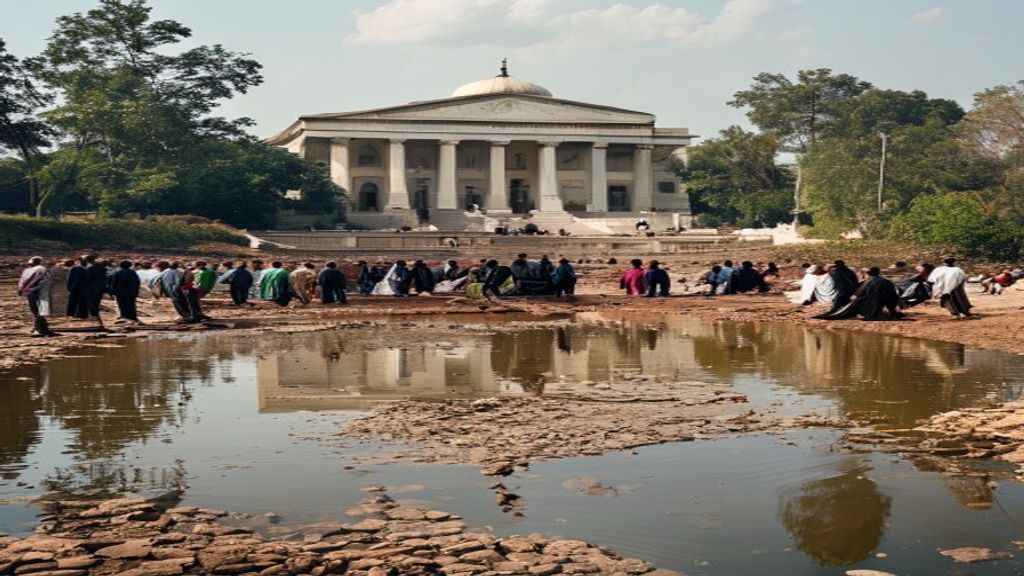
The Supreme Court has intervened to protect Bihar water bodies by ordering the state government to cease filling historic ponds in Darbhanga. This ruling comes in response to allegations that the Bihar government is filling these vital water bodies under the guise of public beautification projects. The court emphasized that no alterations should occur without its explicit approval, highlighting the importance of preserving these natural resources.
The project in question aimed to beautify and rejuvenate several significant water bodies, including Gangasagar, Digghi, and Harahi Lake. However, the Supreme Court's directive underscores the need for careful consideration of environmental impacts before proceeding with such initiatives. The court's ruling serves as a reminder of the delicate balance between development and environmental conservation.
Importance of Preserving Bihar Water Bodies
Bihar water bodies play a crucial role in maintaining the ecological balance and supporting local biodiversity. These ponds not only provide habitat for various species but also serve as essential resources for the surrounding communities. Furthermore, they contribute to groundwater recharge, which is vital for agriculture and drinking water supplies.
In addition to their ecological significance, these historic ponds hold cultural and historical value for the residents of Bihar. Many of these water bodies have been integral to local traditions and practices for generations. Therefore, any efforts to alter or fill them must be approached with caution and respect for their heritage.
Supreme Court's Ruling Details
The Supreme Court's ruling specifically instructs the Bihar government to maintain the integrity of the pond areas. The court has made it clear that any plans to modify these water bodies must be submitted for review and approval. This decision reflects the judiciary's commitment to environmental protection and the preservation of natural resources.
As a result of this ruling, the Bihar government must reassess its beautification plans. The court's warning serves as a critical reminder that environmental considerations must take precedence over development ambitions. The state must now focus on sustainable practices that protect these vital water bodies.
Potential Impact on Local Communities
The decision to halt the filling of Bihar water bodies has significant implications for local communities. Many residents rely on these ponds for fishing, irrigation, and recreational activities. By preserving these water bodies, the court's ruling ensures that local livelihoods remain intact.
Moreover, maintaining the natural state of these ponds can enhance the overall quality of life for residents. Clean and accessible water bodies can improve local tourism and provide recreational opportunities, fostering community engagement and pride. The Supreme Court's intervention thus not only protects the environment but also supports the social and economic well-being of the community.
Future of Beautification Projects in Bihar
Moving forward, the Bihar government must explore alternative approaches to beautification that do not compromise the integrity of its water bodies. Sustainable landscaping, community involvement, and eco-friendly designs can enhance public spaces while preserving the natural environment.
Furthermore, the government should prioritize the restoration and maintenance of existing water bodies rather than filling them. This approach can lead to improved water quality and increased biodiversity, benefiting both the environment and local communities. The Supreme Court's ruling opens the door for innovative solutions that align development goals with ecological preservation.
Conclusion of Legal Proceedings
The Supreme Court's decision marks a significant moment in the ongoing dialogue about environmental protection in India. It reinforces the judiciary's role in safeguarding natural resources against unsustainable development practices. As the Bihar government navigates this legal landscape, it must prioritize the preservation of its water bodies for future generations.
The ruling serves as a precedent for other states facing similar challenges. It highlights the importance of judicial oversight in environmental matters and encourages governments to adopt more sustainable practices. By respecting the court's directive, the Bihar government can lead by example in protecting its natural heritage.
Source: