Lok Sabha Debates Anti-Paper Leak Bill Amid Political Tensions
NewsLok Sabha Debates Anti-Paper Leak Bill Amid Political Tensions
Tensions rise as government and opposition clash over education reforms and student welfare in Lok Sabha debate.
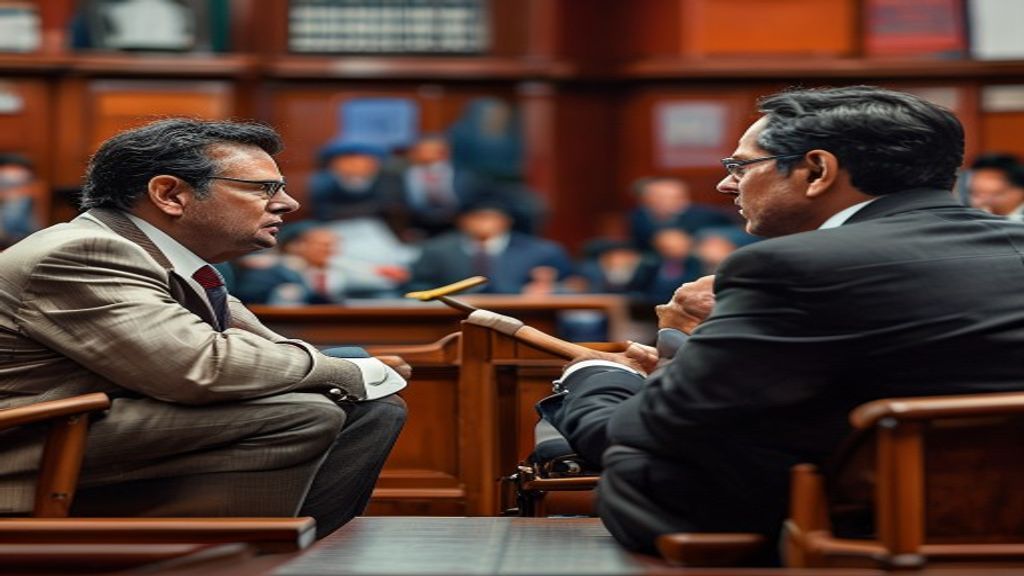
The Lok Sabha is currently engaged in a heated debate over the proposed anti-paper leak bill, aimed at enhancing protections against examination fraud. This legislation comes in response to recent incidents, including the NEET exam leak, which raised significant concerns about the integrity of academic assessments. Union Minister Jitendra Singh introduced the bill, emphasizing the government's commitment to safeguarding student welfare and ensuring fair examination processes.
As discussions unfold, the opposition, particularly the Congress party, has voiced strong criticism regarding the government's approach to student protests and the overall handling of educational reforms. They argue that the government's focus on social media issues detracts from the pressing need for substantial changes in the education sector. This clash highlights the ongoing tensions between the ruling party and opposition members regarding priorities in education policy.
Key Features of the Anti-Paper Leak Bill
The anti-paper leak bill includes several critical provisions designed to deter examination fraud. Firstly, it proposes stricter penalties for individuals involved in leaking examination papers. These penalties aim to serve as a deterrent, ensuring that those who attempt to compromise the integrity of exams face significant consequences. Furthermore, the bill outlines measures to enhance the security of examination materials, including the use of advanced technology to monitor and protect sensitive information.
In addition to punitive measures, the bill emphasizes the importance of transparency in the examination process. By implementing stricter guidelines for the administration of exams, the government aims to restore public confidence in the educational system. This focus on transparency is crucial, especially in light of recent controversies surrounding exam leaks that have undermined trust among students and parents alike.
Opposition's Concerns Over Government Priorities
The opposition has raised concerns about the government's priorities, questioning why social media issues seem to take precedence over urgent educational reforms. Critics argue that while addressing online misinformation is important, it should not overshadow the need for robust policies that protect students from examination fraud. They contend that the government should focus on creating a fair and equitable educational environment rather than diverting attention to less pressing matters.
Moreover, the Congress party has highlighted the need for a comprehensive approach to education reform. They believe that the anti-paper leak bill, while a step in the right direction, does not address the broader systemic issues affecting students. These include inadequate infrastructure, lack of resources, and the need for more inclusive policies that cater to diverse student populations.
Government's Commitment to Student Welfare
In response to the opposition's criticisms, Union Minister Jitendra Singh reiterated the government's commitment to student welfare. He emphasized that the anti-paper leak bill is part of a larger strategy to enhance the educational landscape in India. The government aims to create a safe and secure environment for students, where they can pursue their academic goals without the fear of fraud or malpractice.
Furthermore, Singh highlighted the importance of collaboration between the government and educational institutions. By working together, they can implement effective measures that not only prevent examination fraud but also promote a culture of integrity and excellence in education. This collaborative approach is essential for fostering trust and confidence among students and their families.
The Role of Technology in Preventing Exam Fraud
Technology plays a pivotal role in the fight against examination fraud. The anti-paper leak bill proposes the integration of advanced technological solutions to enhance the security of examination processes. This includes the use of biometric verification, secure online platforms for exam administration, and real-time monitoring systems to detect any irregularities.
As a result, educational institutions can better safeguard against potential leaks and ensure that examinations are conducted fairly. The incorporation of technology not only strengthens the examination process but also aligns with global best practices in education. By embracing innovation, the government aims to create a more resilient and trustworthy educational framework.
Future Implications of the Anti-Paper Leak Bill
The passage of the anti-paper leak bill could have significant implications for the future of education in India. If enacted, it may lead to a more secure examination environment, ultimately benefiting students and educational institutions alike. By reducing the incidence of examination fraud, the government can help restore faith in the integrity of academic assessments.
However, the effectiveness of this legislation will depend on its implementation and the commitment of all stakeholders involved. Continuous monitoring and evaluation will be essential to ensure that the measures outlined in the bill are effectively executed. Additionally, ongoing dialogue between the government and opposition will be crucial in addressing any emerging concerns and ensuring that the educational needs of all students are met.
Source: