Participation Fatigue in Gram Sabhas: A Growing Concern Revealed
NewsParticipation Fatigue in Gram Sabhas: A Growing Concern Revealed
Study reveals challenges in public engagement and suggests solutions for better involvement in local governance.
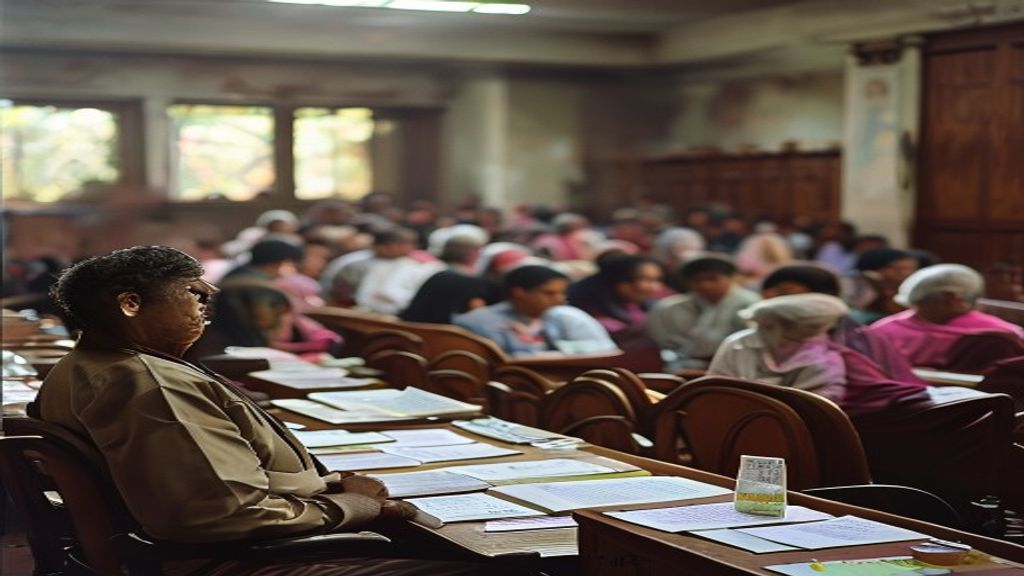
A recent study has brought attention to the issue of Gram Sabha participation fatigue, highlighting the challenges faced by local communities in engaging with these essential governance meetings. This fatigue stems from unresolved grievances and a lack of visible outcomes from previous meetings. Furthermore, livelihood and time constraints significantly hinder public engagement in Gram Sabhas, making it crucial to address these barriers to enhance participation.
Understanding Gram Sabha Participation Fatigue
Gram Sabhas serve as a vital platform for local governance in India, allowing citizens to voice their concerns and influence decision-making. However, the study indicates that many community members feel disillusioned due to repeated discussions on unresolved issues. This sense of frustration contributes to a decline in attendance and active participation. As a result, the effectiveness of Gram Sabhas diminishes, impacting the overall governance process.
In addition, the study points out that time constraints play a significant role in deterring participation. Many individuals struggle to balance their livelihoods with the demands of attending these meetings. Consequently, this leads to a cycle of disengagement, where community members feel their voices are not heard, further exacerbating the issue of participation fatigue.
Key Factors Contributing to Participation Fatigue
Several factors contribute to Gram Sabha participation fatigue, with unresolved grievances being a primary concern. Community members often express frustration over issues that remain unaddressed, leading to a lack of trust in the system. This erosion of trust discourages individuals from attending future meetings, as they perceive little chance of meaningful change.
Moreover, the timing of Gram Sabha meetings can also impact attendance. Many individuals have work commitments that conflict with meeting schedules. As a result, the study recommends implementing livelihood-sensitive scheduling to accommodate the needs of community members. By aligning meeting times with the availability of participants, local governments can foster greater engagement.
Recommendations for Enhancing Participation
To combat Gram Sabha participation fatigue, the study suggests launching awareness missions aimed at educating communities about the importance of their involvement. These missions can help rebuild trust and encourage individuals to participate actively in local governance. Furthermore, providing clear communication about the outcomes of previous meetings can demonstrate the impact of community engagement.
Additionally, strengthening inclusive platforms is essential for improving representation. Women and vulnerable groups often face barriers to participation, and addressing these challenges is crucial. By creating supportive environments that encourage diverse voices, Gram Sabhas can become more effective in addressing the needs of all community members.
The Role of Government in Addressing Fatigue
The ministry responsible for local governance has acknowledged the findings of the study and is committed to implementing its recommendations. By prioritizing strategies that enhance participation, the government aims to revitalize Gram Sabhas and ensure they serve their intended purpose. This commitment includes exploring innovative approaches to engage citizens and address their concerns effectively.
Furthermore, the government plans to collaborate with local organizations to facilitate awareness campaigns. These initiatives will focus on educating communities about their rights and the significance of their participation in Gram Sabhas. By fostering a culture of engagement, the ministry hopes to mitigate participation fatigue and strengthen local governance.
Future Implications for Gram Sabhas
The implications of addressing Gram Sabha participation fatigue extend beyond individual meetings. A more engaged citizenry can lead to improved governance and better outcomes for communities. When individuals feel their voices matter, they are more likely to contribute to discussions and advocate for their needs.
In addition, enhancing participation can lead to more effective decision-making processes. With diverse perspectives represented, Gram Sabhas can address a wider range of issues and develop solutions that reflect the community's needs. This collaborative approach can ultimately strengthen the fabric of local governance and promote sustainable development.
As the government moves forward with implementing the study's recommendations, the focus will remain on creating an inclusive environment that encourages active participation. By addressing the root causes of participation fatigue, Gram Sabhas can become more vibrant and effective platforms for local governance.
Source: News Feed

