Sonam Wangchuk Loses 6 kg in Hunger Strike During CJP Protest
NewsSonam Wangchuk Loses 6 kg in Hunger Strike During CJP Protest
Sonam Wangchuk's hunger strike highlights urgent environmental issues in Ladakh and beyond.
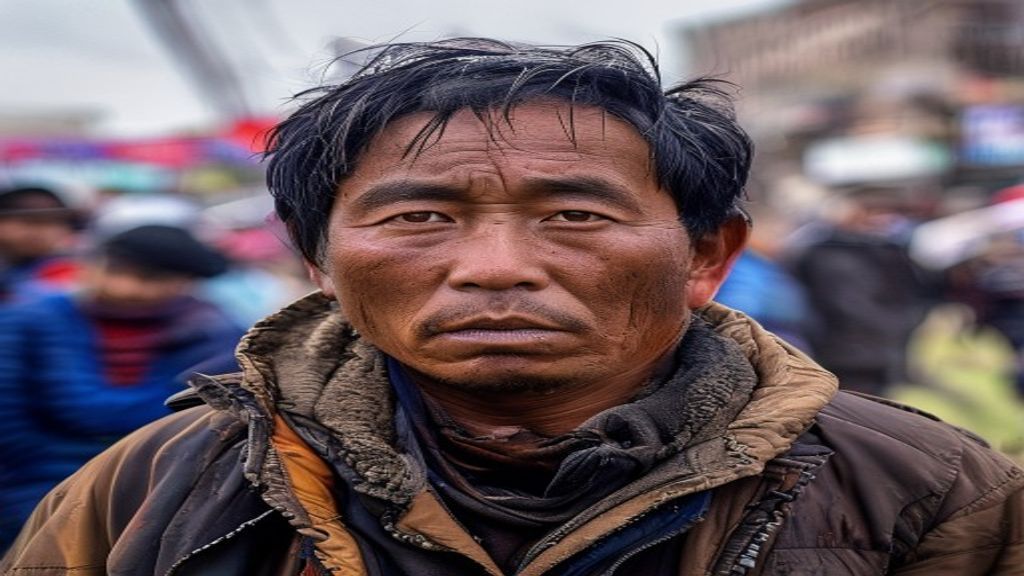
On the 16th day of the CJP protest, renowned environmentalist Sonam Wangchuk has lost 6 kg while on a hunger strike. This protest, taking place in Ladakh, aims to raise awareness about critical environmental issues affecting the region. Wangchuk's commitment to this cause underscores the urgency of addressing climate change and its impact on local communities.
The CJP Protest and Its Significance
The CJP protest, which stands for the Citizens for Justice and Peace, has gained significant attention since its inception. Activists are rallying to highlight the environmental degradation in Ladakh, driven by climate change and unsustainable development practices. Wangchuk, a prominent figure in this movement, emphasizes the need for immediate action to protect the fragile ecosystem of the Himalayas.
Furthermore, the protest aims to unite voices from various sectors, including local communities, environmentalists, and policymakers. The goal is to foster a collaborative approach to combat climate change. As a result, the CJP protest has become a focal point for discussions on sustainable development and environmental justice.
Sonam Wangchuk's Role in the Protest
Sonam Wangchuk is not just an activist; he is a symbol of resilience and determination. His hunger strike has drawn attention to the dire consequences of climate change in Ladakh. By sacrificing his health, Wangchuk hopes to inspire others to take action. His efforts highlight the importance of grassroots movements in addressing global issues.
Moreover, Wangchuk's background as an engineer and educator adds depth to his advocacy. He has long been a proponent of sustainable practices, particularly in education and community development. His involvement in the CJP protest reinforces the idea that local solutions can lead to global change.
The Impact of Climate Change in Ladakh
Ladakh is facing unprecedented challenges due to climate change. Rising temperatures and erratic weather patterns threaten agriculture, water resources, and biodiversity. The CJP protest seeks to bring these issues to the forefront, urging both local and national governments to take action.
In addition, the melting glaciers in the region pose a significant risk to water supply. As these glaciers recede, communities that rely on them for irrigation and drinking water face dire consequences. The CJP protest aims to raise awareness about these critical issues and advocate for sustainable water management practices.
Community Support for the CJP Protest
The CJP protest has garnered widespread support from local communities. Many residents of Ladakh recognize the importance of protecting their environment. They have joined Wangchuk in his hunger strike, demonstrating solidarity and commitment to the cause.
Furthermore, local organizations have rallied to support the protest, organizing events and campaigns to raise awareness. This grassroots movement highlights the power of community engagement in addressing environmental challenges. As a result, the CJP protest has become a beacon of hope for those advocating for sustainable practices in Ladakh.
Future of the CJP Movement
Looking ahead, the CJP protest aims to create lasting change in Ladakh and beyond. Activists are calling for policy reforms that prioritize environmental sustainability. They believe that through collective action, it is possible to mitigate the effects of climate change.
Moreover, the movement seeks to inspire similar protests across the country. By sharing their experiences and strategies, the CJP protest hopes to empower other communities facing environmental challenges. This ripple effect could lead to a broader movement advocating for justice and peace in the face of climate change.
The Role of Media in Raising Awareness
Media coverage plays a crucial role in amplifying the message of the CJP protest. Journalists and news outlets have reported extensively on Wangchuk's hunger strike and the issues at stake. This coverage helps to inform the public and mobilize support for the cause.
In addition, social media platforms have become vital tools for activists. They allow for real-time updates and engagement with a global audience. As a result, the CJP protest has gained traction beyond Ladakh, inspiring individuals worldwide to take action against climate change.
The ongoing CJP protest, led by Sonam Wangchuk, serves as a powerful reminder of the urgent need for environmental action. Through his hunger strike and the support of local communities, Wangchuk is making a significant impact in the fight against climate change.
Source: News Feed

