Delhi Teachers Deployed for Election Duty, Classrooms Suffer
NewsDelhi Teachers Deployed for Election Duty, Classrooms Suffer
Entire teaching staff at two schools assigned to election tasks, raising concerns over student learning and board exams.
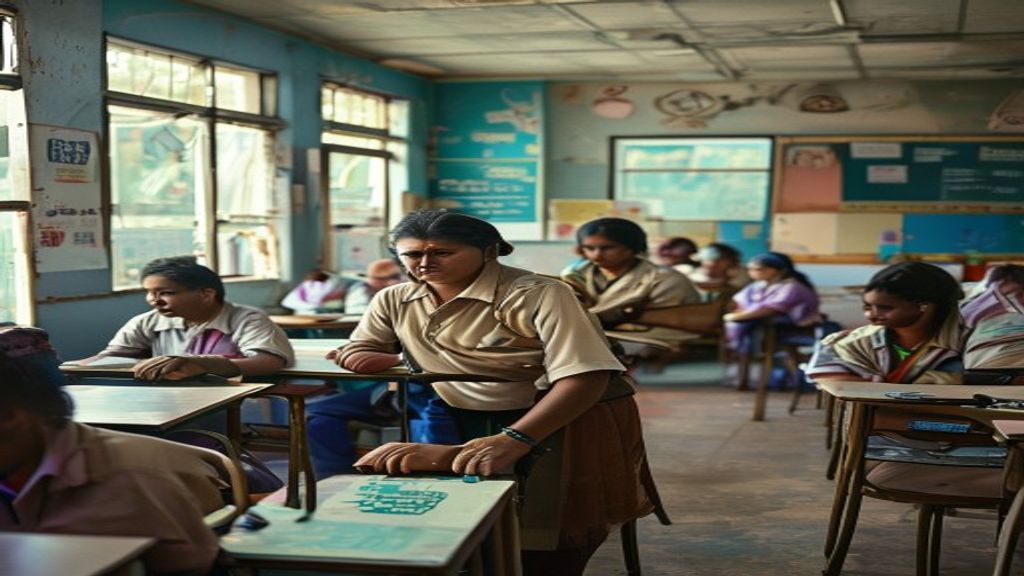
Educators in Delhi are raising alarms as entire teaching staffs at two government schools are assigned to election duty. This deployment of Delhi teachers for election responsibilities leaves guest teachers to manage large classrooms. As a result, students, particularly those preparing for board exams, face significant academic challenges during this critical time.
Impact on Student Learning
The decision to assign Delhi teachers to election duty has sparked widespread concern among parents and educators. With regular teachers absent, guest teachers are left to oversee hundreds of students. This situation inevitably leads to a decline in the quality of education, as guest teachers may not be familiar with the curriculum or the specific needs of the students. Furthermore, the lack of experienced educators in the classroom can hinder students' preparation for important board exams.
In addition, the absence of regular teachers disrupts the continuity of learning. Students thrive on routine and familiar teaching styles. When they are suddenly faced with different instructors, it can create confusion and anxiety. This disruption is particularly detrimental for students in their final years of schooling, who are already under pressure to perform well in their exams.
Teachers' Perspectives on Election Duty
Teachers have voiced their concerns regarding the fairness of deploying them for election duty. Many argue that while they understand the importance of elections, the burden should not fall solely on the education sector. They advocate for a more equitable distribution of duties across various sectors to minimize the impact on students.
Moreover, teachers emphasize that their primary responsibility is to educate. When they are pulled away for election tasks, it compromises their ability to fulfill this duty. The educators are calling for a system that allows for a balanced approach, ensuring that both civic responsibilities and educational commitments are met without sacrificing student learning.
The Role of Guest Teachers
Guest teachers play a crucial role in maintaining educational continuity during such disruptions. However, their effectiveness can be limited due to a lack of familiarity with the students and the curriculum. This situation raises questions about the quality of education that students receive during these periods.
Furthermore, guest teachers may not have the same level of training or experience as regular teachers. This discrepancy can lead to varied teaching methods and classroom management styles, which can confuse students. As a result, the educational experience may suffer, particularly for those who require more support.
Potential Solutions for Educational Disruption
To address the challenges posed by the deployment of Delhi teachers for election duty, several solutions can be considered. One approach is to implement a rotation system, where teachers from different sectors share the responsibility of election duties. This would ensure that no single group bears the brunt of the workload, allowing for a more balanced approach to civic engagement.
Additionally, schools could develop contingency plans that include training for guest teachers. Providing them with resources and support can help maintain educational standards during times of disruption. This could involve creating a streamlined curriculum guide that guest teachers can follow, ensuring that students receive consistent instruction.
The Importance of Balancing Civic Duties and Education
Balancing civic duties with educational responsibilities is essential for the well-being of students. While participating in elections is a vital aspect of democracy, it should not come at the expense of students' academic success. Educators and policymakers must work together to find solutions that uphold both civic engagement and educational integrity.
Furthermore, engaging parents and the community in discussions about these issues can foster a collaborative approach. By raising awareness about the impact of election duty on education, stakeholders can advocate for changes that benefit both teachers and students. This collective effort can lead to a more equitable system that respects the importance of education while fulfilling civic responsibilities.
Conclusion
The deployment of Delhi teachers for election duty has significant implications for student learning and educational quality. As educators advocate for a fair distribution of responsibilities, it is crucial to consider the impact on students, especially those preparing for board exams. By exploring solutions that balance civic duties with educational commitments, stakeholders can work towards a system that supports both democracy and academic success.
Source: