From Welfare to Dependency: The Freebie Trap in Tamil Nadu
NewsFrom Welfare to Dependency: The Freebie Trap in Tamil Nadu
Analyzing the impact of welfare schemes on the state's economy and society
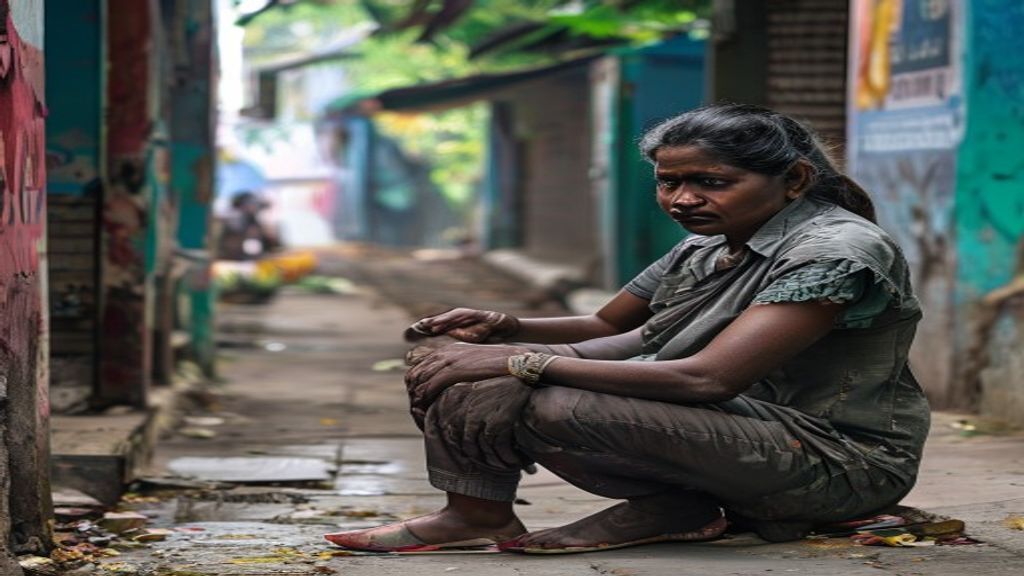
Tamil Nadu has long been recognized for its progressive welfare policies. The state has implemented numerous schemes aimed at uplifting the poor and marginalized. However, a growing concern has emerged regarding the sustainability of these initiatives. Critics argue that the state has fallen into a "freebie trap," where dependence on government handouts undermines self-sufficiency and economic growth.
Welfare Schemes in Tamil Nadu
Tamil Nadu's welfare programs have been extensive. The government has introduced various initiatives, including free education, subsidized food, and cash transfers. These schemes aim to alleviate poverty and improve living standards. For many, these benefits are a lifeline. They provide essential support to families struggling to make ends meet.
The state's commitment to welfare is evident in its budget allocations. A significant portion of the budget is dedicated to social welfare programs. This focus has garnered praise from many quarters. However, it has also raised questions about the long-term implications of such policies.
The Rise of Dependency
While welfare schemes have undoubtedly helped many, they have also fostered a culture of dependency. Many beneficiaries rely heavily on government support. This reliance can discourage individuals from seeking employment or pursuing education. As a result, the cycle of poverty continues.
The freebie trap is particularly concerning among younger generations. Many young people grow up expecting government assistance. This expectation can diminish their motivation to become self-reliant. The long-term effects of this mindset could be detrimental to the state's workforce.
Economic Implications
The economic impact of welfare dependency is significant. As more individuals rely on government support, the burden on the state's finances increases. This situation can lead to budget deficits and reduced funding for essential services. The government may struggle to maintain its welfare programs without adequate revenue.
Moreover, a dependent population can hinder economic growth. When individuals do not actively participate in the workforce, productivity declines. This decline can stifle innovation and entrepreneurship. The state's economy may suffer as a result.
Political Ramifications
The political landscape in Tamil Nadu is also affected by the freebie trap. Political parties often use welfare schemes as a tool to gain votes. Promising new benefits can sway public opinion. This practice creates a cycle where governments feel pressured to expand welfare programs continually.
As a result, political leaders may prioritize short-term gains over long-term sustainability. This approach can lead to a lack of accountability and transparency in governance. The focus shifts from empowering citizens to maintaining a dependent electorate.
Public Opinion
Public sentiment regarding welfare schemes is mixed. Many citizens appreciate the support they receive. They view these programs as essential for their survival. However, there is also a growing awareness of the potential downsides of dependency.
Some citizens express concern about the sustainability of these programs. They worry that the state may not be able to maintain its current level of support. Others argue that the focus should shift from handouts to creating opportunities for self-sufficiency.
The Role of Education
Education plays a crucial role in breaking the cycle of dependency. Access to quality education can empower individuals to improve their circumstances. However, many welfare programs do not adequately address educational needs. Instead, they provide immediate relief without fostering long-term growth.
Investing in education can yield significant returns. By equipping individuals with skills and knowledge, the state can create a more productive workforce. This shift can help reduce reliance on government support and promote economic growth.
Encouraging Employment
Creating job opportunities is essential for reducing dependency. The government must focus on policies that stimulate job creation. This approach includes supporting small businesses and attracting investment. By fostering a vibrant economy, the state can provide individuals with the means to support themselves.
Additionally, vocational training programs can help individuals acquire the skills needed for employment. These initiatives can bridge the gap between education and the job market. By prioritizing employment, the state can empower its citizens and reduce reliance on welfare.
Balancing Welfare and Self-Sufficiency
Finding the right balance between welfare and self-sufficiency is crucial. The government must ensure that support programs do not create dependency. Instead, these programs should aim to empower individuals to become self-reliant.
One approach is to implement conditional cash transfers. These programs provide financial assistance but require beneficiaries to meet specific criteria. For example, individuals may need to pursue education or participate in job training. This strategy encourages personal responsibility while still offering support.
Community Involvement
Community involvement is vital in addressing the freebie trap. Local organizations can play a significant role in empowering individuals. By providing resources and support, these organizations can help individuals transition from dependency to self-sufficiency.
Engaging communities in the development of welfare programs can also enhance their effectiveness. When citizens have a say in the programs that affect their lives, they are more likely to take ownership of their circumstances. This involvement can foster a sense of responsibility and encourage individuals to seek opportunities.
The Future of Welfare in Tamil Nadu
As Tamil Nadu navigates the challenges of welfare dependency, the future of its programs remains uncertain. The state must carefully consider the implications of its policies. Striking a balance between providing support and encouraging self-sufficiency is essential.
The government faces the challenge of reforming welfare programs while maintaining public support. This task requires transparency and accountability. By engaging citizens in the conversation, the state can create a more sustainable welfare system.
Ultimately, the goal should be to empower individuals rather than create dependency. By focusing on education, employment, and community involvement, Tamil Nadu can work towards a future where citizens are self-reliant and economically active.
Source: