US Warships Blockade Hormuz Amid Protests in Noida Over Wages
NewsUS Warships Blockade Hormuz Amid Protests in Noida Over Wages
Tensions rise as US warships move to blockade Hormuz while Noida faces violent protests over wage demands.
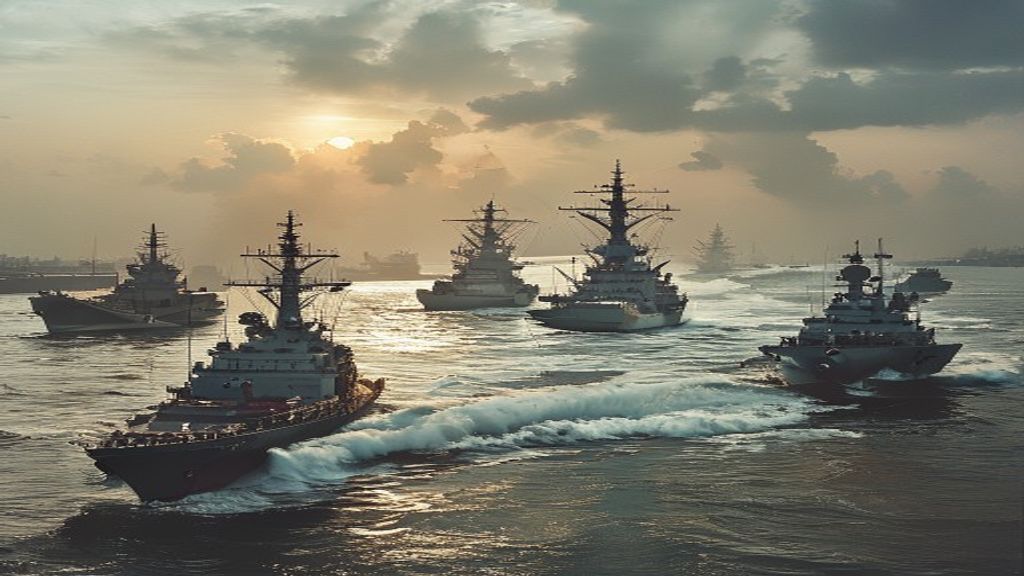
In a significant escalation of military presence, US warships are moving to blockade the Strait of Hormuz, a vital waterway for global oil shipments. This action comes amid rising tensions in the region, particularly following recent threats from Iran. Meanwhile, in Noida, India, violent protests erupted as workers demanded higher wages, highlighting ongoing labor disputes in the area.
US Warships Blockade Hormuz
The US warships blockade Hormuz is a strategic maneuver aimed at ensuring the free flow of oil through this critical passage. The Strait of Hormuz is responsible for approximately 20% of the world's oil supply, making it a focal point for international trade. As tensions between the US and Iran escalate, the deployment of these warships serves as a warning against any potential disruptions.
Furthermore, the US government has emphasized the importance of maintaining security in the region. Officials argue that the blockade is necessary to deter hostile actions that could threaten maritime navigation. This military presence is expected to remain in the area as long as the threat level persists.
Impact on Global Oil Markets
The US warships blockade Hormuz could have significant implications for global oil markets. Analysts predict that increased military activity in the region may lead to fluctuations in oil prices. If shipping routes are threatened, the cost of oil could rise sharply, impacting economies worldwide.
In addition, the blockade may prompt other nations to reconsider their shipping routes. Countries reliant on oil imports from the Gulf region might seek alternative pathways to avoid potential disruptions. This shift could reshape global trade dynamics in the coming months.
Protests Erupt in Noida
In a separate development, Noida has witnessed violent protests as workers demand higher wages. The unrest began when laborers expressed dissatisfaction with their current pay rates, leading to clashes with law enforcement. The protests have drawn attention to the broader issue of labor rights in India.
Moreover, the situation in Noida reflects a growing trend of labor activism across the country. Workers are increasingly vocal about their demands for fair wages and better working conditions. As a result, the government may face pressure to address these issues to prevent further unrest.
Government Response to Protests
The government has responded to the protests in Noida by deploying additional police forces to maintain order. Officials have urged workers to engage in dialogue rather than resorting to violence. However, many protesters remain steadfast in their demands for higher wages and improved labor rights.
Meanwhile, labor unions are rallying support for the workers, emphasizing the need for fair compensation. They argue that the rising cost of living necessitates wage increases to ensure workers can sustain their families. This situation highlights the ongoing struggle for economic justice in India.
Regional Tensions and Global Reactions
The US warships blockade Hormuz has drawn reactions from various countries. Some nations have expressed concern over the potential for conflict, urging diplomatic solutions instead of military action. The international community is closely monitoring the situation, as any escalation could have far-reaching consequences.
Furthermore, regional allies of the US have voiced support for the blockade, citing the need for stability in the Gulf. However, critics argue that military presence may exacerbate tensions with Iran. As a result, the situation remains precarious, with potential for both conflict and cooperation.
Future Implications of Military Presence
The long-term implications of the US warships blockade Hormuz are still uncertain. Military experts suggest that sustained naval presence could deter aggression from hostile nations. However, it may also provoke retaliatory actions, leading to a cycle of escalation.
In addition, the situation in Noida may influence labor movements across India. As workers continue to advocate for their rights, the government may need to implement reforms to address wage disparities. This could lead to a more equitable labor market, benefiting both workers and the economy.
Overall, the developments in Hormuz and Noida underscore the interconnectedness of global events. As military and labor tensions rise, the world watches closely, anticipating the next steps from both the US and Indian governments.
Source: