US Military Presence in the Caribbean: Aiming for Venezuela’s Mad
NewsUS Military Presence in the Caribbean: Aiming for Venezuela's Maduro
Analyzing the motives behind increased military operations near Venezuela
India, December 2, 2025, Tuesday, 2025
India, October 25, 2023, Wednesday, 2023
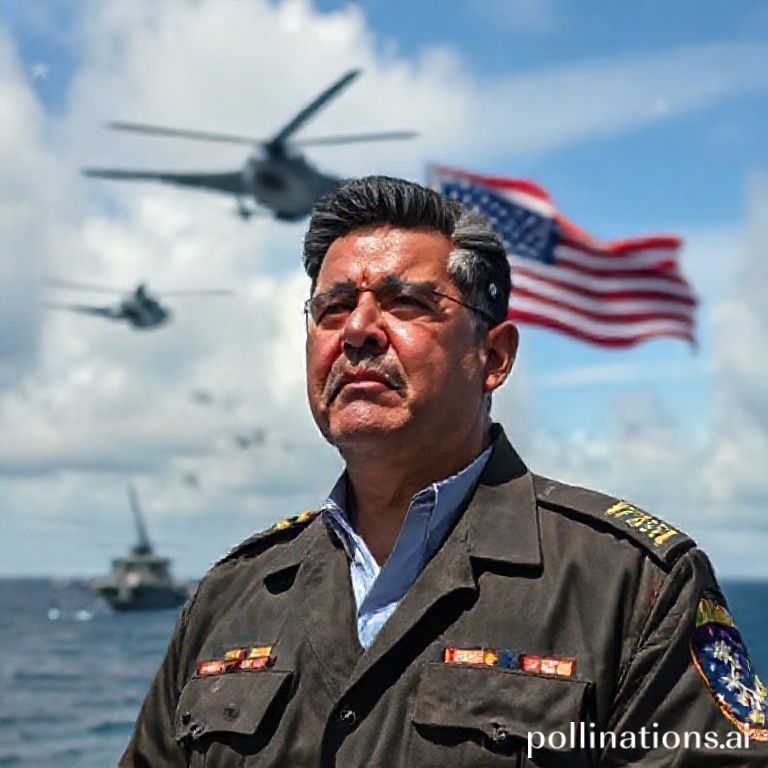
The United States has ramped up its military activities in the Caribbean region. This escalation includes the deployment of warships and aircraft near Venezuela. Officially, the U.S. government cites a war on narco-terrorism as the primary reason for this increased presence. However, the scale of the operation raises questions about its true intentions. Many analysts believe that the U.S. strategy may extend beyond combating drug trafficking, hinting at a potential regime change in Caracas.
Military Deployment and Operations
The U.S. military has positioned several naval vessels and aircraft in the Caribbean Sea. This deployment is part of a broader initiative to combat drug trafficking and organized crime in the region. The U.S. Southern Command has stated that these operations aim to disrupt the flow of narcotics from South America to the United States. They argue that Venezuela serves as a significant transit point for these illegal drugs.
However, the sheer scale of the military presence has led to skepticism. Critics argue that the operations appear disproportionate to the stated goal of fighting drug trafficking. The number of assets deployed and the intensity of the operations suggest a more extensive agenda. This has led to speculation that the U.S. may be using the drug war as a pretext for a more aggressive stance against the Venezuelan government.
Questionable Drug Seizure Data
The U.S. government has released data on drug seizures in the region. However, many experts have questioned the accuracy and reliability of these figures. Some analysts suggest that the reported successes in drug interdiction may be exaggerated. This raises concerns about the motivations behind the military operations. If the data is indeed inflated, it could indicate that the U.S. is using the drug war narrative to justify its military presence.
The implications of this are significant. If the U.S. is not genuinely focused on combating drug trafficking, it suggests a more strategic objective. This could involve undermining the Maduro regime and supporting opposition forces within Venezuela. Such a move would align with the U.S. government's long-standing policy of promoting regime change in countries it views as adversaries.
Geopolitical Context
The situation in Venezuela is complex and deeply intertwined with global geopolitics. The country is rich in oil reserves, making it a focal point for international interests. The U.S. has historically sought to influence Venezuela's political landscape, particularly since the rise of Hugo Chávez in the late 1990s. Chávez's socialist policies and alignment with countries like Russia and China have made Venezuela a target for U.S. intervention.
In recent years, the Maduro government has faced increasing pressure from both domestic and international actors. Economic collapse, hyperinflation, and widespread protests have weakened Maduro's grip on power. The U.S. has imposed sanctions aimed at crippling the Venezuelan economy, further exacerbating the crisis. These sanctions have targeted key sectors, including oil, which is vital for the country's revenue.
The Role of Regional Allies
The U.S. military presence in the Caribbean also reflects a broader strategy of collaboration with regional allies. Countries like Colombia and Brazil have been key partners in the fight against drug trafficking. The U.S. has provided military assistance and training to these nations, enhancing their capabilities to combat organized crime.
This collaboration extends beyond drug enforcement. The U.S. has also supported opposition groups in Venezuela, providing them with resources and training. This support has been controversial, with critics arguing that it undermines Venezuela's sovereignty. Nonetheless, the U.S. continues to view regime change in Caracas as a strategic priority.
Public Perception and Political Ramifications
The American public's perception of the military presence in the Caribbean is mixed. Some support the initiative, viewing it as a necessary step to combat drug trafficking and protect national security. Others are wary of potential military overreach and the implications of another foreign intervention.
Political leaders are also divided on the issue. Some advocate for a more aggressive stance against Maduro, arguing that the U.S. must take decisive action to restore democracy in Venezuela. Others caution against military involvement, emphasizing the need for diplomatic solutions. This division reflects broader debates about U.S. foreign policy and the role of military intervention in achieving national objectives.
International Reactions
The international community is closely monitoring the situation. Countries like Russia and China have expressed concern over U.S. military activities in the region. They view these actions as provocative and indicative of a broader strategy to undermine their influence in Latin America. This geopolitical rivalry adds another layer of complexity to the situation in Venezuela.
In response to U.S. actions, the Maduro government has sought to strengthen its alliances with countries opposed to U.S. hegemony. This includes deepening ties with Russia and China, both of which have provided economic and military support to Venezuela. The Maduro regime has framed the U.S. military presence as an imperialist threat, rallying domestic support against foreign intervention.
Future Implications
The ongoing military operations in the Caribbean raise important questions about the future of U.S.-Venezuela relations. As the U.S. continues to assert its military presence, the potential for escalation remains. The situation is fluid, with developments occurring rapidly.
The implications of these actions extend beyond Venezuela. They could reshape the geopolitical landscape in Latin America, influencing the dynamics of power and alliances in the region. As the U.S. navigates this complex situation, the stakes are high, both for Venezuela and for broader U.S. foreign policy objectives.
Source:

