US Tightens Employment Visa Landscape: Work Permit Rule Change and
News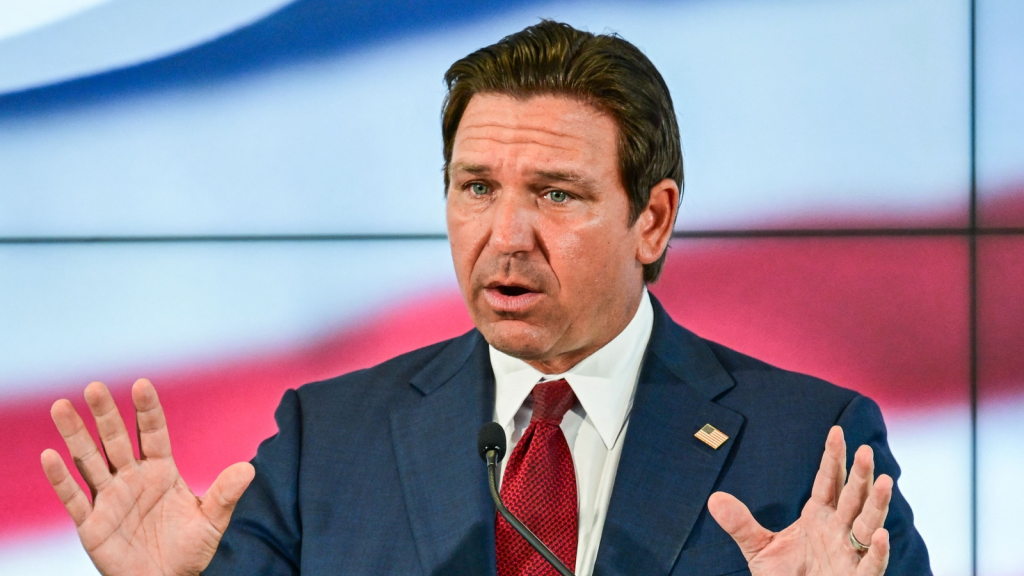
A simultaneous shake-up by the Department of Homeland Security (DHS) ending automatic employment-authorisation-document (EAD) extensions and Ron DeSantis issuing a state-level halt on H-1B hiring in Florida universities marks a new phase in U.S. foreign-skilled-worker policy.
Washington D.C. / Miami | October 30, 2025
In a significant escalation of U.S. immigration and labour-policy enforcement, the Department of Homeland Security (DHS) has issued an interim final rule eliminating automatic extensions of Employment Authorisation Documents (EADs) for certain foreign-national workers — and in parallel, Florida Governor Ron DeSantis has issued a state-level directive aimed squarely at the H-1B visa programme, accusing it of undermining American jobs.
Under the new DHS rule, effective October 30, 2025, foreign nationals whose work permits expire while renewal applications remain pending will no longer benefit from the prior automatic extension of up to 540 days. The rule requires that the work authorisation cease once the current permit expires if the renewal remains unapproved. DHS officials say the change is intended to bolster screening and national-security safeguards, and to ensure timely application of the law.
The ripples of this policy shift are already intense, particularly among Indian nationals, who represent a substantial portion of the U.S. skilled-workforce pipeline and are often subject to lengthy green-card and visa delays. Immigration-law practitioners warn that even small processing delays could now translate into immediate job-loss risk: “Almost everyone will lose work authorisation if their renewal isn’t approved before their current card expires,” said one attorney.
The work-permit rule change comes amid a broader tightening of employment-visa regimes. The H-1B programme, designed to allow U.S. employers to hire foreign workers in “specialty occupations,” has long been the subject of debate. In recent months, Governor Ron DeSantis of Florida has stepped into the spotlight, labeling the H-1B system “a scam” and part of a so-called “cottage industry” of foreign-labour substitution.
On October 29, 2025, the Florida governor directed the state’s Board of Governors to cease hiring foreign nationals under H-1B visas in its public university system, insisting taxpayer-funded institutions prioritise American workers. “Universities across the country are importing foreign workers on H-1B visas instead of hiring Americans who are qualified and available to do the job … We will not tolerate H-1B abuse in Florida institutions,” his office declared.
Though the directive is state-level, not federal, and universities operate under federal visa law, the move signals a hardening political posture toward foreign skilled workers in key U.S. sectors such as technology, research and higher education.
Why this matters.
The confluence of the DHS work-permit rule and Florida’s H-1B stance suggests a multi-pronged strategy: tightening visa-renewal cushion, raising the cost and administrative burden for foreign-worker programmes, and putting state-level pressure on institutions hiring under those programmes. For employees, sponsors and universities alike, this is a wake-up call that policy risk is mounting.
From the employers’ perspective, the loss of the automatic extension removes a buffer that has allowed many foreign workers to continue in their roles despite long processing times at U.S. Citizenship and Immigration Services (USCIS). Processing times currently range from three to twelve months, meaning the risk of a lapse is now far greater. It also places renewed emphasis on early filing (USCIS now recommends filing up to 180 days in advance) to avoid disruptions.
For foreign nationals, particularly those on H-1B, H-4, OPT/STEM extensions or waiting for adjustment of status, the increased uncertainty is acute. The change may force decisions about job continuity, relocation or alternative visa paths — and may exert additional pressure on immigrant-talent strategies in STEM-heavy fields.
For institutions in Florida, the governor’s directive signals potential changes in hiring practices, internal compliance and talent sourcing. While the state cannot directly override federal visa law, it can shift funding priorities, contract terms and institutional governance, all of which may discourage reliance on H-1B workers. Universities in Florida such as the University of Florida and the University of South Florida had already employed several hundred H-1B visa holders across faculty and research roles.
What to watch next.
- Processing delays & job disruptions: Because USCIS processing times remain lengthy, the elimination of the automatic 540-day extension exposes workers to risk of immediate job-loss if renewal lags. Attorneys caution companies to proactively manage filings and contingency planning.
- Congressional reform efforts: In parallel, bipartisan lawmakers have reintroduced legislation targeting H-1B and L-1 visa reforms — including wage-floor increases, public job-posting requirements and narrower eligibility rules. These reforms, if enacted, could further shift the visa landscape beyond administrative rule changes.
- Employer cost and behaviour changes: The looming prospect of higher costs, burdensome filings and reputational scrutiny may drive employers to reconsider reliance on foreign-skilled labour or accelerate domestic-talent development initiatives.
- State-level actions ripple out: Florida’s stance may inspire similar actions in other states or institutions, creating a patchwork of policy pressures that extend beyond federal visa rules.
- Talent-pipeline implications: For countries such as India, which supply a large share of H-1B visa holders, the tightening of rules and increased job risks raise concerns for talent mobility, career planning and employer hiring strategies.
Source:

