Sunali’s Hemoglobin Level Low, Doctors Advise Blood Transfusion
NewsSunali's Hemoglobin Level Low, Doctors Advise Blood Transfusion
Urgent medical intervention needed for 10-year-old girl
India, December 4, 2025, Thursday, 2025
India, October 10, 2023, Tuesday, 2023
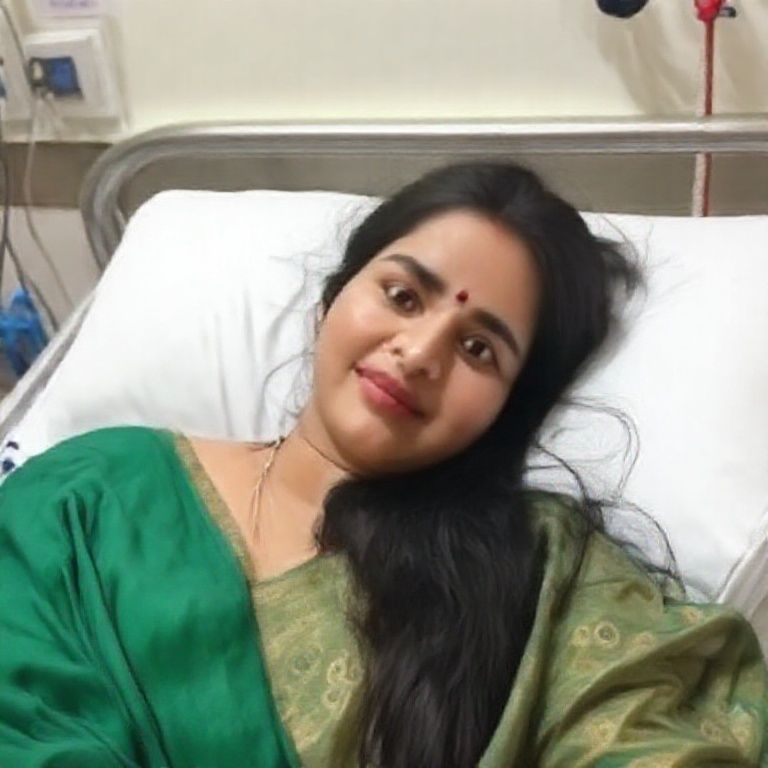
Sunali, a 10-year-old girl from a small town in India, has been diagnosed with critically low hemoglobin levels. Medical professionals have recommended an urgent blood transfusion to address her condition. This alarming situation has raised concerns among her family and the local community.
Understanding Hemoglobin Levels
Hemoglobin is a vital protein in red blood cells. It carries oxygen from the lungs to the rest of the body. Normal hemoglobin levels for children typically range from 11.5 to 15.5 grams per deciliter. Sunali's recent tests revealed her levels had dropped to a concerning 7 grams per deciliter. This significant deficiency can lead to severe health complications.
Symptoms and Diagnosis
Sunali began showing symptoms of fatigue and weakness several weeks ago. Her parents initially attributed this to her busy school schedule. However, as her condition worsened, they sought medical advice. Doctors conducted a series of blood tests and confirmed the low hemoglobin levels.
The medical team explained that low hemoglobin can result from various factors, including nutritional deficiencies, chronic diseases, or genetic disorders. In Sunali's case, doctors suspect a combination of dietary issues and possible underlying health conditions.
The Importance of Blood Transfusion
A blood transfusion is a common procedure used to treat low hemoglobin levels. It involves transferring blood or blood components from a donor to a patient. This process can quickly restore hemoglobin levels and improve oxygen delivery throughout the body.
Doctors emphasized that timely intervention is crucial. Without a transfusion, Sunali risks developing more severe symptoms, such as shortness of breath, dizziness, and even heart complications. The medical team is preparing for the procedure, ensuring all safety protocols are in place.
Family's Response
Sunali's family is understandably anxious about the situation. Her mother expressed her worries, stating, "We never thought our daughter would face such a serious health issue. We are grateful for the doctors' support." The family is working closely with healthcare providers to ensure Sunali receives the best possible care.
Community Support
The local community has rallied around Sunali and her family. Neighbors and friends have offered assistance, whether through emotional support or helping with logistics. Fundraising efforts have also begun to cover medical expenses. Community members are coming together, showcasing the spirit of solidarity in times of crisis.
Nutritional Awareness
This incident has sparked discussions about nutrition and health in the community. Many parents are now more aware of the importance of a balanced diet for their children. Doctors are emphasizing the need for iron-rich foods, such as leafy greens, legumes, and fortified cereals. They are also encouraging regular health check-ups to monitor children's well-being.
Potential Causes of Low Hemoglobin
Several factors can contribute to low hemoglobin levels in children. Iron deficiency is the most common cause. It often results from inadequate dietary intake or poor absorption of iron. Other potential causes include chronic illnesses, such as kidney disease or infections. Genetic conditions, like thalassemia, can also lead to low hemoglobin levels.
Healthcare professionals are advising parents to be vigilant about their children's health. Regular screenings can help detect issues early, allowing for timely intervention.
Future Steps
Following the blood transfusion, Sunali will require ongoing monitoring. Doctors will conduct follow-up tests to assess her hemoglobin levels and overall health. They will also provide guidance on dietary changes and lifestyle adjustments to prevent future occurrences.
The medical team is optimistic about Sunali's recovery. With proper care and support, they believe she will regain her strength and vitality.
Community Health Initiatives
In light of Sunali's situation, local health authorities are planning initiatives to promote awareness about anemia and its prevention. Workshops and seminars will be organized to educate families about nutrition and health. These efforts aim to reduce the incidence of low hemoglobin levels among children in the region.
The community's response to Sunali's condition highlights the importance of collective action in addressing health issues. By working together, families can create a healthier environment for their children.
In summary, Sunali's case serves as a reminder of the critical role of nutrition and health monitoring in children's lives. The support from her family and community underscores the importance of solidarity during challenging times. As Sunali prepares for her blood transfusion, hope remains high for her recovery and future health.
Source:

