Trust Deficit in Ladakh: Sonam Wangchuk Urges Timely Government Ac
NewsTrust Deficit in Ladakh: Sonam Wangchuk Urges Timely Government Action
Activist Sonam Wangchuk warns of social discord amid stalled talks with the government.
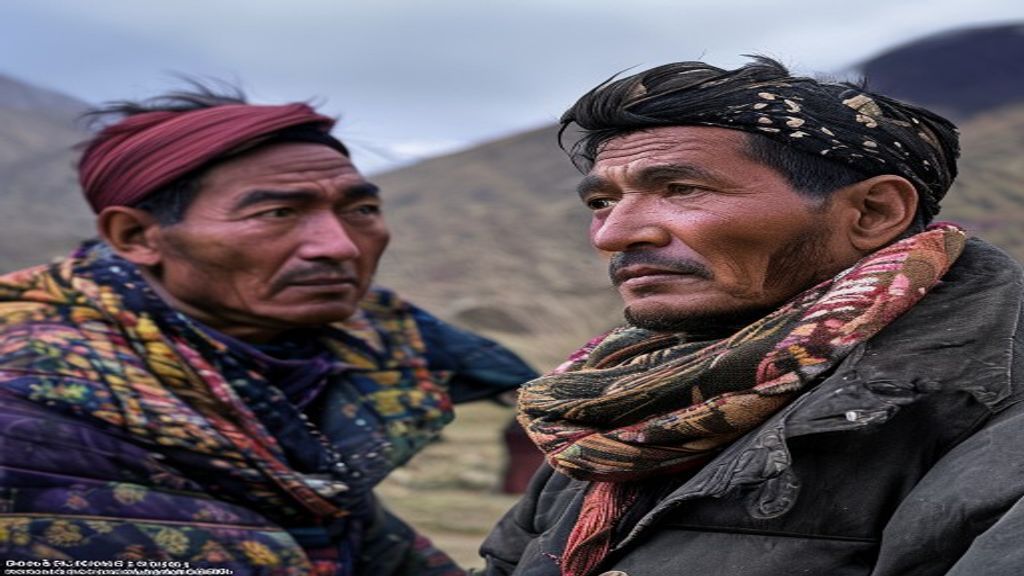
Ladakh activist Sonam Wangchuk has raised concerns about a growing trust deficit in Ladakh due to stalled talks with the Indian government. Over two months have passed since the last dialogue, leaving many in the region feeling disillusioned. Wangchuk emphasizes the urgent need for action from Prime Minister Narendra Modi and Home Minister Amit Shah to address the community's demands for statehood and Sixth Schedule status.
The ongoing trust deficit in Ladakh has led to increasing tensions among residents. Many fear that without timely intervention, social discord could escalate. Wangchuk's previous release had sparked optimism for constructive discussions, but the lack of a set date for the next round of talks has left many feeling abandoned.
Growing Discontent in Ladakh
The trust deficit in Ladakh is not just a political issue; it has profound social implications. Residents express frustration over the government's inaction regarding their demands. As a result, many community leaders are calling for immediate dialogue to prevent further divisions.
Furthermore, the absence of communication from the government has fueled speculation and mistrust. Many locals worry that their voices are not being heard, which could lead to unrest. Wangchuk's warnings highlight the need for the government to engage with the community actively.
The Importance of Statehood
One of the primary demands from Ladakh residents is statehood. Activists argue that statehood would provide greater autonomy and better governance. The trust deficit in Ladakh stems from a belief that the central government has not prioritized the region's unique needs.
In addition, the Sixth Schedule status is crucial for preserving the cultural identity of Ladakh. This status would grant the region more control over its resources and governance. Wangchuk insists that these demands are not just political but essential for the community's survival.
The Role of Dialogue
Dialogue plays a critical role in bridging the trust deficit in Ladakh. Open communication between the government and local leaders can foster understanding and cooperation. However, the prolonged silence from the government has raised concerns about its commitment to resolving the issues at hand.
Moreover, Wangchuk's call for timely action is a reminder that the government must prioritize these discussions. Engaging with the community can help alleviate fears and build a foundation for trust.
Risks of Social Discord
The potential for social discord in Ladakh is a pressing concern. As frustrations mount, the risk of protests and unrest increases. Wangchuk warns that if the government does not act soon, the situation could spiral out of control.
Meanwhile, community leaders are mobilizing to ensure that their voices are heard. They are organizing meetings and discussions to prepare for potential negotiations. The trust deficit in Ladakh could lead to significant consequences if not addressed promptly.
The Path Forward
To mend the trust deficit in Ladakh, the government must take proactive steps. This includes setting a date for the next round of talks and addressing the community's demands seriously. Wangchuk believes that a collaborative approach can pave the way for a more harmonious relationship between the government and the people of Ladakh.
Furthermore, the government should consider establishing a dedicated task force to focus on the unique challenges faced by Ladakh. This initiative could demonstrate a genuine commitment to resolving the ongoing issues and rebuilding trust.
The situation in Ladakh remains delicate, and the need for timely action is more critical than ever. As the community awaits a response from the government, the hope for a constructive dialogue continues to linger.
Source:
