Trump’s Rice Tariffs Threat May Not Affect Indian Exports Signifi
NewsTrump's Rice Tariffs Threat May Not Affect Indian Exports Significantly
Experts View Move as a Negotiation Tactic Amid Trade Talks
India, December 10, 2025, Wednesday, 2025
India, October 10, 2023, Tuesday, 2023
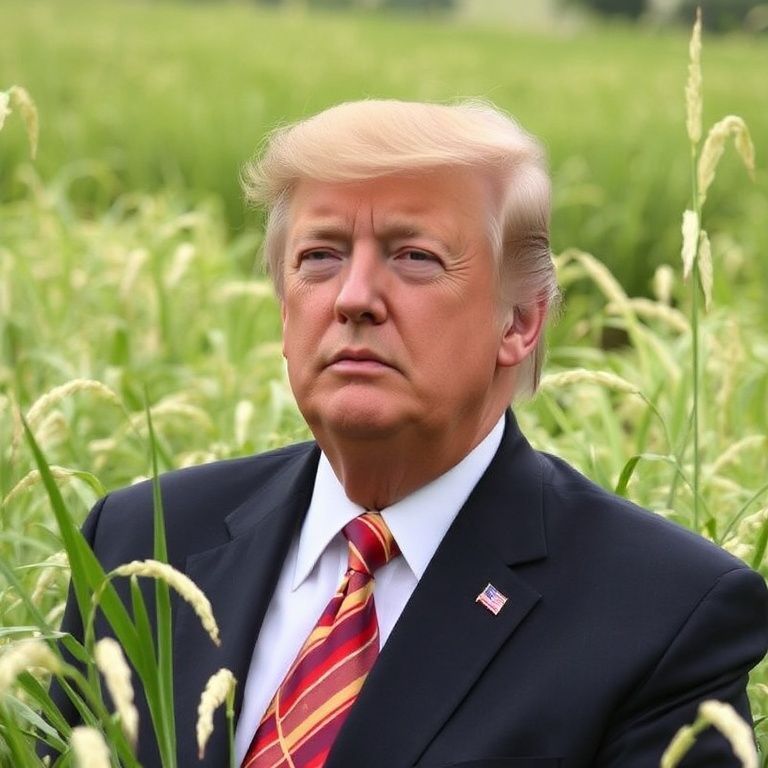
US President Donald Trump has recently threatened to impose new tariffs on rice imports. However, experts believe this move is unlikely to have a significant impact on India's rice exports. The reason lies in the current dynamics of global rice trade and the existing tariff structures.
Current Export Landscape
India is one of the largest rice exporters in the world. However, its exports to the United States represent only a small fraction of its total sales. In 2022, India exported approximately 18 million tons of rice globally, but only about 1% of that reached the US market. This limited exposure means that any new tariffs imposed by the US may not drastically affect India's overall rice export figures.
Moreover, Indian rice already faces high import duties in the US. Currently, the US imposes a 25% tariff on basmati rice, which is the primary variety exported from India. This existing tariff structure has already created a barrier for Indian rice in the US market. As a result, the potential for further tariffs may not deter Indian exporters significantly.
Negotiation Tactics
Experts suggest that Trump's threat may be more of a negotiation tactic than a genuine policy shift. The US and India are currently engaged in discussions to finalize a trade deal. In this context, Trump's announcement could be aimed at leveraging negotiations to achieve more favorable terms for the US.
India has been pushing for the removal of existing tariffs on its agricultural products, including rice. The Indian government has been actively seeking to enhance its trade relationship with the US. In this light, Trump's threat might serve as a bargaining chip in the ongoing trade discussions.
Impact on Indian Farmers
While the immediate impact on exports may be limited, Indian farmers could still feel the effects of such threats. The rice market is sensitive to global price fluctuations. If the US imposes new tariffs, it could lead to a ripple effect in the global market, potentially affecting prices.
Farmers in India rely heavily on rice exports for their income. Any significant changes in global demand or pricing could impact their livelihoods. However, the current situation suggests that the threat of new tariffs may not lead to drastic changes in the market.
Global Rice Market Dynamics
The global rice market is influenced by various factors, including weather conditions, production levels, and international demand. Countries like Thailand and Vietnam also play significant roles in the rice export market. Their pricing and production levels can affect India's competitiveness.
In recent years, India has maintained a competitive edge due to its lower production costs. This advantage allows Indian rice to remain attractive in international markets, even with existing tariffs. The potential for new tariffs may not be enough to shift this balance significantly.
Trade Relations Between India and the US
The trade relationship between India and the US has been evolving over the years. Both countries have sought to strengthen their economic ties. However, challenges remain, particularly in the agricultural sector.
India has been advocating for greater access to the US market for its agricultural products. In response, the US has expressed concerns about food safety and quality standards. These discussions are crucial in shaping the future of trade between the two nations.
The Role of Diplomacy
Diplomatic efforts play a vital role in resolving trade disputes. Both countries have engaged in dialogues to address their concerns. The recent threats from Trump may prompt renewed discussions on tariffs and trade barriers.
India's government is likely to respond strategically to these developments. Engaging in diplomatic talks can help mitigate potential impacts on rice exports. By addressing the concerns raised by the US, India can work towards a more favorable trade environment.
Future Outlook
As the trade negotiations continue, the future of rice exports from India to the US remains uncertain. The potential for new tariffs adds a layer of complexity to the discussions. However, experts remain optimistic about India's position in the global rice market.
The resilience of Indian farmers and exporters will be tested in the coming months. They will need to adapt to changing market conditions and navigate the challenges posed by international trade policies.
In summary, while Trump's threat of new rice tariffs may raise concerns, the actual impact on Indian exports is expected to be minimal. The ongoing trade negotiations will play a crucial role in shaping the future of rice trade between India and the US.
Source:

