Concerns Rise as Trump Considers F-35 Sale to Saudi Arabia
NewsConcerns Rise as Trump Considers F-35 Sale to Saudi Arabia
India Voices Alarm Over Potential Shift in Regional Military Balance
India, November 18, 2025, Tuesday, 2025
India, October 5, 2023, Thursday, 2023
The prospect of former President Donald Trump selling F-35 fighter jets to Saudi Arabia has raised significant concerns in India. The advanced military technology associated with the F-35 could alter the balance of power in the Middle East, prompting apprehension in New Delhi. As India navigates its own security challenges, the implications of such a deal warrant careful examination.
Strategic Implications for India
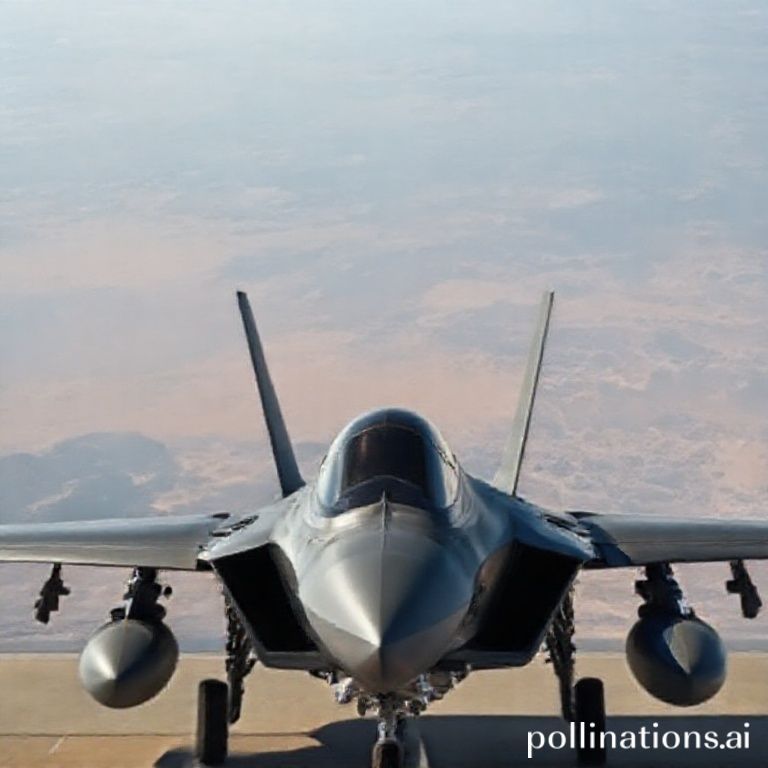
The F-35 is one of the most advanced fighter jets in the world. Its stealth capabilities and cutting-edge technology make it a formidable asset in any military arsenal. If Saudi Arabia acquires these jets, it could enhance its air power significantly. This development could shift the regional military dynamics, particularly concerning Iran and other neighboring countries.
India has long been wary of Saudi Arabia's growing military capabilities. The Gulf nation has been expanding its defense procurement in recent years, and the addition of F-35s would further bolster its position. For India, this raises alarms about the potential for increased aggression in the region, especially given the historical tensions between Saudi Arabia and Iran.
The U.S. and Its Allies
The United States has traditionally been a key ally of both India and Saudi Arabia. However, the potential sale of F-35s to Saudi Arabia could complicate this relationship. India has been working to strengthen its defense ties with the U.S., particularly in the context of countering China's influence in the Indo-Pacific region. A shift in U.S. policy that favors Saudi Arabia could create friction in U.S.-India relations.
Moreover, the U.S. has been cautious about the proliferation of advanced military technology. The sale of F-35s to Saudi Arabia would not only impact regional stability but could also set a precedent for other nations seeking similar capabilities. This could lead to an arms race in the Middle East, further complicating India's security landscape.
Regional Reactions
India is not the only country concerned about the potential sale. Iran has already expressed its discontent, warning that such a move would escalate tensions in the region. Iranian officials have stated that they would take necessary measures to counter any perceived threats from Saudi Arabia's enhanced military capabilities.
Other countries in the region are also closely monitoring the situation. Nations like Turkey and Qatar have their own interests in advanced military technology. The sale of F-35s to Saudi Arabia could prompt these countries to seek similar deals, further complicating the security dynamics in the Middle East.
India's Defense Strategy
In light of these developments, India must reassess its defense strategy. The country has been investing heavily in modernizing its military capabilities. The acquisition of advanced fighter jets, such as the French Rafale, is part of this effort. However, the potential sale of F-35s to Saudi Arabia could necessitate a reevaluation of India's defense posture.
India's military planners are likely considering various scenarios. They may explore options to enhance their own air capabilities or strengthen partnerships with other nations. Collaborating with countries like the U.S. and Japan could provide India with additional security assurances in the face of evolving threats.
Diplomatic Engagement
India's diplomatic efforts will also play a crucial role in addressing these concerns. Engaging with the U.S. to express its apprehensions about the F-35 sale could be a priority for Indian officials. Strengthening ties with other regional players, including Iran, may also be necessary to maintain a balance of power.
Furthermore, India could leverage its position as a key player in the Indo-Pacific region to advocate for stability in the Middle East. By promoting dialogue and cooperation among nations, India can work towards mitigating the risks associated with an arms race.
The Role of China
China's growing influence in the region adds another layer of complexity. The Chinese military has been expanding its capabilities, and its partnership with Pakistan poses a direct challenge to India. If Saudi Arabia acquires F-35s, it could embolden China to further enhance its military presence in the region.
India must remain vigilant in monitoring China's actions. Strengthening its own military capabilities and fostering alliances with like-minded nations will be essential in countering any potential threats. The geopolitical landscape is shifting, and India must adapt to these changes.
Economic Considerations
The potential sale of F-35s to Saudi Arabia also has economic implications. The defense industry is a significant driver of economic growth in many countries. If Saudi Arabia invests heavily in advanced military technology, it could lead to increased defense spending in the region.
India's defense sector could benefit from this trend. The country has been working to boost its indigenous defense production capabilities. By positioning itself as a reliable supplier of military equipment, India could capitalize on the growing demand for advanced technology in the Middle East.
Public Sentiment
The Indian public is also likely to have mixed feelings about the potential sale of F-35s to Saudi Arabia. Concerns about national security and regional stability may dominate discussions. Citizens may call for greater transparency in defense procurement and a more proactive approach to safeguarding India's interests.
As the situation unfolds, it will be essential for the Indian government to communicate its strategies and decisions effectively. Engaging with the public and addressing their concerns will be crucial in maintaining trust and confidence in the nation's defense policies.
In summary, the potential sale of F-35s to Saudi Arabia poses significant challenges for India. The implications for regional security, diplomatic relations, and economic considerations are profound. As India navigates this complex landscape, it must remain proactive in safeguarding its interests and ensuring stability in the region.
Source:

