Shashi Tharoor Accepts Putin Dinner Invitation
NewsShashi Tharoor Accepts Putin Dinner Invitation
Rahul Gandhi and Mallikarjun Kharge Decline Invitation
India, December 5, 2025, Friday, 2025
India, October 10, 2023, Tuesday, 2023
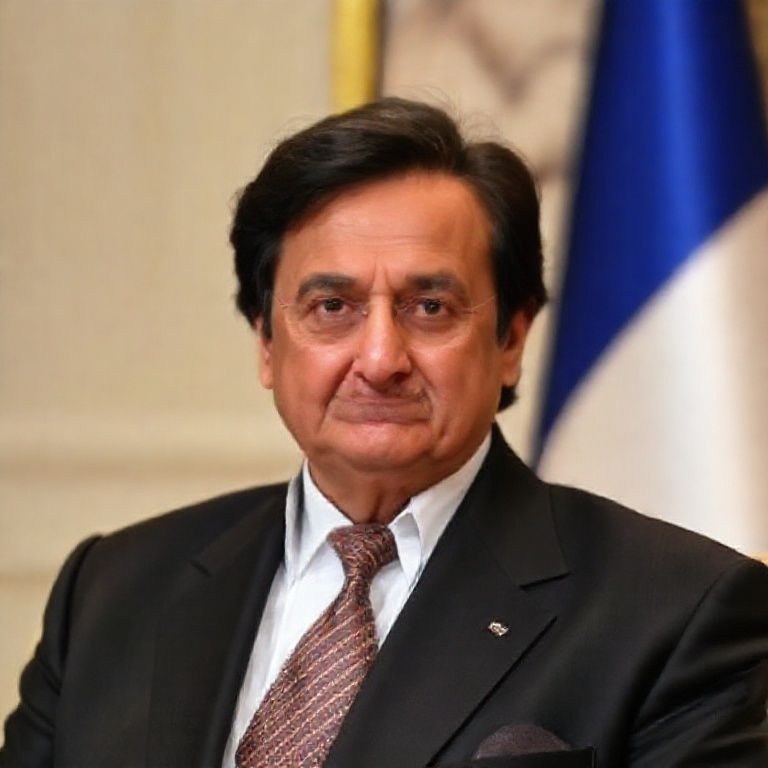
Shashi Tharoor, a prominent Indian politician and member of the Indian National Congress, has confirmed his attendance at a dinner hosted by Russian President Vladimir Putin. This event is set to take place during the upcoming BRICS summit in Moscow. Tharoor's acceptance of the invitation has sparked discussions within political circles, especially given the contrasting responses from other leaders.
Tharoor's Response
Tharoor expressed enthusiasm about the invitation. He stated, "I will definitely go." His eagerness reflects his interest in international diplomacy and engagement with global leaders. Tharoor has a history of advocating for stronger ties between India and Russia. His participation in the dinner aligns with his views on fostering relationships with key global players.
Political Context
The BRICS summit, which includes Brazil, Russia, India, China, and South Africa, serves as a platform for discussing economic cooperation and political collaboration. Tharoor's presence at the dinner could enhance India's diplomatic standing. It also highlights the importance of Russia in India's foreign policy framework.
Contrasting Choices
In stark contrast to Tharoor's acceptance, two other prominent leaders, Rahul Gandhi and Mallikarjun Kharge, have declined the invitation. Gandhi, the former president of the Indian National Congress, has been vocal about his reservations regarding Russia's actions in Ukraine. His decision to skip the dinner reflects a broader sentiment within certain political factions in India that are critical of Russia's international conduct.
Kharge, the current president of the Indian National Congress, also chose not to attend. His absence underscores the party's internal divisions regarding foreign policy. While some members advocate for engagement with Russia, others prefer a more cautious approach. This divergence may impact the party's strategy as it navigates complex international relations.
Implications for Indian Politics
Tharoor's acceptance and the snubs from Gandhi and Kharge could have significant implications for the Indian National Congress. The party is at a crossroads, facing challenges in presenting a unified stance on foreign policy. Tharoor's willingness to engage with Putin may resonate with some voters who prioritize diplomatic relations. Conversely, Gandhi and Kharge's decisions may appeal to those who prioritize human rights and international law.
The differing responses also highlight the generational divide within the party. Tharoor represents a younger, more globally-minded faction, while Gandhi and Kharge may appeal to traditionalists who prioritize India's historical stance on non-alignment and cautious engagement.
Public Reaction
The public reaction to these developments has been mixed. Supporters of Tharoor commend his proactive approach to diplomacy. They argue that engaging with global leaders is essential for India's growth and security. Critics, however, question the appropriateness of attending a dinner hosted by a leader facing international scrutiny.
Social media platforms have become a battleground for opinions. Many users express support for Tharoor, praising his commitment to international dialogue. Others voice concerns about the implications of engaging with a leader whose actions have drawn widespread condemnation.
International Relations
India's relationship with Russia has been historically strong, rooted in defense and energy cooperation. However, the ongoing conflict in Ukraine has strained this relationship. India's position of neutrality has drawn criticism from various quarters. Tharoor's attendance at the dinner may signal a desire to reaffirm ties with Russia while navigating the complexities of international politics.
The BRICS summit presents an opportunity for India to assert its role as a leader among emerging economies. Tharoor's participation could enhance India's influence within the group. It may also provide a platform for discussing critical issues such as trade, security, and climate change.
Future Prospects
As the BRICS summit approaches, the dynamics within the Indian National Congress will be closely watched. Tharoor's acceptance of the invitation may embolden other party members to engage more openly with global leaders. Conversely, Gandhi and Kharge's decisions may lead to a reevaluation of the party's foreign policy stance.
The outcomes of the summit and the dinner will likely have lasting implications for India's international relations. Tharoor's engagement with Putin could pave the way for new collaborations, while the absence of Gandhi and Kharge may signal a shift in the party's approach to foreign policy.
In the coming weeks, the political landscape in India will continue to evolve. The reactions to Tharoor's attendance and the decisions of Gandhi and Kharge will shape the narrative surrounding the Indian National Congress. As the party navigates these challenges, its stance on international relations will remain a focal point of discussion among political analysts and the public alike.
Source:

