Tharoor Critiques Pakistan’s Role in Iran-US Mediation
NewsTharoor Critiques Pakistan's Role in Iran-US Mediation
Indian Politician Highlights Regional Dynamics Amidst Diplomatic Efforts
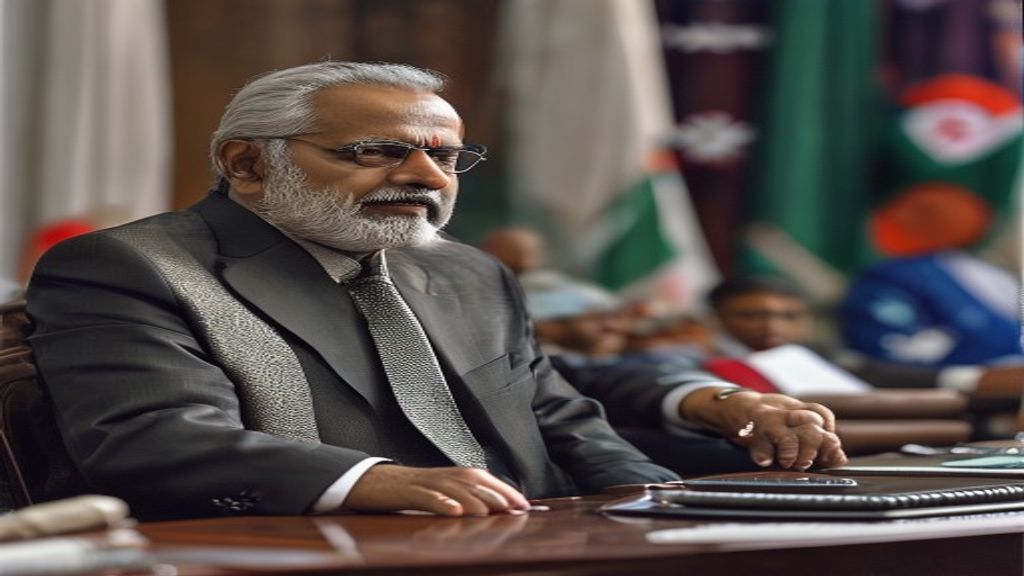
Shashi Tharoor, a prominent Indian politician and member of the Indian National Congress, recently expressed his views on Pakistan's involvement in the ongoing mediation efforts between Iran and the United States. His comments come at a time when diplomatic relations in the region are under intense scrutiny. Tharoor's remarks highlight the complexities of international diplomacy and the unique position that Pakistan occupies in these discussions.
Tharoor's statement suggests that Pakistan has a distinctive role to play in the mediation process. He emphasized that only Pakistan could engage in this specific capacity, given its historical ties and geopolitical significance in the region. This assertion raises questions about the effectiveness and motivations behind Pakistan's involvement in such high-stakes negotiations.
The backdrop of these comments is the evolving relationship between Iran and the United States. Over the years, tensions have escalated, particularly following the U.S. withdrawal from the Joint Comprehensive Plan of Action (JCPOA) in 2018. Since then, both nations have engaged in a series of confrontations, leading to a complex web of alliances and enmities in the Middle East.
Pakistan's role in this context is multifaceted. The country shares a border with Iran and has historically maintained a delicate balance in its foreign relations. Tharoor's remarks suggest that Pakistan's geographical and political positioning allows it to act as a mediator. However, this role is not without its challenges. Pakistan's own relationships with both Iran and the U.S. are complicated, influenced by various factors including economic interests and security concerns.
Tharoor's critique also reflects broader concerns regarding Pakistan's foreign policy. Critics argue that Islamabad often prioritizes its strategic interests over genuine mediation efforts. This perspective raises doubts about the sincerity of Pakistan's involvement in the Iran-U.S. dialogue. Tharoor's comments may resonate with those who believe that Pakistan's historical actions have sometimes undermined its credibility as a mediator.
The dynamics of the Iran-U.S. relationship are further complicated by regional rivalries. Saudi Arabia and Israel, for instance, have vested interests in the outcome of these negotiations. Their opposition to Iran's nuclear ambitions adds another layer of complexity. Tharoor's observations underscore the need for a nuanced understanding of these rivalries when considering Pakistan's role.
Moreover, the geopolitical landscape is shifting. The rise of China as a global power has introduced new variables into the equation. Pakistan's close ties with China may influence its approach to mediation. Tharoor's comments hint at the possibility that Pakistan's alignment with China could affect its ability to act as an impartial mediator between Iran and the U.S.
Tharoor's critique also touches on the broader implications of Pakistan's foreign policy on regional stability. The ongoing tensions between Iran and the U.S. have far-reaching consequences for neighboring countries. A successful mediation could lead to a reduction in hostilities, benefiting the entire region. Conversely, a failure to mediate effectively could exacerbate existing conflicts.
The Indian perspective on these developments is crucial. India shares a complex relationship with both Iran and the U.S. Tharoor's comments reflect India's interest in a stable and peaceful neighborhood. As a regional power, India has a stake in the outcome of the Iran-U.S. negotiations. Tharoor's emphasis on Pakistan's role may also be seen as a call for greater regional cooperation in addressing shared challenges.
In recent years, India has sought to strengthen its ties with Iran, particularly in the context of energy security and trade. The Chabahar Port project is a testament to India's commitment to enhancing its relationship with Iran. However, India's growing partnership with the U.S. complicates this dynamic. Tharoor's remarks highlight the delicate balancing act that India must perform in navigating its relationships with both Iran and the U.S.
The potential for Pakistan to act as a mediator raises questions about the effectiveness of its diplomatic efforts. Tharoor's critique suggests that Pakistan must demonstrate a genuine commitment to facilitating dialogue rather than pursuing its own strategic interests. This perspective aligns with the broader call for more constructive engagement in international diplomacy.
As the situation evolves, the international community is closely monitoring the developments in the Iran-U.S. relationship. Tharoor's comments contribute to the ongoing discourse surrounding the role of regional powers in mediating conflicts. The effectiveness of these mediation efforts will depend on the willingness of all parties to engage in meaningful dialogue.
In conclusion, Tharoor's remarks serve as a reminder of the complexities inherent in international diplomacy. Pakistan's role in the Iran-U.S. mediation process is fraught with challenges and opportunities. As the geopolitical landscape continues to shift, the need for effective mediation becomes increasingly critical. The outcome of these negotiations will have lasting implications for regional stability and international relations.
Source: