Shashi Tharoor Criticizes Blame on India Amid Bangladesh Violence
NewsShashi Tharoor Criticizes Blame on India Amid Bangladesh Violence
Concerns Rise Over Upcoming Elections in Bangladesh
India, December 25, 2025, Thursday, 2025
India, October 12, 2023, Thursday, 2023
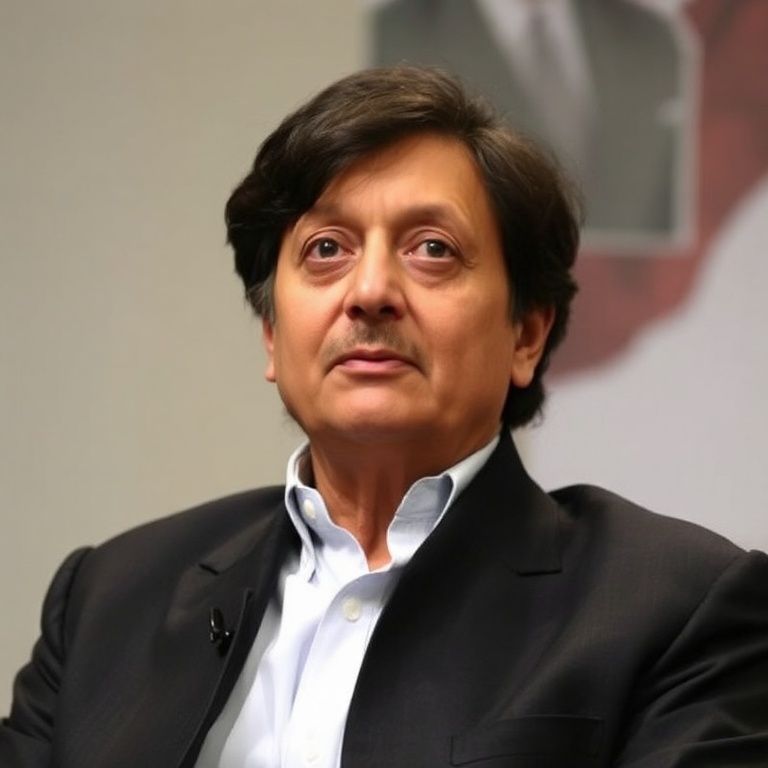
Shashi Tharoor, a prominent Indian politician and author, has voiced strong criticism against the notion that India is to blame for the recent violence in Bangladesh. His remarks come in the wake of escalating tensions in the neighboring country, where political unrest has sparked widespread concern. Tharoor emphasized that attributing the violence to India is not only misguided but also counterproductive.
Tharoor's comments were made during a press conference held in New Delhi. He stated that such accusations distract from the real issues at hand. "Blaming India is preposterous," he asserted. He urged the international community to focus on the internal dynamics of Bangladesh rather than scapegoating India.
The backdrop of Tharoor's statements is the increasing violence in Bangladesh, particularly as the country approaches its national elections. The political climate has become increasingly fraught, with various factions vying for power. Tharoor highlighted the importance of stability in Bangladesh, noting that it is crucial for regional security and cooperation.
Political Unrest in Bangladesh
Bangladesh has been experiencing significant political turmoil. The ruling Awami League party, led by Prime Minister Sheikh Hasina, faces mounting opposition from the Bangladesh Nationalist Party (BNP) and other groups. The upcoming elections, scheduled for January 2024, have intensified the rivalry.
Reports indicate that clashes between supporters of rival parties have resulted in injuries and property damage. Tharoor pointed out that such violence is not uncommon in politically charged environments. He stressed that the focus should be on fostering dialogue and understanding among the various political factions.
Tharoor's Perspective on Regional Relations
Tharoor's comments reflect a broader concern regarding India-Bangladesh relations. Historically, the two nations have shared a complex relationship, marked by cooperation and occasional tensions. Tharoor emphasized that India has always supported Bangladesh's sovereignty and democratic processes.
He noted that India has played a significant role in Bangladesh's independence and subsequent development. "We have a vested interest in seeing Bangladesh thrive," Tharoor remarked. He called for a collaborative approach to address the challenges facing both nations.
The Role of External Influences
Tharoor also touched upon the influence of external actors in the region. He suggested that foreign powers may exploit the situation for their own interests. This, he argued, complicates the already delicate political landscape in Bangladesh.
He urged political leaders in Bangladesh to remain vigilant against such influences. "It is essential for Bangladesh to chart its own course," Tharoor stated. He believes that internal unity is vital for the country to navigate the challenges ahead.
Calls for Peaceful Dialogue
In light of the escalating violence, Tharoor called for peaceful dialogue among political parties in Bangladesh. He believes that open communication can help de-escalate tensions. "Dialogue is the only way forward," he asserted.
Tharoor's appeal for dialogue resonates with many observers who are concerned about the potential for further violence. The international community is watching closely as the situation unfolds.
The Importance of Democratic Processes
Tharoor underscored the significance of upholding democratic processes in Bangladesh. He noted that free and fair elections are essential for the country's stability. "Democracy must be allowed to flourish," he stated.
He expressed hope that the upcoming elections would be conducted in a peaceful manner. Tharoor believes that a successful electoral process can pave the way for greater political stability in Bangladesh.
Regional Security Implications
The political situation in Bangladesh has implications for regional security. Tharoor pointed out that instability in one country can have a ripple effect on its neighbors. He emphasized the need for a stable Bangladesh for the overall security of South Asia.
Tharoor's remarks highlight the interconnectedness of the region. He believes that cooperation among South Asian nations is crucial for addressing common challenges, including security threats and economic development.
The Role of Civil Society
Tharoor also acknowledged the role of civil society in promoting peace and stability. He believes that grassroots movements can play a significant role in fostering dialogue and understanding. "Civil society must be empowered to voice their concerns," he stated.
He encouraged citizens of Bangladesh to engage in constructive discussions. Tharoor believes that a vibrant civil society can help bridge divides and promote national unity.
International Community's Responsibility
Tharoor called on the international community to support Bangladesh during this critical time. He believes that external support should focus on promoting democratic values and human rights. "The world must stand with Bangladesh," he asserted.
He urged nations to provide assistance that empowers the Bangladeshi people rather than exacerbating divisions. Tharoor emphasized that sustainable development can only be achieved through a stable and democratic Bangladesh.
In summary, Shashi Tharoor's comments reflect a deep concern for the political situation in Bangladesh. His call for dialogue, democratic processes, and regional cooperation resonates with many who are watching the unfolding events. As Bangladesh approaches its elections, the need for stability and unity has never been more critical.
Source:

