Thailand Defends Demolition of Hindu Statue Amidst Tensions
NewsThailand Defends Demolition of Hindu Statue Amidst Tensions
India Voices Strong Disapproval Over Destruction of Cultural Symbol
India, December 25, 2025, Thursday, 2025
India, October 10, 2023, Tuesday, 2023
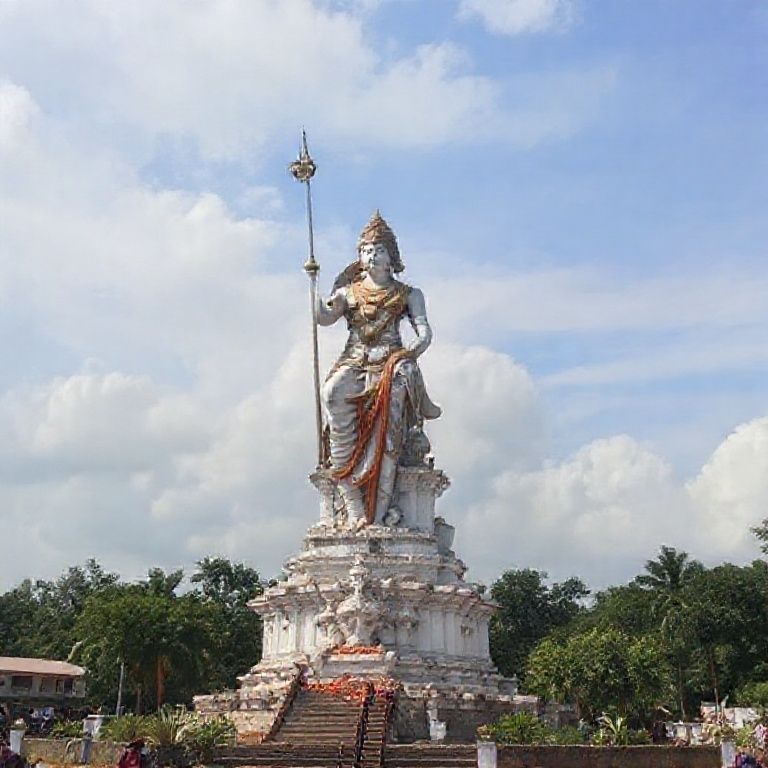
Thailand has recently come under fire for the demolition of a Vishnu statue located near its border with Cambodia. The Thai government has defended its actions, citing security concerns and administrative reasons for the decision. This explanation, however, has not appeased India, which has expressed strong disapproval of the act, labeling it as disrespectful to Hindu sentiments. The situation has escalated further as Cambodia confirmed that the statue was indeed on its territory and condemned the destruction.
Background of the Statue
The Vishnu statue, a significant cultural and religious symbol for Hindus, was situated in a region that has seen increasing tensions between Thailand and Cambodia. The statue was not merely a decorative piece; it represented a deep-rooted connection to Hindu mythology and culture. For many Hindus, Vishnu is a principal deity, revered as the protector and preserver of the universe. The demolition of such a statue raises questions about cultural respect and international relations.
Thailand's Justification
In response to the backlash, Thai officials have stated that the demolition was necessary for security reasons. They argue that the statue's location posed administrative challenges and that its removal was part of a broader effort to manage the area effectively. The Thai government maintains that the decision was made with the best interests of the region in mind. However, critics argue that the destruction of a cultural artifact cannot be justified by administrative convenience.
India's Reaction
India's response to the demolition has been swift and severe. Officials have condemned the act, emphasizing that it disrespects Hindu beliefs and sentiments. The Indian government has called for a thorough investigation into the circumstances surrounding the statue's demolition. Indian leaders have expressed their disappointment, highlighting the importance of cultural heritage and the need for mutual respect among nations.
Cambodia's Position
Cambodia has also weighed in on the situation. The Cambodian government confirmed that the Vishnu statue was located within its territory and condemned the demolition. This statement adds another layer of complexity to the issue, as it raises questions about territorial rights and the responsibilities of nations to protect cultural heritage. The Cambodian government has expressed its commitment to preserving cultural artifacts and has criticized the actions taken by Thailand.
Ongoing Border Clashes
The demolition of the statue occurs against the backdrop of ongoing border clashes between Thailand and Cambodia. These clashes have resulted in numerous casualties and have heightened tensions in the region. The destruction of the Vishnu statue may exacerbate these tensions, as it touches on sensitive issues of national pride and cultural identity. Both nations have a history of disputes over territory, and this incident could further strain their relations.
Cultural Significance
The Vishnu statue was not just a physical structure; it held significant cultural and religious importance. For many Hindus, the statue symbolized a connection to their faith and heritage. The act of demolishing such a symbol can be seen as an affront to the beliefs of millions. Cultural artifacts often serve as reminders of shared history and values, and their destruction can lead to feelings of loss and anger among communities.
International Implications
The incident has broader implications for international relations in Southeast Asia. It raises questions about how nations handle cultural heritage and the responsibilities they have to protect it. The destruction of the Vishnu statue could lead to increased scrutiny of Thailand's policies regarding cultural preservation. Additionally, it may prompt other nations to reassess their diplomatic relations with Thailand, particularly those with significant Hindu populations.
Calls for Dialogue
In light of the tensions surrounding the demolition, there have been calls for dialogue between Thailand, India, and Cambodia. Many believe that open communication is essential to resolving the issues at hand. Diplomatic discussions could help clarify misunderstandings and foster a spirit of cooperation among the nations involved. Engaging in dialogue may also provide an opportunity to address the broader concerns related to cultural preservation and respect for religious beliefs.
Public Sentiment
The public reaction to the demolition has been overwhelmingly negative, particularly among Hindu communities. Social media platforms have seen an outpouring of anger and disappointment. Many individuals have taken to online forums to express their outrage and demand accountability from the Thai government. The incident has sparked discussions about the importance of protecting cultural heritage and the need for greater awareness of religious sensitivities.
Future Considerations
As the situation continues to unfold, it remains to be seen how Thailand, India, and Cambodia will navigate the complexities of this incident. The demolition of the Vishnu statue has highlighted the fragile nature of cultural relations in the region. Moving forward, it will be crucial for all parties to consider the implications of their actions and strive for a more respectful and understanding approach to cultural heritage.
In summary, the demolition of the Vishnu statue has ignited a firestorm of controversy, with Thailand defending its actions while India and Cambodia express strong disapproval. The incident underscores the importance of cultural sensitivity and the need for nations to work together to protect their shared heritage. As tensions rise, the call for dialogue and understanding becomes more urgent than ever.
Source:

