Chief Justice Surya Kant Advocates for Technology-Driven Prison Re
NewsChief Justice Surya Kant Advocates for Technology-Driven Prison Reforms
Emphasizing Digital Skills Training and UK-Style Monitoring for Inmates
India, December 7, 2025, Sunday, 2025
India, October 10, 2023, Tuesday, 2023
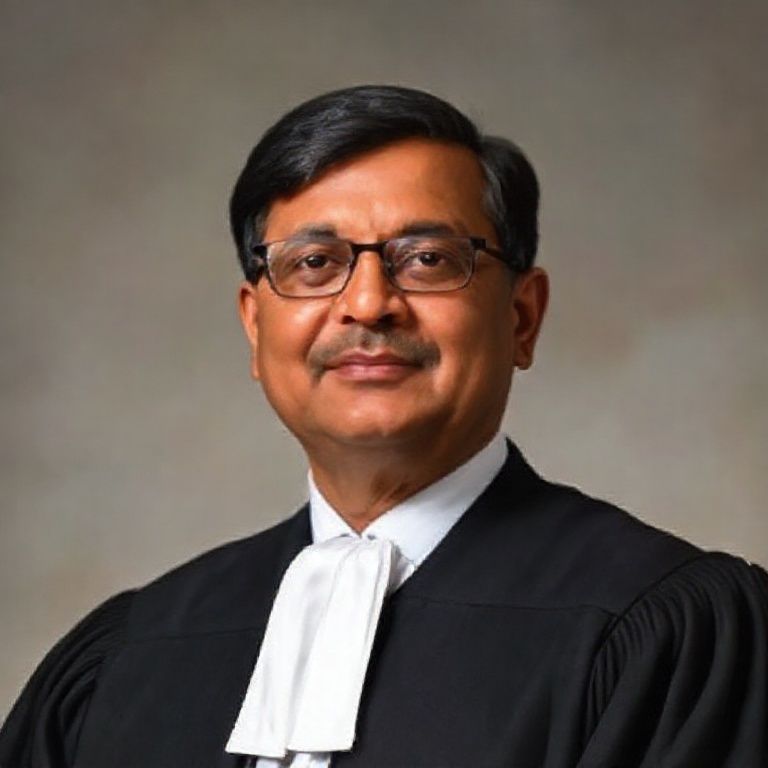
Chief Justice of India Surya Kant has taken a bold stance on the need for reform in the prison system. He emphasizes the importance of integrating technology into correctional facilities. His vision includes transforming these institutions into hubs for reintegration rather than mere detention centers.
The Chief Justice's advocacy centers around two main pillars: digital skills training and a monitoring system inspired by the United Kingdom. He believes that these reforms can significantly impact the lives of inmates and society at large.
Digital Skills Training
One of the key components of Chief Justice Surya Kant's proposal is the implementation of digital skills training for inmates. In today's job market, digital literacy is crucial. Many industries require employees to have a basic understanding of technology. By equipping inmates with these skills, the Chief Justice aims to prepare them for successful reintegration into society.
The Chief Justice highlighted the importance of partnerships with various industries. These collaborations can provide inmates with apprenticeship opportunities. Such programs can help bridge the gap between incarceration and employment. By gaining hands-on experience, inmates can develop practical skills that are in demand.
Moreover, the Chief Justice pointed out that digital skills training can reduce recidivism rates. When inmates leave prison with marketable skills, they are less likely to re-offend. This approach not only benefits the individuals but also contributes to public safety.
UK-Style Monitoring
In addition to digital skills training, Chief Justice Surya Kant advocates for a monitoring system similar to that used in the United Kingdom. This system focuses on continuous oversight of inmates, even after their release. The goal is to ensure that former inmates have the support they need to reintegrate successfully.
The UK model includes regular check-ins and assessments. These measures help identify any challenges that former inmates may face. By addressing these issues early, authorities can provide necessary interventions. This proactive approach can prevent individuals from falling back into criminal behavior.
The Chief Justice believes that implementing such a system in India could lead to significant improvements in rehabilitation. It would create a safety net for former inmates, allowing them to navigate the challenges of reintegration more effectively.
Industry Partnerships
Chief Justice Surya Kant has stressed the importance of forming partnerships with various industries. These collaborations can play a crucial role in the success of the proposed reforms. By working together, correctional facilities and businesses can create tailored programs that meet the needs of both inmates and employers.
These partnerships can facilitate job placements for inmates upon their release. Companies can benefit from a diverse workforce, while inmates gain valuable employment opportunities. This symbiotic relationship can foster a sense of community and responsibility among all parties involved.
Furthermore, the Chief Justice emphasized the need for ongoing support from the government. Policymakers must create an environment conducive to these partnerships. This includes providing incentives for businesses that hire former inmates.
Measurable Rehabilitation
Another critical aspect of Chief Justice Surya Kant's vision is the focus on measurable rehabilitation. He advocates for establishing clear metrics to assess the effectiveness of the proposed reforms. By tracking progress, authorities can identify successful strategies and areas needing improvement.
Measurable rehabilitation can also enhance accountability within the prison system. When outcomes are monitored, it becomes easier to evaluate the impact of various programs. This data-driven approach can lead to more informed decision-making and resource allocation.
The Chief Justice's emphasis on measurable outcomes aligns with global best practices in criminal justice reform. Many countries have adopted similar strategies to enhance the effectiveness of their rehabilitation programs.
Community Involvement
In addition to industry partnerships, Chief Justice Surya Kant believes that community involvement is essential for successful prison reforms. Engaging local communities can create a supportive environment for former inmates. Community members can play a vital role in helping individuals reintegrate into society.
Programs that encourage community participation can foster understanding and reduce stigma. When communities actively support reintegration efforts, they contribute to a safer society. This collaborative approach can lead to a more inclusive environment for everyone.
The Chief Justice's vision for prison reform is ambitious but necessary. By focusing on technology, industry partnerships, and community involvement, he aims to create a more effective correctional system.
Challenges Ahead
While the Chief Justice's proposals are promising, challenges remain. Implementing such reforms requires significant investment and commitment from various stakeholders. There may be resistance to change within the existing prison system.
Additionally, ensuring that all inmates have access to digital skills training may pose logistical challenges. Correctional facilities must be equipped with the necessary technology and resources.
Moreover, establishing effective monitoring systems will require careful planning and execution. Authorities must ensure that these systems respect the rights and dignity of former inmates.
Despite these challenges, Chief Justice Surya Kant remains optimistic. He believes that with the right approach, India can transform its prison system into a model for rehabilitation. By prioritizing technology and community involvement, the country can pave the way for a brighter future for inmates and society as a whole.
Source:

