Teachers in England Given the Green Light to Use AI in Classrooms
News THE ECONOMIC TIMES, livelaw.in, LAW, LAWYERS NEAR ME, LAWYERS NEAR BY ME, LIVE LAW, THE TIMES OF INDIA, HINDUSTAN TIMES, the indian express, LIVE LAW .INThe UK education system embraces artificial intelligence as a teaching assistant, aiming to reduce workload, personalize learning, and modernize classrooms across England.
London, England | Saturday, November 1, 2025
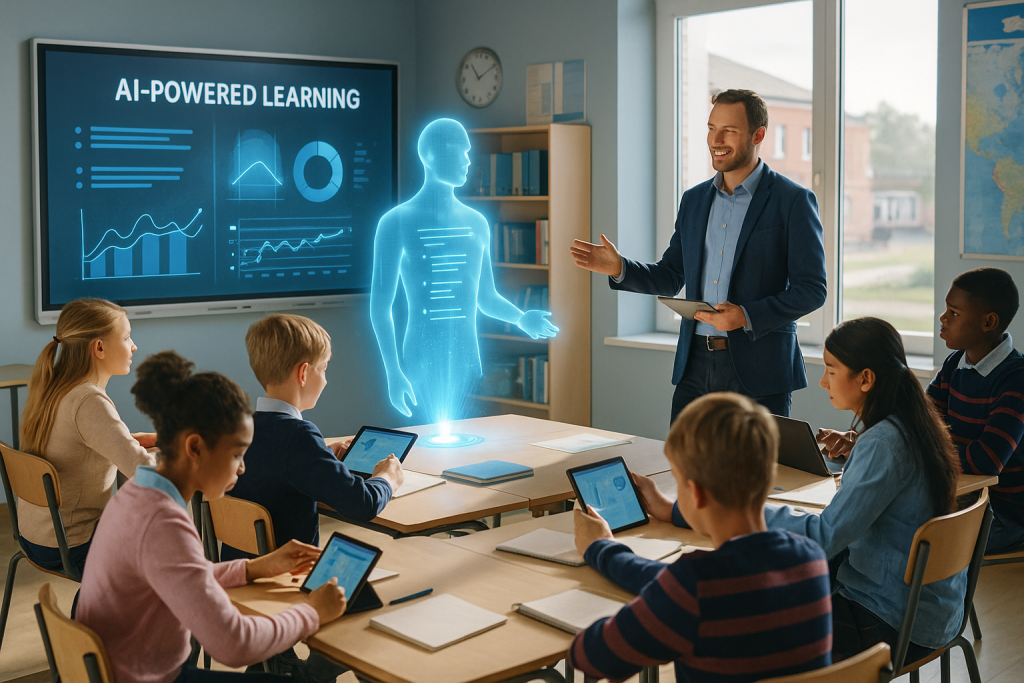
In a groundbreaking shift for the UK education sector, the Department for Education has officially given teachers in England the green light to use artificial intelligence (AI) tools in schools. This marks a historic moment in modern education policy, as AI transitions from experimental use to becoming a recognized part of the national teaching framework.
Under the new guidelines, teachers will be encouraged — not mandated — to integrate AI systems into lesson planning, grading, student feedback, and classroom management. The move aims to reduce teacher workload, enhance personalized learning experiences, and prepare students for a technology-driven future.
AI as a Teaching Partner, Not a Replacement
The policy emphasizes that AI should assist teachers, not replace them. The Department for Education clarified that human judgment, emotional intelligence, and professional experience remain central to learning. AI will serve as a supportive tool for repetitive administrative tasks, personalized tutoring, and student performance tracking.
AI-based systems are expected to help automate lesson preparation, identify struggling students earlier, and provide adaptive exercises that adjust to each student’s learning pace. Teachers will retain full control over lesson delivery, student evaluation, and classroom engagement.
Reducing Teacher Workload Through Smart Automation
One of the driving forces behind this decision is the persistent challenge of teacher burnout and administrative overload. With AI’s assistance, educators can save valuable hours each week previously spent on marking, planning, and paperwork.
New AI tools approved for classroom integration can:
- Generate customized lesson plans aligned with the national curriculum.
- Provide real-time student performance analytics and insights.
- Suggest remedial exercises for low-performing students.
- Automate routine grading tasks, particularly for quizzes and writing assessments.
Education experts estimate that these systems could reduce teacher workload by up to 30%, allowing educators to focus more on student engagement and creativity.
Enhancing Student Learning and Inclusion
AI will also be used to make learning more inclusive and interactive. Advanced AI tutoring platforms can translate lessons into multiple languages, provide real-time reading assistance, and adapt lessons for students with learning difficulties.
This personalization could transform how students learn — shifting from “one-size-fits-all” teaching to individualized learning paths. Teachers will be able to monitor each student’s progress and intervene more effectively where needed.
Furthermore, AI-driven analytics can identify long-term patterns in student behavior and academic growth, helping educators predict outcomes and offer early support before problems escalate.
Training and Safeguards for Responsible AI Use
To ensure the safe and ethical use of AI, the government will launch a nationwide teacher training initiative focusing on AI literacy, data ethics, and responsible technology integration.
All AI tools used in classrooms must comply with strict data protection laws, ensuring that student information remains secure and private. Systems will undergo government-approved audits to verify that they do not introduce bias or discrimination in grading or student evaluation.
Teachers will also be required to clearly communicate when AI tools are being used — maintaining transparency with students and parents.
Government Vision: Building Digital Confidence in Classrooms
The Education Secretary stated that integrating AI into classrooms is a step toward preparing students for a digital-first world. As AI reshapes industries, schools must ensure that students not only use these technologies but also understand how they work.
The broader goal is to cultivate digital fluency, equipping the next generation with the skills to thrive in AI-driven workplaces. This initiative complements existing programs promoting coding, data science, and critical thinking in the UK curriculum.
Support and Concerns from the Education Community
While many teachers welcome AI as a tool for efficiency and innovation, others have raised concerns about over-reliance on technology and the potential erosion of human creativity in education.
Education unions have called for clear accountability measures, ensuring that AI recommendations never override teacher judgment. Meanwhile, parents and advocacy groups emphasize the importance of balancing technology with human connection and empathy in the classroom.
However, proponents argue that AI can reignite the joy of teaching by allowing educators to focus on mentoring and inspiration rather than administrative tasks. The consensus among policymakers is that successful implementation will depend on training, transparency, and trust.
A New Chapter in Modern Education
The UK’s adoption of AI in classrooms reflects a global trend toward AI-augmented education. Nations like Singapore, Japan, and Finland have already begun integrating similar technologies, and the UK’s formal approval positions it among the global leaders in AI-driven learning innovation.
As schools begin adopting these new systems over the coming months, educators will play a crucial role in shaping how AI transforms teaching. The policy’s success will ultimately depend on how effectively AI complements — rather than replaces — the human heart of education.
Source:

