Supreme Court Delegates Environmental Matters to High Courts
NewsSupreme Court Delegates Environmental Matters to High Courts
Landmark Decision Shifts Focus to State-Level Green Issues
India, December 9, 2025, Tuesday, 2025
India, October 10, 2023, Tuesday, 2023
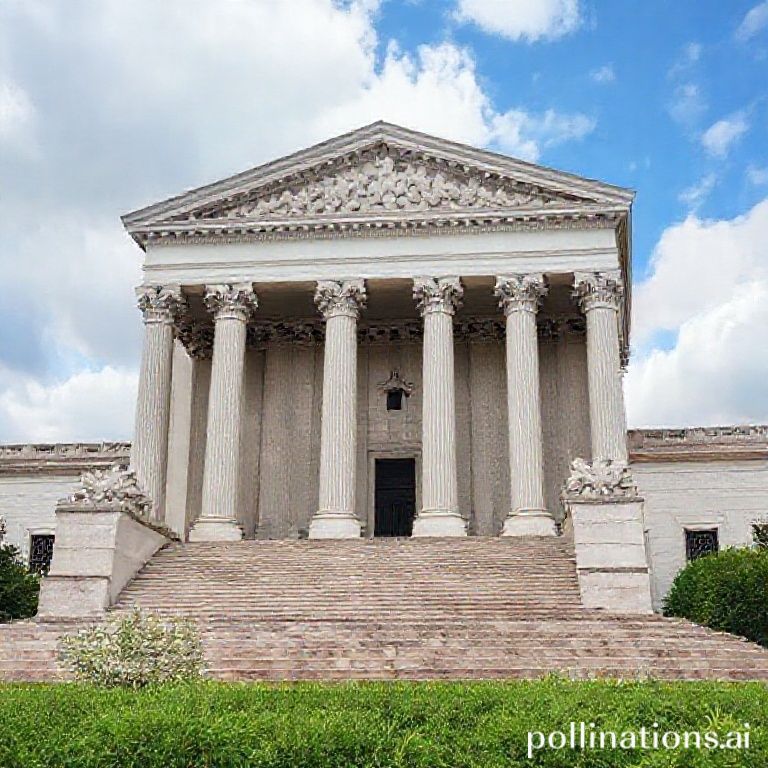
In a significant ruling, the Supreme Court of India has decided to allow High Courts to take charge of environmental matters related to state-specific issues. This decision marks a pivotal shift in how environmental cases are handled in the country. For nearly three decades, the Supreme Court has been the primary forum for addressing such matters. Now, it is time for High Courts to step in and manage these cases more effectively.
The Supreme Court's ruling comes in response to the growing complexity of environmental issues that vary from state to state. Each region in India faces unique challenges, from pollution to deforestation. The Supreme Court recognized that local High Courts are better positioned to understand and address these specific concerns. This change aims to enhance the efficiency of judicial processes related to environmental protection.
The Supreme Court's decision is rooted in the belief that local courts can provide more tailored solutions. High Courts have the advantage of being closer to the ground realities. They can engage with local stakeholders, including communities, businesses, and government bodies. This proximity allows for a more nuanced approach to environmental governance.
The ruling also reflects a broader trend in environmental jurisprudence. Courts worldwide are increasingly recognizing the importance of local governance in addressing ecological issues. By empowering High Courts, India aligns itself with this global movement. The Supreme Court's decision encourages a more decentralized approach to environmental justice.
The Supreme Court's ruling is not just about delegating authority. It also emphasizes the need for High Courts to develop expertise in environmental law. This expertise will be crucial as they take on new responsibilities. The Supreme Court has urged High Courts to establish specialized benches to handle environmental cases. This move aims to ensure that judges are well-equipped to deal with the complexities of environmental law.
Moreover, the Supreme Court's decision comes at a time when India faces pressing environmental challenges. Air pollution, water scarcity, and climate change are just a few of the issues that require immediate attention. By allowing High Courts to take the lead, the Supreme Court hopes to foster a more responsive judicial system. This system can address these challenges more effectively and efficiently.
The ruling also highlights the importance of public participation in environmental governance. High Courts are encouraged to involve local communities in the decision-making process. This involvement can lead to more informed and equitable outcomes. Engaging citizens in environmental matters fosters a sense of ownership and responsibility towards local ecosystems.
The Supreme Court's decision has been met with mixed reactions. Environmental activists have welcomed the move, viewing it as a step towards more localized and effective environmental governance. They argue that High Courts can better understand the specific needs of their regions. This understanding can lead to more impactful rulings.
On the other hand, some legal experts express concerns about the potential for inconsistency in rulings across different states. They worry that varying interpretations of environmental law could lead to disparities in enforcement. This concern underscores the need for a robust framework to guide High Courts in their new responsibilities.
The Supreme Court has acknowledged these concerns. It has emphasized the importance of maintaining a cohesive legal framework for environmental protection. The Court has called for the establishment of guidelines to ensure consistency in how High Courts approach environmental cases. These guidelines will help mitigate the risk of divergent interpretations of the law.
In addition to establishing specialized benches, the Supreme Court has urged High Courts to enhance their capacity for handling environmental cases. This includes training judges and court staff in environmental law and policy. By building this capacity, High Courts can ensure that they are well-prepared to tackle the challenges ahead.
The ruling also encourages collaboration between High Courts and other stakeholders. This collaboration can include government agencies, non-governmental organizations, and academic institutions. By working together, these entities can share knowledge and resources. This collective effort can lead to more effective solutions for environmental issues.
The Supreme Court's decision is a landmark moment in India's environmental jurisprudence. It reflects a growing recognition of the need for localized approaches to environmental governance. By empowering High Courts, the Supreme Court is paving the way for a more responsive and effective judicial system.
As High Courts prepare to take on these new responsibilities, the focus will be on developing best practices for handling environmental cases. This development will be crucial in ensuring that the judicial system can effectively address the pressing environmental challenges facing India today.
The Supreme Court's ruling also underscores the importance of timely justice in environmental matters. Delays in the judicial process can exacerbate environmental degradation. By allowing High Courts to handle these cases, the Supreme Court aims to expedite the resolution of environmental disputes. This expeditious approach can lead to quicker remedies for affected communities and ecosystems.
In summary, the Supreme Court's decision to delegate environmental matters to High Courts represents a significant shift in India's approach to environmental governance. It emphasizes the need for localized solutions, public participation, and capacity building within the judiciary. As High Courts prepare to embrace this new role, the focus will be on ensuring that justice is served promptly and effectively in environmental matters.
Source:

