Supreme Court Demands Clarity on Delhi Air Quality Monitoring
NewsSupreme Court Demands Clarity on Delhi Air Quality Monitoring
Court Addresses Allegations of Data Manipulation and Stubble Burning Issues
India, November 18, 2025, Tuesday, 2025
India, October 10, 2023, Tuesday, 2023
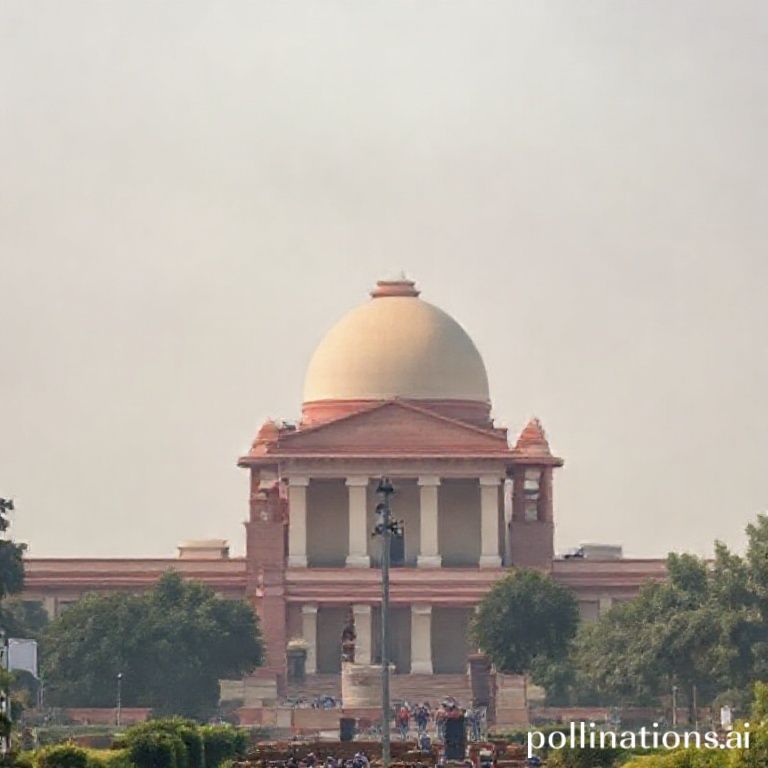
The Supreme Court of India has taken a significant step in addressing the ongoing air quality crisis in Delhi. The court has requested detailed information regarding the air quality monitoring systems in the capital. This demand comes in response to serious allegations of data manipulation and the use of water sprinkling techniques near monitoring stations. The court has set a deadline of seven days for the government to provide this information.
Concerns Over Data Integrity
The integrity of air quality data has come under scrutiny. Allegations suggest that the data reported by monitoring stations may not accurately reflect the true air quality levels in Delhi. Critics argue that the government may be manipulating data to present a more favorable picture of air quality. The Supreme Court's inquiry aims to clarify these concerns and ensure transparency in reporting.
Government's Defense
In response to the allegations, the government has defended its air quality monitoring technology. Officials assert that the systems in place are reliable and effective. They argue that the data collected is consistent with international standards. However, the court's demand for further details indicates that skepticism remains regarding the accuracy of the reported figures.
Stubble Burning and Environmental Impact
The Supreme Court has also turned its attention to the issue of stubble burning in neighboring states, particularly Punjab and Haryana. This practice has been a significant contributor to air pollution in Delhi, especially during the winter months. The court has urged both states to take stringent measures to curb stubble burning. The emphasis is on finding a balance between environmental protection and the livelihoods of farmers.
Farmers' Concerns
Farmers in Punjab and Haryana often resort to stubble burning as a quick method to clear fields after harvest. While this practice is economically beneficial for them, it has dire consequences for air quality. The Supreme Court's call for action highlights the need for alternative solutions that can support farmers while also protecting the environment.
Technological Solutions
The court's inquiry into air quality monitoring systems also raises questions about the technological solutions available to address pollution. Advanced monitoring technologies can provide real-time data on air quality. Implementing these technologies could enhance transparency and accountability in reporting air quality levels.
Public Health Implications
The implications of poor air quality are severe. High levels of pollution can lead to respiratory issues, cardiovascular diseases, and other health problems. The Supreme Court's actions reflect a growing recognition of the need to prioritize public health in discussions about air quality. Ensuring accurate data reporting is crucial for developing effective policies to combat pollution.
Role of Local Governments
Local governments play a vital role in managing air quality. The Supreme Court's directive emphasizes the need for collaboration between state and central authorities. Effective communication and coordination are essential for implementing measures to improve air quality. Local governments must also engage with communities to raise awareness about pollution and its effects.
Public Awareness Campaigns
Raising public awareness about air quality issues is critical. Campaigns can educate citizens about the sources of pollution and encourage them to take action. Simple measures, such as reducing vehicle use and promoting green spaces, can contribute to cleaner air. The Supreme Court's focus on transparency may also empower citizens to hold authorities accountable for air quality management.
International Comparisons
India is not alone in facing air quality challenges. Many countries grapple with pollution issues. Learning from international best practices can provide valuable insights. Countries that have successfully improved air quality often employ a combination of technology, regulation, and public engagement. The Supreme Court's inquiry could pave the way for adopting similar strategies in India.
Future of Air Quality Monitoring
The future of air quality monitoring in Delhi hinges on the Supreme Court's findings. If the court uncovers evidence of data manipulation, it could lead to significant changes in how air quality is monitored and reported. Enhanced scrutiny may also prompt the government to invest in better technologies and practices.
Legislative Measures
The Supreme Court's involvement may also spur legislative action. Lawmakers could introduce new regulations aimed at improving air quality monitoring and enforcement. Stricter penalties for non-compliance with air quality standards may also be on the horizon. The court's push for accountability could lead to a more robust legal framework for environmental protection.
Community Engagement
Engaging communities in air quality management is essential. Local initiatives can empower residents to take ownership of their environment. Community-led projects, such as tree planting and clean-up drives, can foster a sense of responsibility. The Supreme Court's emphasis on transparency may encourage more grassroots movements focused on improving air quality.
Economic Considerations
Balancing economic interests with environmental protection is a complex challenge. The Supreme Court's call for action on stubble burning highlights this dilemma. Policymakers must consider the economic implications of environmental regulations. Finding solutions that support farmers while reducing pollution will be crucial for sustainable development.
In summary, the Supreme Court's inquiry into Delhi's air quality monitoring systems marks a critical moment in the fight against pollution. The court's demands for transparency and accountability reflect a growing urgency to address air quality issues. As the government prepares to respond, the implications of this inquiry could shape the future of air quality management in India.
Source:

