G RAM G Act Reflects Gandhian Ideals, Claims Shivraj Singh Chauhan
NewsG RAM G Act Reflects Gandhian Ideals, Claims Shivraj Singh Chauhan
Rural Development Minister Defends New Legislation Against Congress Criticism
India, December 27, 2025, Saturday, 2025
India, October 10, 2023, Tuesday, 2023
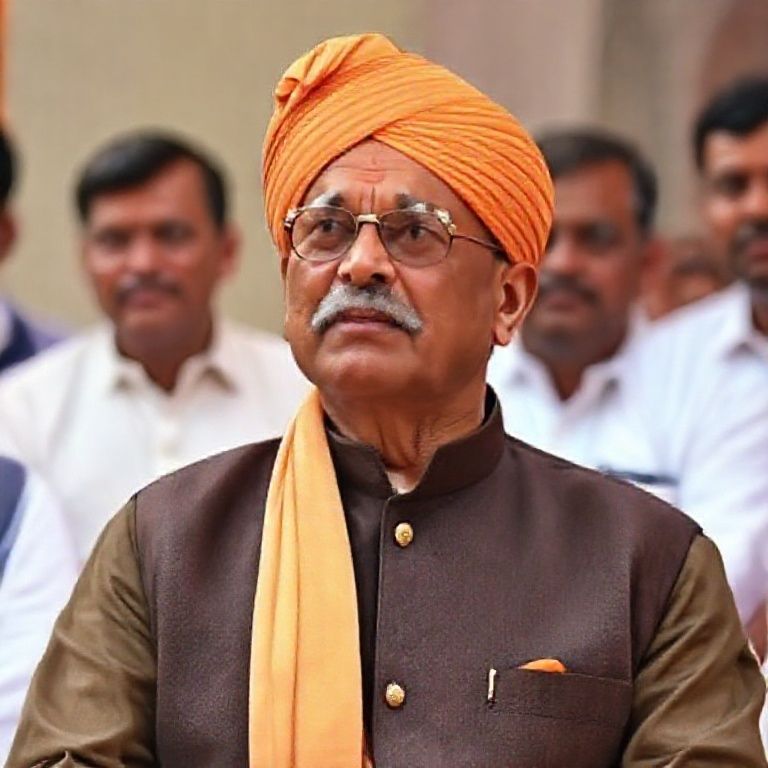
Rural Development Minister Shivraj Singh Chauhan recently addressed concerns surrounding the VB-G RAM G Act. He firmly rejected accusations from the Congress party, which he claims are rooted in misinformation. According to Chauhan, the Congress has a history of undermining rural welfare programs, specifically citing their previous cuts to the Mahatma Gandhi National Rural Employment Guarantee Act (MGNREGA) budget and wage freezes.
Chauhan emphasized that the VB-G RAM G Act is designed to enhance transparency and deliver tangible benefits to workers in rural areas. He argued that the new legislation does not deviate from Mahatma Gandhi's ideals but rather embodies them. The minister's remarks come amid a heated political climate, where the opposition is questioning the government's commitment to rural development.
Chauhan's Defense of the VB-G RAM G Act
In his statements, Chauhan outlined the key features of the VB-G RAM G Act. He highlighted its focus on improving the livelihoods of rural workers. The act aims to streamline processes and ensure that benefits reach the intended recipients without unnecessary delays.
The minister pointed out that the act introduces mechanisms for accountability. This includes regular audits and public disclosures, which he believes will foster trust among the rural populace. Chauhan stated that these measures are crucial for empowering communities and ensuring that they have a say in the development processes that affect their lives.
Countering Congress's Claims
Chauhan did not shy away from addressing the Congress party's criticisms directly. He accused them of spreading false narratives to undermine the government's efforts. The minister asserted that the Congress party's past actions, such as budget cuts and wage freezes, demonstrate a lack of commitment to rural welfare.
He argued that the VB-G RAM G Act is a step forward, not a retreat from Gandhian principles. According to Chauhan, Mahatma Gandhi envisioned a self-reliant rural economy. The act, he claims, aligns with this vision by promoting local employment and sustainable development.
The Importance of Transparency
Transparency is a central theme in Chauhan's defense of the VB-G RAM G Act. He believes that by making information accessible, the government can empower citizens. This transparency will allow rural workers to hold authorities accountable and ensure that resources are used effectively.
Chauhan mentioned that the act includes provisions for community participation. This means that local residents will have a voice in decision-making processes. He sees this as a way to honor Gandhi's legacy by fostering grassroots involvement in rural development initiatives.
Economic Impact on Rural Areas
The VB-G RAM G Act is expected to have a significant economic impact on rural areas. By focusing on job creation and skill development, the legislation aims to reduce unemployment rates. Chauhan noted that the act will facilitate the establishment of local enterprises, which can drive economic growth.
He also highlighted the potential for increased investment in rural infrastructure. Improved roads, irrigation systems, and access to markets are all part of the act's broader goals. Chauhan believes that these developments will not only benefit individual workers but also strengthen entire communities.
Addressing Skepticism
Despite the minister's optimistic outlook, skepticism remains among some segments of the population. Critics argue that previous government initiatives have not always delivered on their promises. Chauhan acknowledged these concerns but urged citizens to look at the VB-G RAM G Act as a new beginning.
He emphasized that the government is committed to learning from past mistakes. The minister assured the public that the implementation of the act will be closely monitored. Regular feedback from communities will be sought to ensure that the act meets its objectives.
The Role of Technology
Chauhan also discussed the role of technology in the implementation of the VB-G RAM G Act. He believes that digital tools can enhance efficiency and transparency. For instance, online platforms can facilitate the tracking of funds and project progress.
By leveraging technology, the government aims to reduce bureaucratic hurdles. This, in turn, can lead to quicker access to benefits for rural workers. Chauhan expressed confidence that technology will play a crucial role in the success of the act.
Future Prospects
Looking ahead, Chauhan is optimistic about the future of rural development in India. He believes that the VB-G RAM G Act will set a precedent for future legislation. The minister envisions a model where rural communities are actively involved in their development.
He called on all stakeholders, including local leaders and civil society organizations, to collaborate in this effort. By working together, Chauhan believes that the goals of the act can be achieved.
In summary, Shivraj Singh Chauhan's defense of the VB-G RAM G Act highlights its alignment with Gandhian principles. He argues that the act will bring about significant improvements in rural development, emphasizing transparency, community participation, and economic growth. As the political discourse continues, the minister remains steadfast in his belief that the act will benefit rural workers and honor the legacy of Mahatma Gandhi.
Source:

