Red Fort to Host UNESCO Meeting on Intangible Heritage
NewsRed Fort to Host UNESCO Meeting on Intangible Heritage
Over 1,000 Delegates Expected to Attend in New Delhi
India, December 6, 2025, Saturday, 2025
India, October 10, 2023, Tuesday, 2023
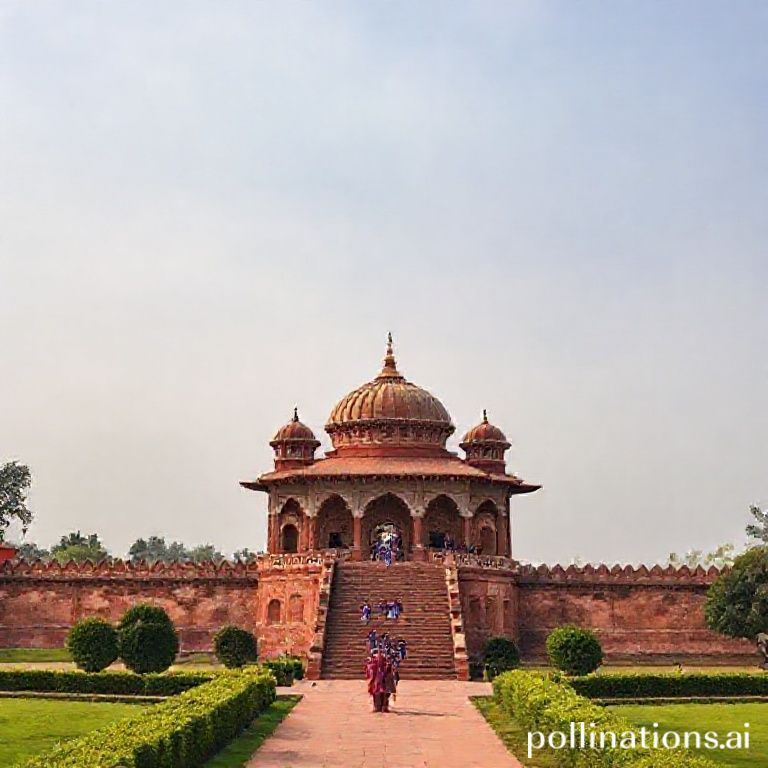
The Red Fort in New Delhi is set to become a focal point for cultural preservation as it hosts the 20th session of the Intergovernmental Committee for Safeguarding Intangible Cultural Heritage. This significant event will welcome over 1,000 delegates from around the globe, emphasizing the importance of safeguarding cultural practices that are not physically tangible but hold immense value for communities.
Significance of the Event
The gathering aims to highlight India's rich and diverse cultural heritage. It will serve as a platform for discussions on various aspects of intangible cultural heritage, including traditions, rituals, and festivals. The event is particularly notable for its formal proposal to include Diwali, the Festival of Lights, in UNESCO's Intangible Cultural Heritage list. This proposal follows a series of successful nominations by India, showcasing the country's commitment to preserving its cultural identity.
Delegates and Participants
The event will attract a wide range of participants, including cultural experts, policymakers, and representatives from various countries. These delegates will engage in discussions about best practices for safeguarding intangible heritage. The presence of international representatives underscores the global importance of cultural preservation and the collaborative efforts required to protect these traditions.
India's Cultural Richness
India boasts a vast array of cultural practices that vary from region to region. Each state has its own unique traditions, languages, and festivals. The Red Fort, a UNESCO World Heritage Site itself, symbolizes India's historical significance and serves as an ideal venue for this important meeting. The fort's architecture and history reflect the country's rich past, making it a fitting backdrop for discussions on cultural heritage.
Diwali: A Cultural Icon
Diwali, celebrated by millions across the world, represents the triumph of light over darkness and good over evil. The festival involves various rituals, including lighting oil lamps, exchanging sweets, and performing prayers. By proposing Diwali for inclusion in the UNESCO list, India aims to recognize the festival's significance not only within the country but also on a global scale. This recognition would help promote awareness and appreciation of the festival's cultural importance.
Previous Successful Nominations
India has a strong track record of successfully nominating intangible cultural heritage elements. The country has previously secured recognition for various practices, including yoga and traditional Indian music. These nominations have not only elevated India's cultural profile but have also encouraged the preservation of these practices within local communities. The upcoming proposal for Diwali is expected to follow in this successful tradition.
Global Collaboration
The event at the Red Fort will also facilitate discussions on global collaboration in safeguarding intangible heritage. Delegates will share experiences and strategies that have proven effective in their respective countries. This exchange of ideas will foster a sense of unity among nations, emphasizing that cultural preservation is a shared responsibility.
Challenges in Preservation
Despite the enthusiasm surrounding the event, challenges remain in the preservation of intangible cultural heritage. Rapid globalization and modernization pose threats to traditional practices. Many communities struggle to maintain their cultural identities in the face of changing societal norms. The discussions at the Red Fort will address these challenges and explore innovative solutions to ensure that intangible heritage is not lost.
Role of Technology
Technology plays a crucial role in the preservation of cultural heritage. Digital platforms can help document and share traditional practices, making them accessible to a wider audience. During the event, delegates will explore how technology can be harnessed to promote and safeguard intangible cultural heritage. This includes the use of social media, online archives, and virtual reality experiences that can bring cultural practices to life.
Engaging Local Communities
Engaging local communities is essential for the successful preservation of intangible heritage. The event will emphasize the importance of involving community members in safeguarding their traditions. By empowering local populations, the chances of cultural practices being passed down through generations increase significantly. Delegates will discuss strategies for community engagement and the role of education in fostering appreciation for cultural heritage.
Cultural Festivals as a Focus
Cultural festivals play a vital role in the preservation of intangible heritage. They provide opportunities for communities to come together and celebrate their traditions. The Red Fort event will highlight various cultural festivals from around the world, showcasing how they contribute to the safeguarding of intangible heritage. By sharing these experiences, delegates can learn from one another and implement successful strategies in their own countries.
Future of Intangible Heritage
As the world becomes increasingly interconnected, the future of intangible cultural heritage depends on collective efforts. The discussions at the Red Fort will pave the way for future initiatives aimed at preserving cultural practices. By recognizing the importance of intangible heritage, countries can work together to ensure that these traditions continue to thrive in an ever-changing world.
The Red Fort event represents a significant step towards global recognition and preservation of intangible cultural heritage. With over 1,000 delegates in attendance, the discussions and proposals made during this session will have lasting implications for cultural preservation efforts worldwide. The proposal for Diwali's inclusion in UNESCO's list is just one of many steps India is taking to celebrate and protect its rich cultural legacy.
Source:

