Rajnath Singh Launches 125 Border Infrastructure Projects
NewsRajnath Singh Launches 125 Border Infrastructure Projects
Major Initiatives to Enhance Security and Connectivity in Remote Areas
India, December 7, 2025, Sunday, 2025
India, October 10, 2023, Tuesday, 2023
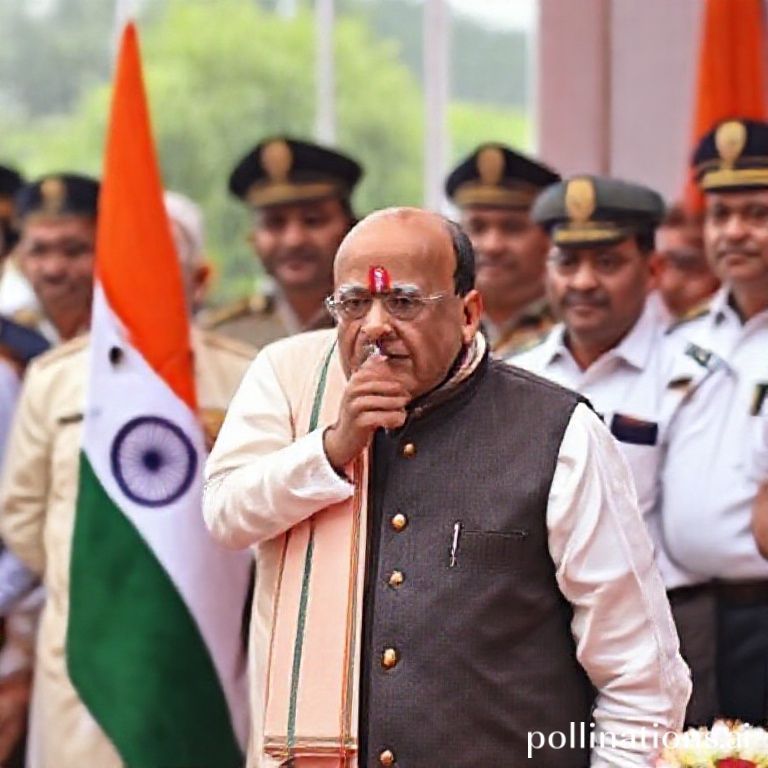
Defence Minister Rajnath Singh has inaugurated 125 border infrastructure projects across various regions, including the Shyok tunnel in Ladakh. The total investment for these initiatives amounts to Rs 5,000 crore. These projects aim to improve troop mobility, promote tourism, and create employment opportunities in remote areas. Singh underscored the significance of these developments for national security, economic growth, and disaster management.
Importance of Connectivity
Connectivity plays a crucial role in national security. Singh emphasized that enhancing infrastructure along the borders is vital for the movement of troops and resources. Improved roads and tunnels will facilitate quicker responses to any security threats. The Shyok tunnel, for instance, will not only ease military logistics but also serve as a lifeline for local communities.
The projects span various states, including Ladakh and Arunachal Pradesh. Each initiative is designed to address specific regional needs while contributing to the overall security framework of the nation. Singh noted that these developments would instill confidence in democracy among the residents of these remote areas.
Economic Benefits
The border projects are expected to have a significant economic impact. By improving infrastructure, the government aims to boost tourism in these regions. Enhanced accessibility will attract more visitors, which in turn will create jobs and stimulate local economies. Singh highlighted that tourism can be a powerful tool for development, especially in areas that have been historically underserved.
Moreover, the projects will provide employment opportunities during the construction phase and beyond. Local labor will be employed, ensuring that the benefits of these initiatives reach the community. This approach aligns with the government's broader strategy of promoting self-reliance and sustainable development.
Disaster Management
In addition to security and economic benefits, the new infrastructure will also play a critical role in disaster management. Singh pointed out that many border areas are prone to natural disasters such as landslides and floods. Improved roads and communication networks will enable quicker evacuation and relief efforts during emergencies.
The government is committed to ensuring that these regions are not only secure but also resilient. By investing in infrastructure, the aim is to create a robust framework that can withstand various challenges, including natural calamities.
Tourism Potential
The scenic beauty of regions like Ladakh and Arunachal Pradesh has immense tourism potential. With the new projects, the government hopes to tap into this potential effectively. Singh mentioned that promoting tourism is not just about economic growth; it is also about showcasing the rich cultural heritage of these areas.
Tourism can foster a sense of pride among local communities. It can also encourage the preservation of traditional practices and crafts. The government plans to work closely with local stakeholders to ensure that tourism development is sustainable and beneficial for the residents.
Strengthening Democracy
Singh emphasized that these infrastructure projects are not merely about physical connectivity. They represent a commitment to strengthening democracy in remote regions. By investing in these areas, the government aims to bridge the gap between urban and rural India.
Residents in border areas often feel disconnected from the mainstream. By enhancing infrastructure, the government is sending a clear message that these communities are a priority. This approach is expected to foster a sense of belonging and trust in democratic processes.
Local Community Involvement
The success of these projects hinges on the involvement of local communities. The government plans to engage residents in the planning and execution phases. This participatory approach will ensure that the projects meet the actual needs of the people.
Local input can lead to more effective solutions. It can also empower communities by giving them a stake in the development process. Singh reiterated the importance of collaboration between the government and local residents to achieve sustainable outcomes.
Future Prospects
Looking ahead, the government is committed to continuing its investment in border infrastructure. Singh mentioned that these 125 projects are just the beginning. More initiatives are in the pipeline to further enhance connectivity and security in border areas.
The focus will remain on creating a comprehensive network that supports both military and civilian needs. As the government rolls out these projects, it will monitor their impact closely. Feedback from local communities will be crucial in shaping future initiatives.
In summary, the inauguration of these 125 border infrastructure projects marks a significant step towards enhancing security, promoting economic growth, and strengthening democracy in remote regions. With a focus on connectivity, the government aims to create a more integrated and resilient India.
Source:

