Rajasthan’s Aravali Region Faces Mining Lease Crisis
NewsRajasthan's Aravali Region Faces Mining Lease Crisis
Over 1,230 mining leases threaten the environment and local communities
India, December 28, 2025, Sunday, 2025
India, October 25, 2023, Wednesday, 2023
The Aravali region in Rajasthan is currently facing a significant challenge due to the presence of over 1,230 mining leases. These leases span an alarming 17,393 hectares, raising concerns about environmental degradation and community welfare. Despite a central government ban on new mining leases, existing operations continue to wreak havoc on the landscape. The situation is particularly dire in the Rajsamand district, which alone accounts for more than 540 of these leases.
Environmental Impact
The environmental consequences of mining in the Aravali region are severe. The landscape has suffered from extensive deforestation, leading to denuded hills and altered ecosystems. The mining activities disrupt natural drainage systems, which can result in flooding and soil erosion. Local flora and fauna are at risk, as their habitats are destroyed or severely compromised.
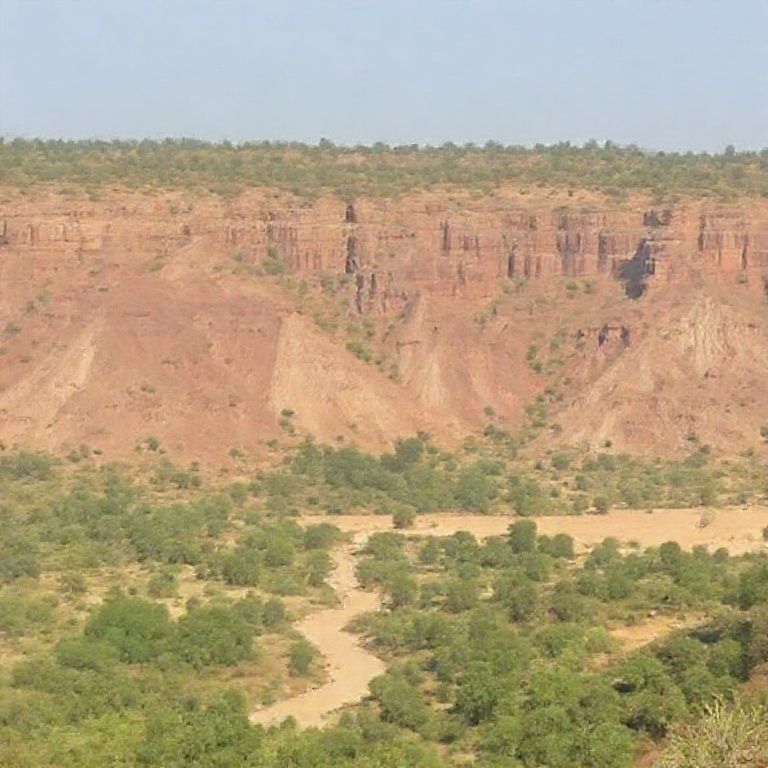
The visual impact is stark. Once lush hills now appear barren, stripped of their vegetation. This not only affects wildlife but also diminishes the natural beauty of the region, which is a significant draw for tourism. The degradation of the environment poses long-term risks to the ecological balance in the area.
Community Concerns
Local communities are feeling the effects of mining operations. Many residents depend on agriculture and natural resources for their livelihoods. The disruption caused by mining activities threatens their way of life. Water sources are often contaminated, making it difficult for families to access clean drinking water.
Moreover, the noise and dust from mining operations create an unhealthy living environment. Residents have reported respiratory issues and other health problems linked to the pollution generated by these activities. The social fabric of communities is also under strain as disputes over land and resources become more common.
Government Response
In response to public outcry, the central government imposed a ban on new mining leases. However, this has not halted existing operations. The enforcement of regulations remains a challenge, as local authorities struggle to monitor and manage the extensive mining activities.
Efforts to reclaim and rehabilitate mined areas have been slow. Environmental activists argue that the government must take more decisive action to protect the Aravali region. They call for stricter enforcement of existing laws and a comprehensive plan to restore damaged ecosystems.
Rajsamand District: A Case Study
Rajsamand district is at the epicenter of the mining lease crisis. With over 540 leases, it exemplifies the challenges faced by the Aravali region. The district's landscape has been significantly altered, with large areas of land cleared for mining operations.
Local farmers have expressed frustration over the loss of arable land. Many have seen their fields encroached upon by mining activities, leading to reduced agricultural output. The economic impact is profound, as families struggle to make ends meet.
In addition to economic challenges, the social implications are troubling. Communities are divided over the benefits and drawbacks of mining. While some see short-term financial gains, others recognize the long-term consequences for their environment and health.
Udaipur and Jaipur Districts
Udaipur and Jaipur districts also bear the brunt of mining activities. In Udaipur, the picturesque landscape is marred by mining operations that threaten the region's tourism industry. Tourists flock to Udaipur for its natural beauty and cultural heritage, but the ongoing mining activities could deter future visitors.
In Jaipur, the situation is similarly concerning. The capital city is not only a cultural hub but also a vital economic center. The environmental degradation caused by mining could have ripple effects on the economy, impacting everything from tourism to agriculture.
Activism and Advocacy
Environmental activists are increasingly vocal about the need for change. They argue that the government must prioritize sustainable development over short-term economic gains. Campaigns to raise awareness about the environmental and social impacts of mining are gaining traction.
Local NGOs are working tirelessly to educate communities about their rights and the importance of protecting their environment. They advocate for community-led initiatives that focus on sustainable practices and conservation efforts.
The Role of Technology
Technology may offer solutions to some of the challenges posed by mining. Remote sensing and geographic information systems (GIS) can help monitor environmental changes and assess the impact of mining activities. These tools can provide valuable data to inform policy decisions and enforcement efforts.
Additionally, innovative mining practices that prioritize sustainability are emerging. Companies are exploring methods that minimize environmental impact while still allowing for resource extraction. These practices could serve as a model for the future of mining in the Aravali region.
The Path Forward
The situation in the Aravali region is complex, with multiple stakeholders involved. Balancing economic development with environmental protection is crucial. The government, local communities, and mining companies must work together to find sustainable solutions.
As the debate continues, the future of the Aravali region hangs in the balance. The decisions made today will shape the landscape for generations to come. The need for a comprehensive approach to mining and environmental conservation has never been more urgent.
Source:

