Priyanka Gandhi Critiques Government on Vande Mataram Debate
NewsPriyanka Gandhi Critiques Government on Vande Mataram Debate
Opposition leader highlights political motives behind the controversy
India, December 8, 2025, Monday, 2025
India, October 10, 2023, Tuesday, 2023
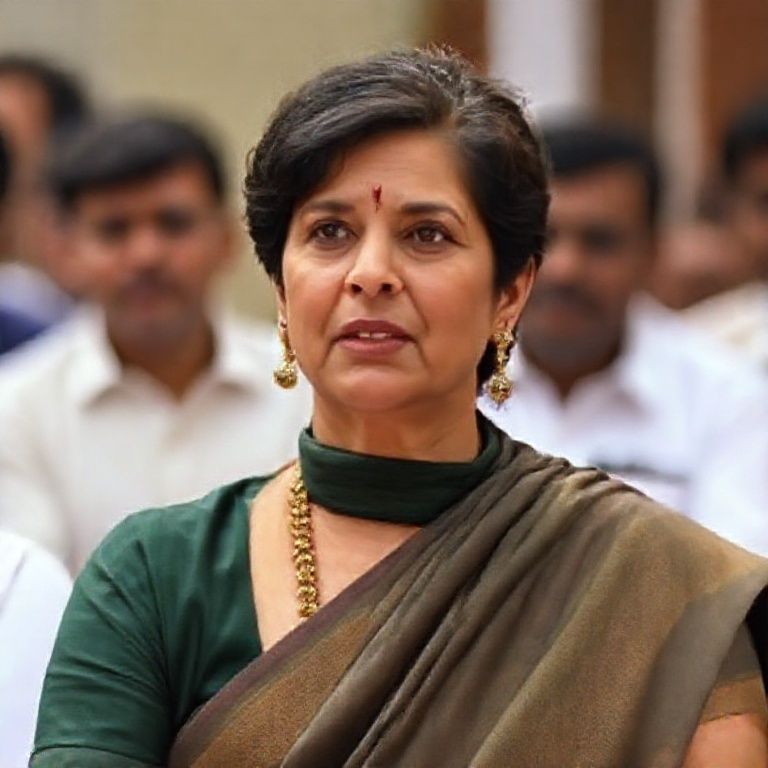
Priyanka Gandhi Vadra, a prominent leader of the Indian National Congress, has recently voiced her concerns regarding the ongoing debate surrounding the national song, Vande Mataram. During a press conference, she emphasized that there are only two reasons for the government's focus on this issue. Her remarks come amid heightened political tensions as the country approaches crucial elections.
Political Distraction
Gandhi argued that the government's emphasis on Vande Mataram serves as a distraction from pressing issues facing the nation. She pointed out that while the government engages in debates over the song, critical matters such as unemployment, inflation, and social unrest remain unaddressed. According to her, this tactic diverts public attention from the failures of the current administration.
"Instead of addressing the real problems, they want to create a narrative around nationalism," Gandhi stated. She believes that this strategy is designed to rally support from their base while ignoring the needs of the broader population.
Bengal Elections in Focus
The Congress leader also linked the Vande Mataram debate to the upcoming elections in West Bengal. She suggested that the ruling party is attempting to polarize voters by invoking nationalistic sentiments. "This is not just about a song; it is about the politics of division," she asserted.
Gandhi's comments come as West Bengal prepares for a significant electoral battle. The state has been a focal point of political rivalry, particularly between the Congress and the Bharatiya Janata Party (BJP). By framing the Vande Mataram debate within the context of the Bengal elections, Gandhi aims to highlight what she perceives as the BJP's opportunistic tactics.
Cultural Significance of Vande Mataram
Vande Mataram, composed by Bankim Chandra Chatterjee, holds a special place in India's history. It was a rallying cry during the struggle for independence and continues to evoke strong emotions among citizens. However, the song has also been a source of contention, with debates surrounding its interpretation and relevance in contemporary society.
Gandhi acknowledged the song's importance but stressed that it should not be used as a political tool. "Vande Mataram should unite us, not divide us," she remarked. Her stance reflects a broader concern among opposition leaders who fear that the ruling party is manipulating cultural symbols for electoral gain.
Public Response
The public reaction to the Vande Mataram debate has been mixed. Some citizens express pride in the song's historical significance, while others feel that the government is exploiting it for political purposes. Social media platforms have become battlegrounds for discussions, with various factions voicing their opinions.
Gandhi's comments resonate with many who believe that the government should focus on governance rather than cultural controversies. "We need leaders who prioritize the people's needs over political theatrics," said a local resident during a recent rally.
Opposition Unity
In her address, Gandhi also called for unity among opposition parties. She emphasized the need for a collective front to challenge the ruling party's narrative. "We must come together to fight against divisive politics," she urged.
This call for unity is particularly relevant as opposition parties gear up for the Bengal elections. The Congress, along with other regional parties, is exploring alliances to strengthen their position against the BJP. Gandhi's leadership in this context could play a crucial role in shaping the opposition's strategy.
The Role of Nationalism
The debate over Vande Mataram raises broader questions about nationalism in India. Gandhi's critique suggests that the ruling party's interpretation of nationalism may not align with the values of inclusivity and diversity. She argues that true nationalism should celebrate the country's pluralism rather than impose a singular narrative.
"Nationalism should not be about exclusion; it should be about embracing our differences," Gandhi stated. This perspective challenges the dominant discourse that often equates patriotism with unwavering loyalty to the ruling party.
Media Coverage
The media has extensively covered the Vande Mataram debate, with various outlets providing differing perspectives. Some commentators support the government's stance, arguing that promoting national symbols is essential for fostering unity. Others, however, echo Gandhi's concerns about the potential for divisiveness.
Gandhi's press conference received significant media attention, highlighting her role as a key opposition figure. Her ability to articulate the concerns of ordinary citizens may resonate with voters as the elections approach.
Future Implications
As the political landscape evolves, the Vande Mataram debate may have lasting implications for the upcoming elections. The ruling party's strategy of leveraging cultural symbols could backfire if voters perceive it as a distraction from pressing issues. Conversely, Gandhi's emphasis on unity and inclusivity may appeal to a broader electorate.
The outcome of the Bengal elections will likely influence the trajectory of both the Congress and the BJP. A strong performance by the opposition could signal a shift in the political narrative, challenging the ruling party's dominance.
In summary, Priyanka Gandhi's critique of the government's focus on Vande Mataram underscores the complexities of nationalism in contemporary India. Her call for unity among opposition parties and her emphasis on addressing real issues resonate with many citizens. As the elections approach, the political landscape remains dynamic, with the potential for significant shifts in voter sentiment.
Source:

