Opposition Protests Against New Labour Codes
NewsOpposition Protests Against New Labour Codes
MPs Claim New Regulations Threaten Job Security and Workers' Rights
India, December 3, 2025, Wednesday, 2025
India, October 10, 2023, Tuesday, 2023
Opposition Members of Parliament (MPs) have taken to the streets in protest against the government's new labour codes. They label these codes as 'anti-labour' and argue that they pose a significant threat to job security for millions of workers across the country. The MPs express deep concerns regarding various aspects of the new regulations, particularly the relaxed thresholds for layoffs and the potential erosion of permanent jobs through increased contract hiring.
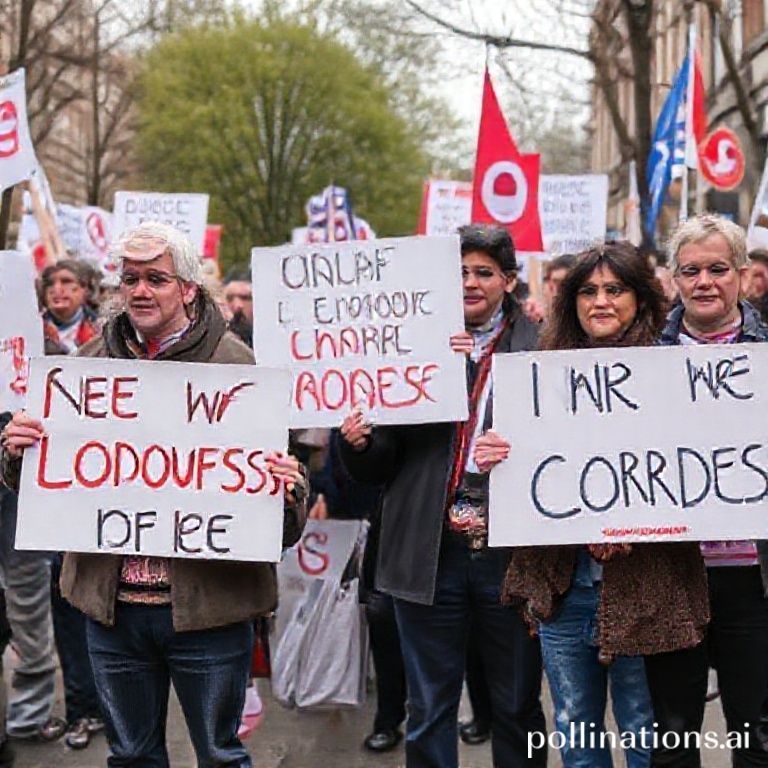
The protest, which gathered significant attention, highlighted the growing discontent among opposition parties regarding the government's approach to labour laws. Leaders from various opposition parties gathered outside Parliament, holding placards and chanting slogans against the new codes. They argue that these changes prioritize corporate interests over the rights and welfare of workers.
Relaxed Layoff Thresholds
One of the most contentious issues raised during the protests is the relaxed thresholds for layoffs. The new labour codes allow companies to lay off workers with fewer restrictions than before. This change has sparked fears among workers that job security will be compromised. Many believe that the new regulations will lead to an increase in job losses, particularly in sectors that are already vulnerable.
Opposition leaders argue that the government is undermining the hard-won rights of workers. They assert that the relaxed layoff rules will make it easier for companies to dismiss employees without just cause. This, they claim, creates a precarious work environment where employees live in constant fear of losing their jobs.
Erosion of Permanent Jobs
Another significant concern is the potential erosion of permanent jobs through contract hiring. The new codes encourage companies to hire workers on a contractual basis rather than offering permanent positions. This shift, according to opposition MPs, threatens the stability and benefits that come with permanent employment.
Contract workers often lack access to essential benefits such as health insurance, paid leave, and job security. By promoting contract hiring, the government risks creating a two-tier workforce where permanent employees enjoy protections while contract workers are left vulnerable. Opposition leaders argue that this trend will exacerbate inequality in the labour market.
Restrictions on Striking
The new labour codes also impose restrictions on the right to strike. This aspect has drawn sharp criticism from opposition MPs, who argue that the ability to strike is a fundamental right for workers. They contend that limiting this right undermines workers' power to negotiate better conditions and wages.
Protesters emphasized that the right to strike is essential for maintaining a balance of power between employers and employees. By curbing this right, the government is, in their view, siding with corporations and diminishing the voice of workers. The opposition has called for the immediate rollback of these restrictions to restore workers' rights.
Government's Response
In response to the protests, government officials have defended the new labour codes. They argue that the changes are necessary to modernize India's labour laws and make the economy more competitive. The government claims that the new regulations will create a more flexible labour market, which, in turn, will attract investment and spur job creation.
Officials assert that the reforms aim to simplify compliance for businesses and reduce the burden of outdated regulations. They believe that a more dynamic labour market will ultimately benefit workers by fostering job growth and economic development.
Opposition's Demands
The opposition has made it clear that they demand an immediate rollback of the new labour codes. They are calling for a comprehensive review of the regulations to ensure that workers' rights are protected. Opposition leaders have vowed to continue their protests until their demands are met.
They argue that the government must engage in meaningful dialogue with trade unions and workers' representatives. By doing so, they believe the government can create labour laws that balance the needs of businesses with the rights of workers.
Public Support
The protests have garnered significant public support, with many citizens expressing solidarity with the opposition's stance. Workers from various sectors have joined the demonstrations, highlighting the widespread concern over job security and workers' rights. Social media has also played a crucial role in amplifying the message of the protesters.
Many citizens are sharing their own experiences of job insecurity and the challenges they face in the current economic climate. This grassroots support adds pressure on the government to reconsider its approach to labour reforms.
Future Implications
As the protests continue, the future of the new labour codes remains uncertain. The opposition's strong stance and public support may force the government to reconsider its position. However, the government has shown little indication of backing down from its proposed reforms.
The ongoing debate over labour laws in India reflects broader tensions between economic growth and workers' rights. As the situation unfolds, it will be crucial to monitor how both the government and opposition navigate this contentious issue.
The protests against the new labour codes highlight a significant moment in India's labour landscape. With workers' rights at the forefront of the debate, the outcome of this struggle will have lasting implications for the future of employment in the country.
Source:

