JDU Politician Suggests Nishant Kumar’s Political Aspirations
NewsJDU Politician Suggests Nishant Kumar's Political Aspirations
Sanjay Kumar Jha Highlights Support for Bihar CM's Son
India, December 5, 2025, Friday, 2025
India, October 10, 2023, Tuesday, 2023
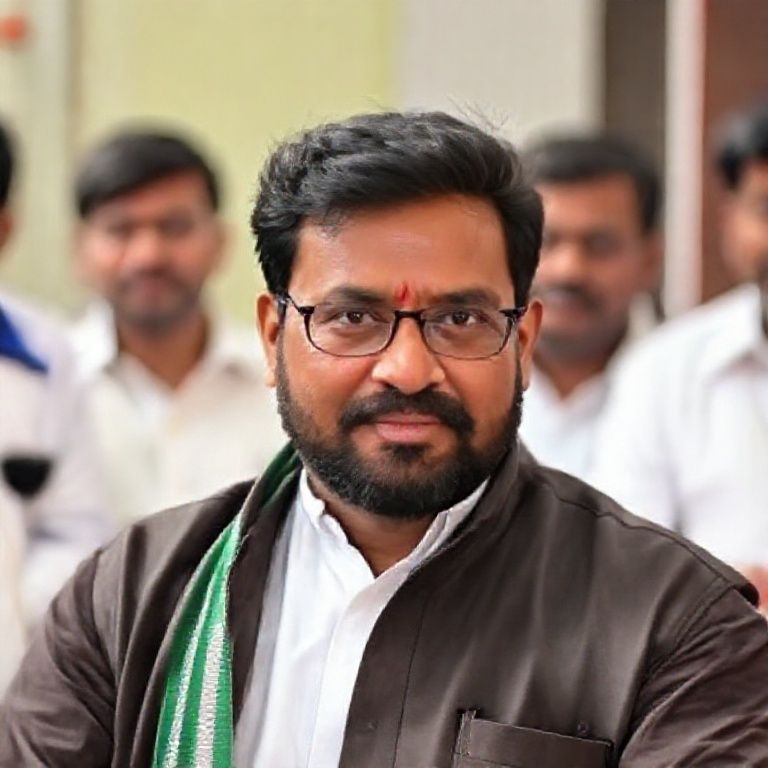
In a recent statement, JDU's working president Sanjay Kumar Jha stirred discussions regarding the political future of Nishant Kumar, the son of Bihar Chief Minister Nitish Kumar. Jha expressed that there is a growing desire among party members and supporters for Nishant to step into the political arena. This sentiment reflects a broader interest in the next generation of leadership within the party.
Jha's comments come at a time when the political landscape in Bihar is evolving. The JDU has been navigating various challenges, including coalition dynamics and electoral strategies. Nishant Kumar, who is 49 years old and an engineer by profession, has been gradually increasing his visibility in public forums. His recent appearances have included praising his father's governance and engaging with constituents.
While Jha emphasized the enthusiasm for Nishant's potential candidacy, he also clarified that the ultimate decision lies with Nishant himself. This statement underscores the importance of personal choice in political careers, especially within prominent political families. Nishant has not publicly commented on the prospect of entering politics, leaving many to speculate about his intentions.
The JDU has a rich history in Bihar politics, and the involvement of family members often plays a significant role in shaping party dynamics. The mention of Nishant's name in political discussions indicates a possible shift in the party's approach to leadership succession. As the party looks to maintain its influence, the idea of introducing fresh faces may resonate with younger voters.
Nishant's recent activities suggest he is preparing for a more prominent role. He has been seen attending various events and engaging with the public. His efforts to connect with constituents may be a strategic move to build a rapport before making any formal political announcements. Observers note that his father's legacy could provide a solid foundation for his entry into politics.
The JDU's internal discussions about leadership succession are not unique. Many political parties in India face similar challenges as they seek to balance tradition with the need for innovation. The desire for new leadership often stems from a younger electorate that seeks relatable figures in politics. Nishant's engineering background may appeal to this demographic, as it positions him as a candidate with practical experience.
As the JDU navigates its future, the party must consider how to effectively communicate its vision to the public. Engaging younger leaders like Nishant could be a strategic advantage. However, the party must also ensure that it maintains its core values and principles, which have historically resonated with its base.
Jha's remarks have sparked conversations among party supporters and political analysts alike. Many are curious about how Nishant would approach key issues if he were to enter politics. Topics such as education, infrastructure, and employment are critical in Bihar, and Nishant's perspectives on these matters could shape his political identity.
The political environment in Bihar is competitive, with various parties vying for influence. The JDU's ability to adapt to changing circumstances will be crucial in the coming years. Nishant's potential candidacy could either strengthen the party's position or present new challenges, depending on how he is received by the electorate.
In addition to his public engagements, Nishant has been active on social media, where he shares insights about his father's policies and initiatives. This digital presence allows him to connect with a broader audience and gauge public sentiment. It also provides a platform for him to articulate his views on pressing issues facing the state.
As discussions about Nishant's political future continue, the JDU must also consider its strategy for the upcoming elections. The party's leadership will need to assess how best to leverage Nishant's potential candidacy to maximize electoral gains. This may involve strategic alliances and targeted outreach to key voter demographics.
The dynamics within the JDU are reflective of broader trends in Indian politics, where dynastic politics often play a significant role. While some criticize this practice, others argue that established political families can provide stability and continuity. Nishant's entry into politics could be seen as a continuation of the Kumar legacy, which has been influential in Bihar for decades.
In the coming months, it will be essential to watch how Nishant navigates this period of speculation. His decisions and public statements will likely influence perceptions of his readiness for a political role. As he weighs his options, the support from party members and the public will be crucial in shaping his path forward.
The JDU's leadership will also need to consider how to position itself in relation to its rivals. The political landscape in Bihar is marked by shifting alliances and emerging challenges. Nishant's potential candidacy could be a pivotal factor in the party's strategy as it seeks to maintain its relevance in a rapidly changing environment.
In summary, Sanjay Kumar Jha's comments about Nishant Kumar's political aspirations have ignited discussions about the future of the JDU. As the party contemplates its next steps, the involvement of younger leaders like Nishant may play a significant role in shaping its trajectory. The coming months will reveal whether Nishant decides to embrace a political career and how that choice will impact the JDU's standing in Bihar politics.
Source:

