Centre Imposes Ban on New Mining Leases in Aravalli Region
NewsCentre Imposes Ban on New Mining Leases in Aravalli Region
Government Directs States to Expand Protected Zones for Conservation Efforts
India, December 24, 2025, Wednesday, 2025
India, October 10, 2023, Tuesday, 2023
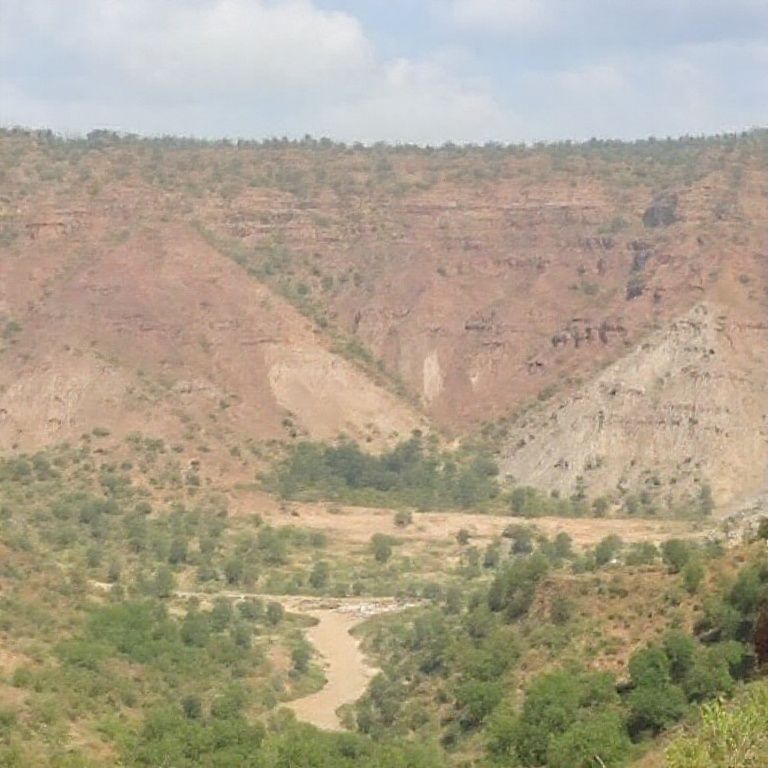
The Indian government has taken a significant step towards environmental conservation by imposing a complete ban on new mining leases in the Aravalli mountain range. This decision comes amid growing concerns over the ecological degradation caused by unregulated mining activities in the region. The Aravallis, which stretch from Delhi to Gujarat, are one of the oldest mountain ranges in the world and hold immense ecological and cultural significance.
The recent order from the Centre mandates that states must not only halt the issuance of new mining leases but also expand the protected zones within the Aravalli range. This initiative aims to safeguard the fragile ecosystem and preserve biodiversity in the area. The government has emphasized the need for ecological assessments to determine the boundaries of these restricted zones.
Environmental Impact of Mining
Mining activities have long posed a threat to the Aravalli mountains. The extraction of minerals has led to deforestation, soil erosion, and loss of habitat for various species. The government’s decision to ban new leases is a response to these environmental challenges. By restricting mining operations, officials hope to mitigate the adverse effects on the landscape and promote sustainable practices.
The Aravalli range is home to diverse flora and fauna, many of which are endemic to the region. The expansion of protected areas will provide a sanctuary for wildlife and help maintain ecological balance. Conservationists have welcomed this move, viewing it as a crucial step towards preserving the natural heritage of the Aravallis.
Public Outcry and Advocacy
The decision to ban new mining leases follows a wave of public outcry and advocacy from environmental groups. Activists have long argued that unchecked mining threatens not only the environment but also the livelihoods of local communities. Many residents depend on the land for agriculture and other sustainable practices. The government’s action is seen as a victory for these communities, who have been vocal about the need for better environmental protections.
Local leaders and environmentalists have praised the Centre’s decision. They argue that it reflects a growing recognition of the importance of sustainable development. By prioritizing conservation, the government is taking a stand against practices that have historically prioritized short-term economic gains over long-term ecological health.
Ecological Assessments and Future Planning
As part of the new directive, states are required to conduct thorough ecological assessments to identify areas that need protection. These assessments will play a crucial role in determining the extent of the expanded protected zones. The government aims to create a comprehensive plan that balances economic development with environmental sustainability.
Experts suggest that these assessments should consider various factors, including biodiversity, soil health, and water resources. By taking a holistic approach, the government can ensure that the protected areas effectively contribute to the conservation of the Aravalli ecosystem.
Challenges Ahead
While the ban on new mining leases is a positive step, challenges remain. Enforcement of the ban will be critical to its success. Illegal mining activities have been a persistent issue in the region, often undermining official regulations. The government will need to strengthen monitoring and enforcement mechanisms to ensure compliance.
Additionally, there is a need for alternative livelihood options for those who have relied on mining for income. Transitioning to sustainable practices will require investment in training and resources for local communities. The government must engage with stakeholders to develop strategies that support both conservation and economic stability.
Community Involvement
Community involvement will be essential in the implementation of the new order. Local residents should be included in the decision-making process regarding land use and conservation efforts. Their traditional knowledge and connection to the land can provide valuable insights into sustainable practices.
Engaging communities can also foster a sense of ownership over conservation efforts. When people feel invested in protecting their environment, they are more likely to support initiatives aimed at preserving it. The government should prioritize building partnerships with local organizations and residents to create a collaborative approach to conservation.
Long-Term Vision
The Centre’s decision reflects a long-term vision for the Aravalli region. By prioritizing ecological health, the government is acknowledging the interconnectedness of environmental and economic well-being. Sustainable development is not just about immediate gains; it is about ensuring that future generations can thrive in a healthy environment.
As the government moves forward with this initiative, it will be crucial to monitor the outcomes of the ban and the expansion of protected zones. Regular assessments will help determine the effectiveness of these measures and inform future policies. The commitment to conservation must be sustained over time to achieve meaningful results.
In summary, the Centre’s ban on new mining leases in the Aravalli mountain range marks a pivotal moment in India’s environmental policy. By expanding protected zones and prioritizing ecological assessments, the government is taking significant steps towards preserving one of the country’s most important natural resources. The success of this initiative will depend on effective enforcement, community involvement, and a commitment to sustainable development practices.
Source:

