Mehbooba Mufti Challenges Journalist Over Language Choice
NewsMehbooba Mufti Challenges Journalist Over Language Choice
Former Chief Minister Defends Use of Kashmiri in Public Discourse
India, December 26, 2025, Friday, 2025
India, October 25, 2023, Wednesday, 2023
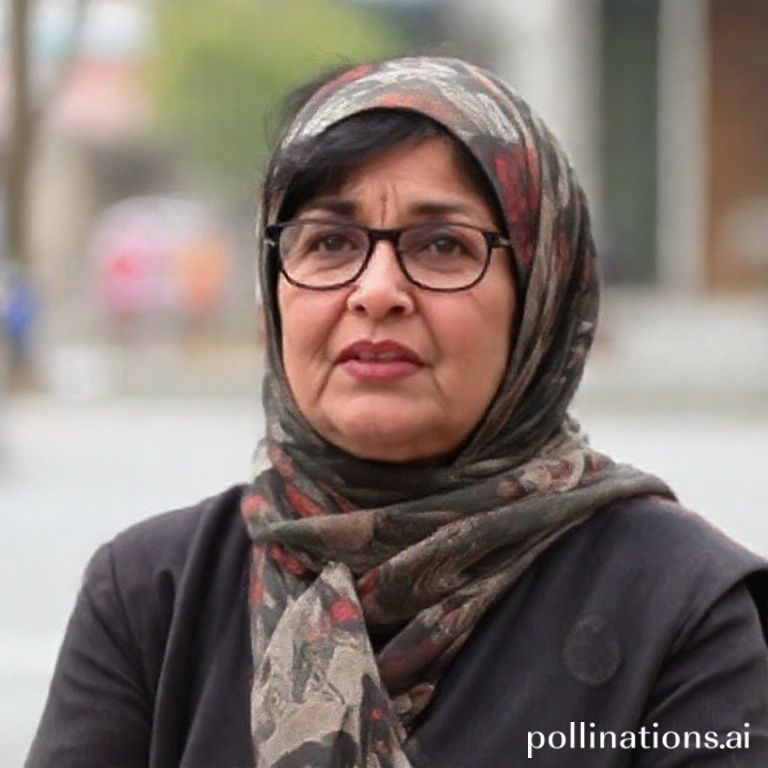
In a recent press interaction, former Jammu and Kashmir Chief Minister Mehbooba Mufti made headlines by confronting a journalist regarding language preferences. The incident occurred during a media briefing where Mufti was addressing various issues concerning the region. Her response to the journalist's question highlighted the ongoing debate about language and identity in Jammu and Kashmir.
Mufti, known for her strong stance on regional issues, was asked why she continued to speak in Kashmiri instead of opting for Urdu or English. The journalist's inquiry seemed to suggest that using a more widely understood language would facilitate better communication with a broader audience. However, Mufti's reaction was swift and pointed.
"Ask Stalin to speak in Urdu or English," she retorted, referencing the Chief Minister of Tamil Nadu, M.K. Stalin. This remark underscored her belief in the importance of regional languages and the cultural identity they represent. Mufti's defense of Kashmiri as a medium of communication reflects her commitment to preserving the linguistic heritage of the region.
The exchange sparked discussions on social media, with many users supporting Mufti's stance. They emphasized the significance of regional languages in maintaining cultural identity. Critics, however, argued that political leaders should prioritize accessibility and inclusivity in their communication.
Language and Identity
Language plays a crucial role in shaping identity. In Jammu and Kashmir, where multiple languages coexist, the choice of language can be a sensitive topic. For many, speaking in Kashmiri is not just about communication; it is about expressing their cultural roots and heritage. Mufti's insistence on using Kashmiri resonates with a significant portion of the population that values their linguistic identity.
The region has a rich tapestry of languages, including Urdu, Hindi, and English. Each language carries its own historical and cultural significance. However, Kashmiri holds a special place in the hearts of the locals. It is a language that embodies the essence of their experiences, traditions, and stories.
Political Implications
Mufti's remarks also carry political weight. As a leader of the People's Democratic Party (PDP), she has consistently advocated for the rights and identity of the people of Jammu and Kashmir. Her approach to language reflects a broader political strategy aimed at connecting with her constituents. By prioritizing Kashmiri, she reinforces her image as a leader who understands and values the local culture.
The political landscape in Jammu and Kashmir has been tumultuous, especially in recent years. The abrogation of Article 370 in 2019 altered the region's autonomy and sparked widespread protests. In this context, language becomes a tool for political expression. Leaders like Mufti use it to rally support and assert their commitment to regional issues.
Public Reaction
The public's reaction to Mufti's comments has been mixed. Supporters praise her for standing up for Kashmiri culture and language. They argue that political leaders should embrace their roots and communicate in a way that resonates with their constituents. This sentiment is particularly strong among younger generations who are increasingly aware of the importance of cultural preservation.
On the other hand, some critics believe that leaders should adapt to the changing dynamics of communication. They argue that using more widely understood languages could enhance dialogue and foster greater understanding among diverse communities. This perspective highlights the tension between cultural preservation and the need for effective communication in a globalized world.
Media's Role
The media plays a pivotal role in shaping public discourse around language and identity. Journalists often navigate complex cultural landscapes when reporting on regional issues. The choice of language in media coverage can influence perceptions and attitudes. In this case, the journalist's question reflects a broader trend of seeking clarity and accessibility in political communication.
However, the media must also recognize the significance of regional languages. By providing platforms for local voices, journalists can contribute to the preservation of cultural identities. This approach fosters a more inclusive dialogue that respects the diversity of languages spoken in the region.
Future of Kashmiri Language
The future of the Kashmiri language remains uncertain. While there is a growing movement to promote and preserve it, challenges persist. The influence of dominant languages like Urdu and English poses a threat to its survival. Educational institutions and government policies play a crucial role in supporting regional languages.
Efforts to revitalize Kashmiri include language courses, cultural programs, and community initiatives. These initiatives aim to engage younger generations and instill a sense of pride in their linguistic heritage. Leaders like Mufti can play a vital role in championing these efforts, ensuring that Kashmiri remains a vibrant part of the region's cultural landscape.
In summary, Mehbooba Mufti's recent remarks highlight the complex interplay between language, identity, and politics in Jammu and Kashmir. Her defense of Kashmiri resonates with many who value their cultural roots. As discussions around language continue, the region's linguistic diversity remains a vital aspect of its identity.
Source:

