Mahatma Jyotirao Phule: A Beacon of Social Reform in India
NewsMahatma Jyotirao Phule: A Beacon of Social Reform in India
Celebrating 200 Years of a Visionary's Legacy
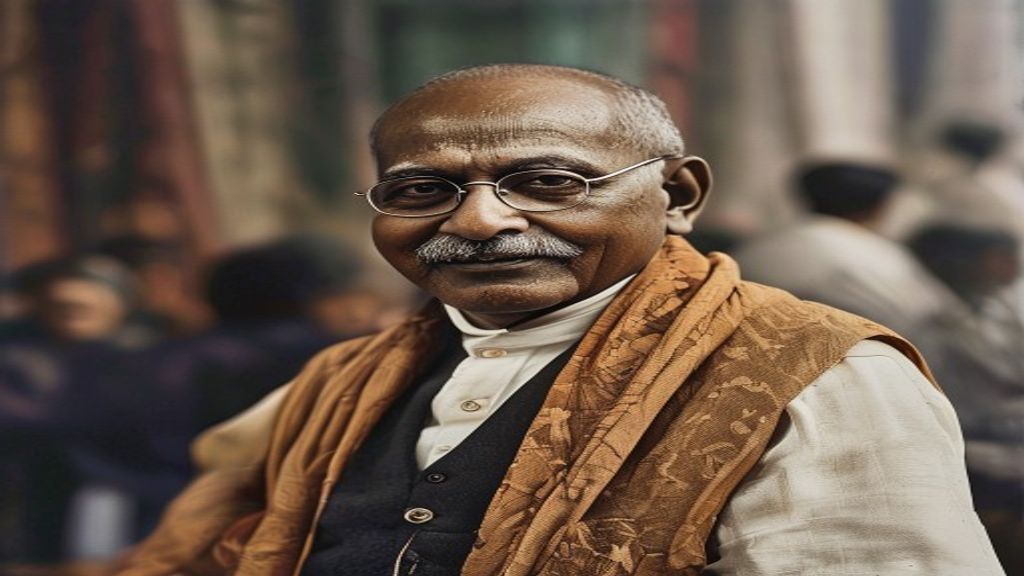
Today marks the commencement of the 200th birth anniversary celebrations of Mahatma Jyotirao Phule, a pivotal figure in India's social reform movement. Phule's contributions to education and social justice have left an indelible mark on the nation. His life and work continue to inspire generations, emphasizing the importance of equality and empowerment.
Early Life and Influences
Mahatma Jyotirao Phule was born on April 11, 1827, in Pune, Maharashtra. He belonged to a family of farmers and faced the challenges of caste discrimination from an early age. His experiences shaped his worldview and ignited his passion for social reform. Phule's education began in a traditional school, but he soon realized the limitations imposed by societal norms. He sought knowledge beyond the conventional curriculum, which fueled his desire to uplift the marginalized.
Phule's marriage to Savitribai, a woman who shared his vision, marked a significant turning point in his life. Together, they became a formidable duo in the fight for social justice. Savitribai played a crucial role in Phule's mission, supporting his initiatives and becoming a pioneer in women's education.
Championing Education for All
Phule recognized that education was the key to empowerment. In 1848, he established the first school for girls in Pune. This groundbreaking initiative challenged the prevailing norms that restricted women's access to education. Phule believed that educating girls would lead to societal transformation. His efforts laid the foundation for women's education in India, inspiring future generations to pursue knowledge.
Phule's commitment to education extended beyond gender. He advocated for the education of all marginalized communities, including the lower castes. He founded the Satyashodhak Samaj in 1873, an organization dedicated to promoting social equality and justice. The Samaj aimed to eradicate caste discrimination and empower the oppressed. Through this platform, Phule organized lectures, discussions, and educational programs to raise awareness about social issues.
Fighting for Social Justice
Phule's activism was not limited to education. He was a fierce critic of the caste system and the injustices it perpetuated. He believed that social reform was essential for India's progress. His writings, including "Gulamgiri" (Slavery), highlighted the plight of the oppressed and called for their liberation. Phule's work resonated with many, and he became a voice for the voiceless.
In addition to advocating for education and social justice, Phule also focused on women's rights. He challenged the patriarchal norms that confined women to domestic roles. Phule and Savitribai encouraged women to assert their rights and pursue education. They believed that empowered women could drive societal change.
Legacy of Mahatma Jyotirao Phule
Phule's legacy is profound and far-reaching. His vision of a just society continues to inspire social reformers and activists across India. The principles he championed—education, equality, and justice—remain relevant today. His work laid the groundwork for future movements advocating for the rights of marginalized communities.
Phule's contributions have been recognized in various ways. Educational institutions, parks, and statues commemorate his legacy. His ideas have influenced numerous leaders and movements, including the Dalit movement and women's rights activism. Phule's emphasis on education as a tool for empowerment resonates with contemporary efforts to promote inclusive education.
Celebrating Phule's 200th Birth Anniversary
As India celebrates the 200th birth anniversary of Mahatma Jyotirao Phule, it is essential to reflect on his contributions and their relevance in today's context. Various events and programs are being organized across the country to honor his legacy. Educational institutions are conducting seminars, workshops, and cultural programs to raise awareness about Phule's ideals.
These celebrations serve as a reminder of the ongoing struggle for social justice and equality. They encourage individuals to engage in discussions about caste discrimination, gender inequality, and the importance of education. By revisiting Phule's teachings, society can reaffirm its commitment to creating a more equitable world.
Phule's vision of a society free from discrimination and injustice is a goal worth striving for. His life exemplifies the power of education and activism in effecting change. As we commemorate his contributions, it is crucial to continue advocating for the rights of the marginalized and ensuring that education remains accessible to all.
Inspiring Future Generations
Mahatma Jyotirao Phule's legacy is not just a historical narrative; it is a call to action. His life story inspires individuals to challenge the status quo and work towards a more just society. The values he espoused—compassion, equality, and justice—are timeless and universal.
As we celebrate this significant milestone, let us draw inspiration from Phule's unwavering commitment to social reform. His vision can guide us in addressing contemporary issues and fostering a more inclusive society. By embracing his ideals, we can honor his memory and contribute to the ongoing struggle for justice and equality in India.
Source: