All New City Buses to Feature Low-Floor Design from October 2026
NewsAll New City Buses to Feature Low-Floor Design from October 2026
New regulations aim to improve accessibility for passengers nationwide
India, January 17, 2026, Saturday, 2026
India, October 12, 2023, Thursday, 2023
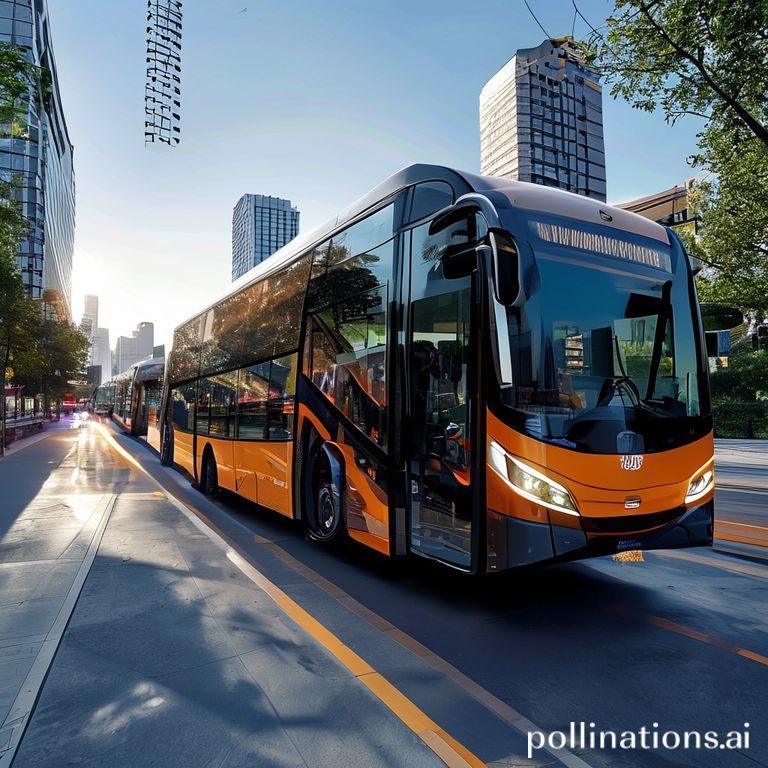
Starting in October 2026, a significant change will take place in the public transportation sector across India. All new intra-city public buses manufactured in the country will be required to have a low-floor design. This initiative is part of a broader effort to enhance accessibility for passengers, particularly those with mobility challenges.
The new regulation mandates that buses measuring 9 meters and above must have a floor height of 400 mm. This requirement aligns with the AIS-216 standards, which focus on improving safety and ease of boarding for all passengers. The decision comes as part of the government's commitment to making public transport more inclusive.
Enhancing Accessibility
The low-floor design is expected to make a significant difference for various groups of passengers. Elderly individuals, pregnant women, and people with disabilities often face challenges when boarding traditional buses. The low-floor buses will reduce the height difference between the bus and the ground, making it easier for these individuals to access public transport.
In addition to improving accessibility, the new buses will also feature wider doors and designated spaces for wheelchairs. These changes aim to create a more welcoming environment for all passengers. The government believes that by making public transport more accessible, it can encourage more people to use buses instead of private vehicles.
Safety Standards
The AIS-216 standards, which the new buses will adhere to, are designed to enhance safety for passengers. These standards include various safety features, such as improved braking systems and better visibility for drivers. The low-floor design also contributes to safety by making it easier for passengers to enter and exit the bus quickly.
The government has emphasized that safety is a top priority in this initiative. By ensuring that all new buses meet these standards, officials hope to reduce the number of accidents and injuries associated with public transport.
Environmental Considerations
In addition to improving accessibility and safety, the new low-floor buses are expected to be more environmentally friendly. Many of the buses manufactured under this regulation will be electric or hybrid models. This shift aligns with the government's broader goals of reducing carbon emissions and promoting sustainable transportation options.
Electric buses produce zero tailpipe emissions, contributing to cleaner air in urban areas. The government is investing in charging infrastructure to support the transition to electric public transport. This investment will ensure that the new low-floor buses can operate efficiently and sustainably.
Implementation Timeline
The implementation of this new regulation will occur in phases. Manufacturers will need to prepare for the transition by updating their production lines and training staff on the new standards. The government plans to work closely with bus manufacturers to ensure a smooth rollout.
By October 2026, all new intra-city buses must comply with the low-floor requirement. Existing buses will not be affected immediately, but the government encourages operators to upgrade their fleets over time. This gradual transition will allow for a more comprehensive implementation of the new standards.
Public Response
The announcement has received a mixed response from the public. Many passengers have expressed excitement about the upcoming changes. They believe that low-floor buses will make public transport more user-friendly and accessible.
However, some concerns have been raised regarding the cost of implementing these changes. Bus operators worry about the financial implications of transitioning to new models. The government has assured operators that it will provide support and incentives to ease the financial burden.
Training and Awareness
To ensure the successful implementation of the new low-floor buses, the government will also focus on training drivers and staff. Proper training will be essential for operating the new buses safely and efficiently.
Awareness campaigns will be launched to inform the public about the benefits of low-floor buses. These campaigns will highlight the importance of accessibility and encourage more people to use public transport.
Future Developments
As the deadline for the new regulation approaches, the government is exploring additional measures to enhance public transport. Future developments may include improved bus stops, better signage, and real-time tracking systems.
These enhancements aim to create a more integrated and efficient public transport system. By investing in infrastructure and technology, the government hopes to make public transport a more attractive option for commuters.
In summary, the introduction of low-floor buses in India marks a significant step towards improving public transport accessibility. With a focus on safety, environmental sustainability, and passenger comfort, the new regulations are set to transform the way people travel within cities. The government remains committed to ensuring that all citizens can benefit from an inclusive and efficient public transport system.
Source:

